
By Correspondent Peter Haule, Arusha
Tanzania is stepping up its push to use technology to modernise tax administration, improve taxpayer services and strengthen revenue collection as governments increasingly turn to digital tools to make their tax systems faster, more transparent and efficient.
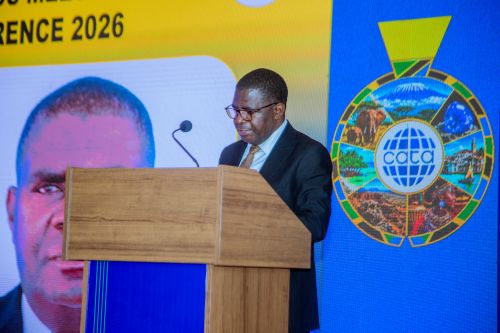
Deputy Finance Minister Mshamu Ali Munde said technology was transforming the way taxpayers interact with revenue authorities, creating opportunities for governments to improve service delivery, data management and tax compliance.
Munde was speaking at the opening of the 46th Commonwealth Association of Tax Administrators (CATA) Technical Conference in Arusha, where Vice-President Deogratius John Ndejembi was the guest of honour.
“The opportunity before us is to use technology to make tax administration simpler, faster, more transparent and more responsive to taxpayers’ needs,” Munde said.
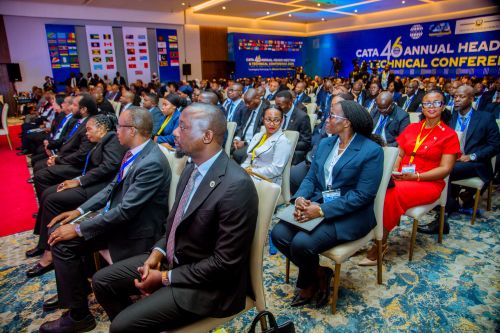
The conference, being held under the theme “Leveraging Technology for Efficient Revenue Collection,” has brought together commissioners-general, heads of revenue authorities and tax experts from Commonwealth countries to exchange experiences on technology-driven tax administration.
For Tanzania, greater digitalisation of tax administration could have implications beyond revenue collection. Efficient systems can potentially reduce the time and costs businesses spend complying with tax requirements while giving authorities better information to identify compliance gaps and manage revenues.
Tanzania seeks practical solutions
Munde said Tanzania was using the conference to learn from the practical experiences of other CATA member countries while sharing lessons from its own efforts to modernise tax and customs administration.
The country is particularly interested in technological solutions capable of improving taxpayers’ experience, reducing costs associated with tax compliance, strengthening the quality and use of data and increasing the operational efficiency of revenue authorities.
Munde said CATA’s value lay in transforming shared experiences among member countries into practical improvements that could be implemented by individual tax administrations.
But he cautioned that technological advancement should not come at the expense of the fundamental principles underpinning an effective tax system.
Fairness, integrity and taxpayers’ trust, he said, must remain central to tax administration even as revenue authorities increasingly embrace digital systems.
That balance is particularly important for businesses, which increasingly interact with tax authorities through electronic platforms for registration, filing, payments and other compliance requirements.
First for Tanzania
The Arusha gathering marks the first time Tanzania has hosted the CATA conference, which Munde described as an honour for the country and a sign of confidence from the association’s leadership and member tax authorities.
He commended the Tanzania Revenue Authority (TRA), CATA Secretariat and other stakeholders for organising the conference.
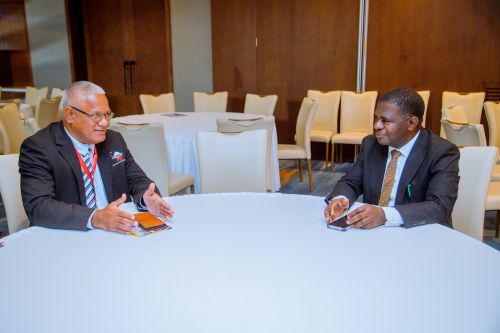
Among those attending are CATA President Datuk Dr Abu Tariq Jamaluddin; CATA Chairman and Mauritius Revenue Authority Director-General Sudhamo Lal; CATA Executive Director Dr Esther Koisin; and TRA Commissioner-General Yusuph Juma Mwenda.
The gathering provides revenue authorities with a platform to discuss how technology can be deployed not simply to collect more revenue, but also to make tax administration more efficient and taxpayer-friendly.
For Tanzania, the discussions come as the government seeks to strengthen domestic revenue mobilisation while improving the environment in which businesses and individual taxpayers interact with the tax system.
The challenge will be translating lessons from Arusha into digital systems that make compliance easier for taxpayers while allowing the government to collect revenues more efficiently. As tax administrations become increasingly digital, the effectiveness of technology will ultimately be judged not only by how much additional revenue it generates, but also by whether it reduces compliance burdens, improves transparency and builds greater trust between taxpayers and the state.