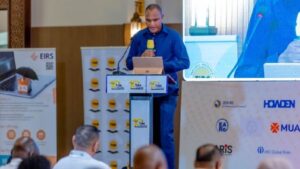
C-CEOs Forum brings together leaders of more than 300 public institutions as government pushes for higher returns from TSh92.28 trillion investment portfolio
By A Correspondent, Arusha
Tanzania is stepping up pressure on state-owned enterprises to deliver stronger commercial and economic returns, as the government seeks to turn its expanding TSh92.28 trillion public investment portfolio into a major driver of the National Development Vision 2050 (Dire 2050).
More than 700 participants, including board chairpersons and chief executives from over 300 public institutions, private-sector representatives and other stakeholders, are expected in Arusha for the C-CEOs Forum 2026 from September 28 to 30.
Organised by the Office of the Treasury Registrar (OTR), the meeting will focus on improving productivity, financial resilience and competitiveness of public enterprises while aligning their strategies with Vision 2050.
It will be the fourth C-CEOs Forum since the platform was established in 2023.
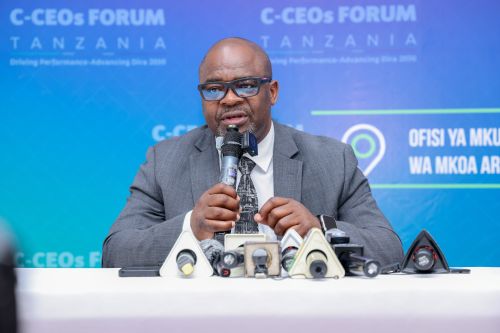
Treasury Registrar Nehemiah Mchechu (pictured above) said implementation of Vision 2050 requires a fundamental shift in how public enterprises measure their performance – moving beyond simply running institutions towards delivering measurable economic results.
“We want highly efficient, competitive and resilient public enterprises in implementing Vision 2050,” Mchechu said.
The challenge is becoming increasingly important as the value of government investments in public institutions and companies expands.
According to Mchechu, the portfolio increased from TSh67.95 trillion in 2020/21 to TSh92.28 trillion in 2024/25, representing growth of 35.8 per cent.

That expansion, he said, increases the responsibility of boards and management teams to ensure public capital generates greater value for the economy.
Beyond dividends
Mchechu said the performance of public enterprises should not be measured solely by the dividends they remit to the government.
Instead, their contribution should include productivity, quality of services, efficient use of resources, financial sustainability, innovation, technology adoption, competitiveness and their wider impact on economic activity.
That approach would require enterprises to become more responsive to technological change, evolving economic conditions and citizens’ expectations.
“The C-CEOs Forum aims to take a broader look at how resources and investments can be transformed into stronger performance and higher-value results,” Mchechu said.
Non-tax revenue generated through public institutions has also increased substantially.
According to OTR, collections rose from TSh637.7 billion in 2020/21 to TSh1.327 trillion in 2025/26, an increase of 108.3 per cent.
Mchechu said the growth demonstrates the potential of public enterprises but argued that discussions about their performance should extend beyond the amount of money transferred to the Treasury.
Their wider contribution includes employment, production, public services, innovation and competitiveness, he said.
Achieving those outcomes will require stronger strategic leadership and corporate governance, greater adoption of digital technologies and artificial intelligence, sustainable financing models and deeper collaboration between the public and private sectors.
Public enterprises will also need to invest in human capital and future skills to respond to technological, economic and environmental change while strengthening environmental, social and governance practices.
Arusha expects business boost
Arusha Regional Commissioner CPA Amos Makalla said bringing public-sector leaders together would provide an opportunity to build a common understanding of Dira 2050 priorities, exchange experience and strengthen cooperation among institutions.
Speaking to journalists on September 25, Makalla said public enterprises should align their investment and operational plans with national development priorities so that government resources produce greater economic and social returns.
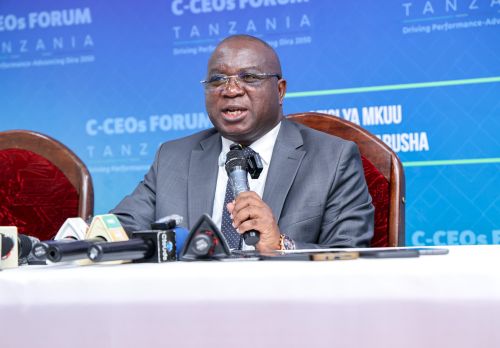
“We want the benefits of this meeting to be visible beyond the conference halls by creating opportunities for businesses, service providers and the people of Arusha,” he said.
The arrival of more than 700 delegates is expected to generate additional activity for the city’s hotels, restaurants, transport operators, tourism businesses and other service providers.
Makalla said Arusha’s experience in hosting major national and international meetings places the region in a strong position to host the three-day gathering.
For OTR, however, the bigger test will come after delegates leave Arusha. With more than TSh92 trillion of public investment under government oversight, the central question is whether Tanzania’s state enterprises can translate their growing asset base into stronger businesses, better public services and measurable economic returns as the country begins implementing Dira 2050.