By Correspondents Farida Ramadhani and Saidina Msangi, Dodoma
Tanzania’s ambition to transform agriculture into a modern, high-value economic engine will depend less on increasing production alone and more on how effectively the country aligns finance, industry, trade and research to support the productive sectors.
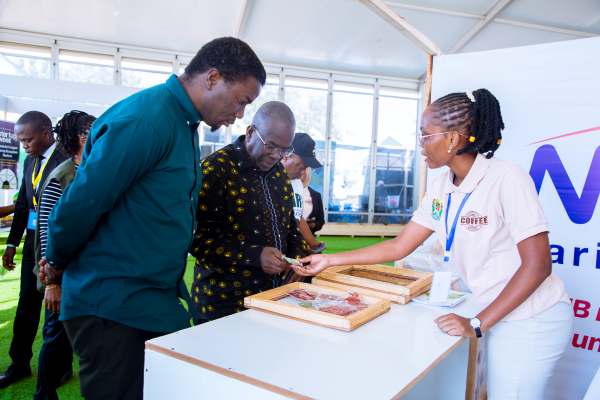
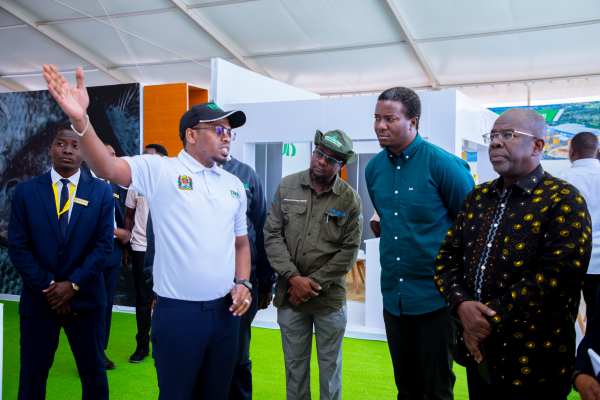
That was the central message delivered by Finance Minister Ambassador Khamis Mussa Omar during a visit to the 33rd Nane Nane International Agricultural Exhibition in Dodoma, where he urged greater collaboration across sectors to accelerate agricultural, livestock and fisheries development and strengthen their contribution to national economic growth.
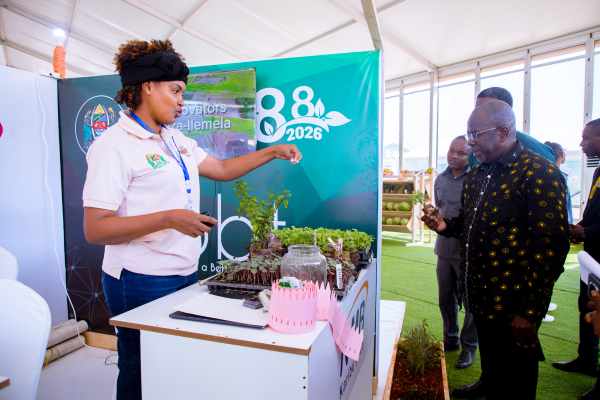
Speaking after touring exhibition stands showcasing innovations in agriculture, livestock and fisheries, the minister said sustainable economic transformation requires coordinated action rather than isolated sectoral initiatives.
Beyond production
While agriculture remains Tanzania’s largest employer and a major contributor to the economy, policymakers are increasingly shifting attention towards building integrated value chains capable of generating higher incomes, expanding exports and creating industrial jobs.
Ambassador Omar argued that agriculture, livestock, fisheries, manufacturing, trade and financial institutions should operate as interconnected components of one economic ecosystem.
“We must adopt a shared vision that promotes higher production, adds value through processing and ensures every supporting sector works together for the benefit of citizens and the national economy,” he said.
He added that financial institutions have a critical responsibility to channel investment towards sectors identified as national development priorities, enabling faster economic transformation.
Finance as a catalyst for agribusiness
The minister’s remarks reflect the government’s broader strategy under Dira 2050, which places agribusiness, industrialisation and private-sector investment at the centre of Tanzania’s long-term development agenda.
Expanding access to affordable finance has become increasingly important as the country seeks to commercialise agriculture, modernise livestock production and unlock the economic potential of fisheries.
Without adequate financing, investments in mechanisation, irrigation, processing facilities and logistics are unlikely to achieve their full impact.
The minister therefore emphasised that stronger collaboration between government and financial institutions is essential to accelerate investment across the productive economy.
Focus on value addition
Beyond increasing agricultural output, Ambassador Omar stressed the importance of processing locally produced commodities before they reach domestic or export markets.
Value addition has become one of Tanzania’s key economic priorities, enabling producers to capture higher returns while creating employment in manufacturing, packaging, transport and logistics.
He noted that stronger integration between farming, processing industries and markets would increase productivity while improving the competitiveness of Tanzanian products.
Markets remain the missing link
The minister also challenged entrepreneurs to look beyond production and invest more aggressively in branding, marketing and market expansion.
Although he commended businesses exhibiting high-quality products at the Nane Nane exhibition, he observed that many locally manufactured goods still face limited market visibility both domestically and internationally.
“Alongside increasing production, we must invest more in product promotion, market development and improving the business environment so that Tanzanian products become widely recognised and readily available in different markets,” he said.
The emphasis reflects a growing recognition that competitiveness increasingly depends not only on production capacity but also on market access, product positioning and commercial networks.
Mechanisation under scrutiny
The Finance Minister also disclosed that the government is monitoring the utilisation of tractors supplied to farmers to ensure the equipment is being deployed for its intended purpose.
The move forms part of wider efforts to maximise returns on public investment in agricultural mechanisation while improving productivity across the farming sector.
Mechanisation remains a central pillar of Tanzania’s agricultural modernisation strategy as policymakers seek to reduce production costs, improve efficiency and increase output.
Research drives transformation
Ambassador Omar further highlighted research and innovation as indispensable components of long-term agricultural transformation.
He pointed to the Tanzania Livestock Research Institute (TALIRI) as an example of the institutions that require sustained investment to generate technologies capable of improving livestock productivity and supporting commercial production.
Advances in breeding, animal health, feed technologies and climate resilience, he noted, will be essential if Tanzania is to build a competitive livestock industry.
Nane Nane showcases economic opportunities
The minister praised the quality of exhibits and innovations displayed at this year’s exhibition, describing them as evidence of the progress being made across Tanzania’s productive sectors.
He said the event had successfully demonstrated both the investment opportunities available and the government’s commitment to supporting agricultural transformation through partnerships with the private sector and development stakeholders.
Held at the Dr John Samuel Malecela Grounds in Nzuguni, Dodoma, the 33rd Nane Nane International Agricultural Exhibition is taking place under the theme: “Know Your Market, Increase Productivity to Deliver Vision 2050.” As Tanzania works towards building a more diversified and industrialised economy, the message emerging from this year’s exhibition is clear: the future of agriculture will depend not only on growing more, but on financing better, processing locally, investing in innovation and connecting producers to larger markets.