By Correspondent Peter Haukle, Arusha
The Tanzanian government has directed the Public Procurement Regulatory Authority (PPRA) to strengthen oversight of public procurement to ensure taxpayers receive maximum value for money, while accelerating the adoption of digital systems to improve transparency, accountability and efficiency.
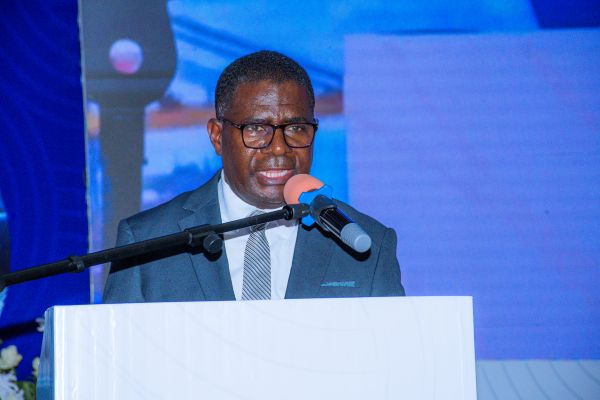
Closing the 10th Public Procurement Conference 2026 in Arusha, Deputy Minister for Finance, Engineer Mshamu Ali Munde, said robust procurement governance remains central to safeguarding public resources and supporting the country’s broader economic development agenda.
He instructed PPRA’s Board of Directors and management to uphold the highest standards of professionalism, integrity and accountability in overseeing procurement processes, ensuring that all public purchases comply fully with the country’s procurement laws and regulations.
“PPRA must continue strengthening oversight of the public procurement system by ensuring full compliance with the law, regulations and established procedures, while advancing the use of digital technology to improve transparency, accountability, competition and efficiency in the use of public resources,” Munde said.
Digital procurement at the centre
A key pillar of the government’s strategy is the wider use of the National e-Procurement System (NeST), which the Deputy Minister said should be utilised throughout the entire procurement cycle.
He directed all procuring entities to use the electronic platform from supplier registration and tender processing to contract management and payments, in accordance with the Public Procurement Act.
The move reflects Tanzania’s broader digital transformation agenda, with authorities increasingly relying on technology to reduce administrative inefficiencies, improve oversight and minimise opportunities for corruption in public spending.

Greater opportunities for local businesses
Munde also reiterated the government’s commitment to strengthening domestic enterprise through procurement policy.
He instructed procuring entities to strictly implement legal provisions that give preference to indigenous contractors and locally owned companies, including ensuring that all tenders valued at up to TSh50 billion are reserved for Tanzanian firms.
The policy is intended to retain a larger share of government spending within the domestic economy, helping local companies expand capacity, create employment and participate more actively in national development projects.
Expanding inclusive procurement
Beyond supporting local businesses, the government is also seeking to broaden participation by disadvantaged groups.
The Deputy Minister reminded procuring entities to allocate 30 percent of their annual procurement budgets to businesses owned by youth, women, older persons and people with disabilities.
He further emphasised that these groups should receive adequate capacity-building support and timely payment for completed contracts, measures considered essential for enabling meaningful participation rather than simply meeting statutory targets.
Sustainability enters procurement policy
The government is also embedding sustainability into procurement decisions.
Munde urged institutions to adopt sustainable procurement practices by evaluating products over their entire life cycle rather than focusing solely on initial purchase prices.
He said procurement decisions should also promote efficient resource utilisation, environmental conservation and climate change mitigation, reflecting the growing emphasis on environmental, social and governance (ESG) principles in public sector spending.
PPRA pledges implementation
PPRA Director General Dennis Simba pledged that the Authority would fully implement the Deputy Minister’s directives and continue strengthening the country’s procurement framework.
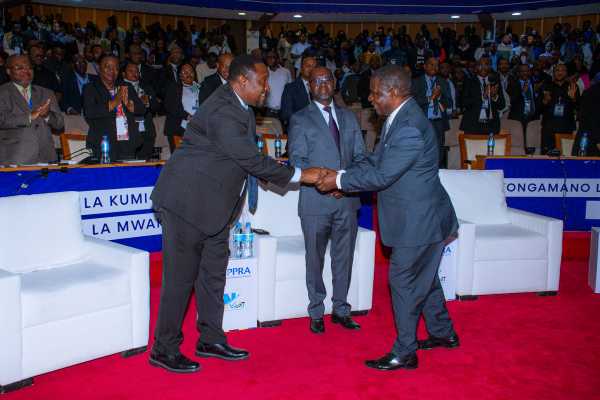
He also called on participants at the conference to return to their respective institutions as ambassadors of procurement reforms by translating the knowledge and resolutions from the forum into practical improvements in service delivery.
The conference brought together procurement professionals, policymakers, regulators and other stakeholders to discuss reforms aimed at making Tanzania’s public procurement system more transparent, competitive and efficient. The government’s latest directives reinforce procurement’s growing role not only as a compliance function but also as a strategic instrument for supporting industrial development, empowering local enterprises, promoting digital transformation and ensuring that every shilling of public expenditure delivers measurable economic value.