By Peter Nyanje
Tanzania is expanding the economic value of its national parks beyond traditional wildlife tourism by positioning protected areas as centres for scientific research, innovation and international academic partnerships.
Lake Manyara National Park is emerging as one of the country’s leading examples of this strategy, attracting global researchers who are using its diverse ecosystems as a natural laboratory to study climate change, biodiversity and conservation management.
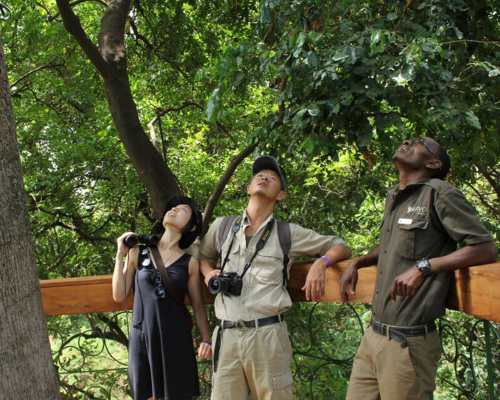
The latest milestone came with the arrival of a 37-member delegation from Seoul National University in South Korea, comprising researchers and students conducting advanced field studies on wildlife ecology, vegetation patterns and bird behaviour.
The growing interest from international academic institutions signals a new opportunity for Tanzania to develop a knowledge-driven conservation economy, where national parks generate value not only through tourism revenues but also through research partnerships, skills development and international collaboration.
From safari destination to research economy
For decades, Tanzania’s national parks have been recognised primarily as destinations for wildlife tourism, attracting millions of visitors drawn by iconic attractions such as the Serengeti migration, Mount Kilimanjaro and Ngorongoro Crater.
However, conservation authorities are increasingly promoting protected areas as platforms for scientific discovery and innovation.
Lake Manyara National Park provides a unique environment for this transformation because of its exceptional ecological diversity within a relatively small area.
Covering approximately 330 square kilometres, the park contains multiple ecosystems, including groundwater forests, acacia woodlands, savannah plains, alkaline lake environments and steep escarpments.
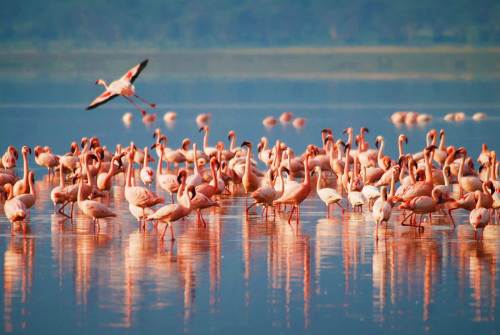
This ecological concentration allows researchers to study interactions between wildlife, vegetation, water systems and climate patterns in a single landscape.
Professor Chang-Yong Choi of Seoul National University described Lake Manyara as a rare research environment where different ecosystems function together within a compact geographical area.
The research programme focuses on understanding how ecosystems adapt to environmental changes and how conservation strategies can improve long-term resilience.
Scientific partnerships create new opportunities
The partnership between Tanzania and South Korea reflects a broader trend of using tourism and conservation diplomacy to create new economic opportunities.
In July 2026, the Tanzania Tourist Board (TTB) conducted a destination promotion and investment roadshow in South Korea, targeting not only holidaymakers but also investors, universities and research institutions.
The increased engagement with foreign academic institutions creates opportunities in areas such as:
- Conservation research;
- Environmental technology;
- Academic tourism;
- Training programmes;
- Data-driven wildlife management; and
- International investment partnerships.
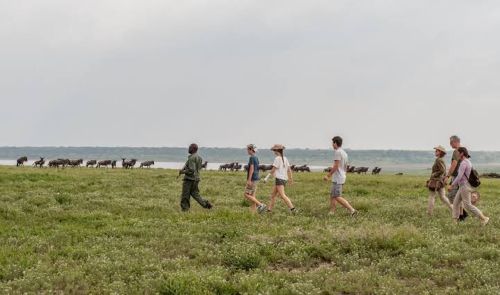
Senior Conservation Officer at Lake Manyara National Park, Abdul Sharif, said the visiting students were gaining practical knowledge about Tanzania’s conservation model, including how authorities manage protected areas while supporting tourism activities.
The exchange demonstrates how conservation assets can become platforms for international cooperation beyond conventional tourism marketing.
Conservation data supporting future decisions
Research conducted in Tanzania’s protected areas contributes directly to improving conservation planning.
Scientific studies help authorities understand wildlife behaviour, ecosystem changes and the impact of climate pressures.
The data generated from research programmes supports decision-making by institutions such as the Tanzania National Parks Authority (TANAPA), particularly in areas such as habitat management, tourism planning and biodiversity protection.
As climate change increasingly affects ecosystems globally, countries with strong scientific knowledge systems will have a competitive advantage in managing natural resources sustainably.
Building Tanzania’s human capital
The expansion of research partnerships also supports skills development among Tanzanians.
Domestic institutions are increasingly using conservation areas as training grounds for future professionals in wildlife management, tourism, hospitality and environmental science.
Organisations such as the Udzungwa Mountains College Trust Organization (UMCTO) train Tanzanian students in areas including safari guiding, wildlife identification and hospitality management.
By linking local training institutions with international research networks, Tanzania is strengthening the quality of its workforce while creating employment opportunities in the conservation and tourism sectors.
The business potential of conservation
The evolution of national parks into research and innovation hubs represents a broader shift in how Tanzania views its natural resources.
Beyond attracting tourists, ecosystems such as Lake Manyara can generate economic value through scientific partnerships, international programmes, specialised tourism products and knowledge exchange.
The global demand for biodiversity research and climate solutions is creating new markets for countries with unique ecosystems.
Tanzania’s advantage lies in its combination of globally recognised landscapes, rich biodiversity and established conservation institutions.
As international universities, investors and researchers seek locations for environmental studies, Tanzania is positioning its protected areas as strategic assets in the global knowledge economy. Lake Manyara’s transformation illustrates a new era for conservation – where protecting nature is not only about preserving wildlife, but also about creating opportunities for research, investment and sustainable economic growth.