By Correspondent John Mapepele, Geneva
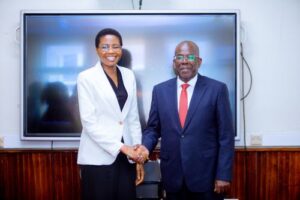
The Minister for Health, Mohamed Mchengerwa, has led Tanzania’s delegation to the 79th World Health Assembly (WHA79), where global leaders are debating the future of healthcare financing, digital health systems and climate-related health risks amid mounting pressure on health systems worldwide.
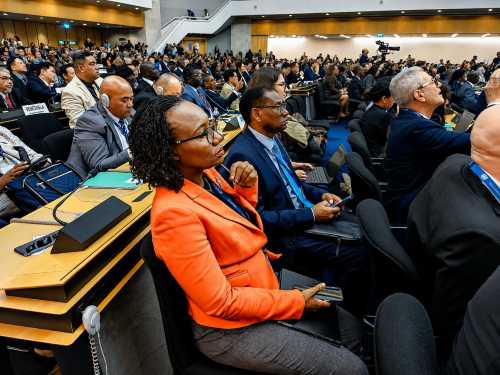
The high-level summit, convened by the World Health Organization in Geneva, Switzerland, officially opened on May 18 and has brought together delegates from more than 180 countries to shape global health policy and priorities.
The assembly was officially opened by Tedros Adhanom Ghebreyesus, Director-General of the WHO.
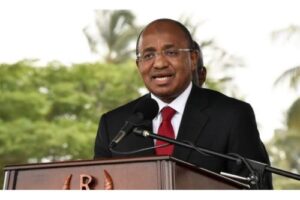
Speaking during the opening session, Minister Mchengerwa said this year’s assembly is taking place at a critical moment as countries face growing healthcare financing pressures, rising non-communicable diseases, climate-related health challenges and increasing demand for universal health coverage.
“The 79th World Health Assembly is discussing major reforms aimed at strengthening health systems, expanding universal healthcare, accelerating digital transformation and improving preparedness against future health emergencies,” Mchengerwa said.
According to the minister, key discussions at WHA79 are centered on Universal Health Coverage (UHC), sustainable domestic health financing, digital health systems, mental health, climate change and disease control strategies.
The discussions come as many developing countries, including Tanzania, continue pursuing reforms aimed at reducing dependence on donor-funded health systems while expanding access to affordable healthcare services.
Healthcare financing has emerged as one of the most significant topics at the assembly, with member states and civil society organisations calling for country-led financing systems capable of supporting resilient and inclusive health sectors.
Mental health has also become a growing priority following the 2025 United Nations High-Level Meeting on Non-Communicable Diseases and Mental Health, with countries now under pressure to translate global commitments into national healthcare strategies.
Climate change and health security are also featuring prominently in the discussions, particularly as rising temperatures, disease outbreaks and environmental degradation increasingly affect healthcare systems globally.
WHO is expected to launch a new global advocacy initiative linked to preparations for the upcoming COP31 climate summit.
The assembly is also reviewing progress on major global disease programmes, including malaria elimination initiatives, the Immunisation Agenda 2030 and strategies aimed at ending tuberculosis (TB).
For Tanzania, the meeting comes at a time when the government is intensifying investment in healthcare infrastructure, digital systems, universal health insurance reforms and pharmaceutical supply chains as part of broader national development priorities.
Analysts say participation in global health policy forums such as WHA79 gives Tanzania an opportunity to strengthen international partnerships, mobilise technical support and align its healthcare reforms with emerging global standards.
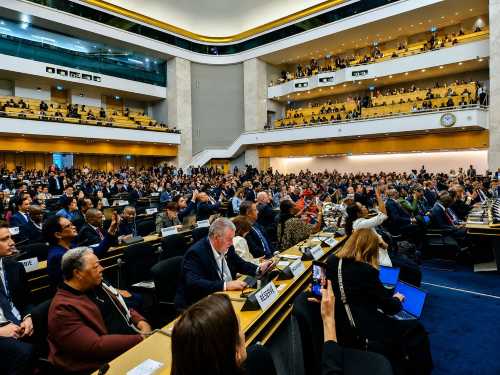
The Tanzanian delegation includes Abdala Possi, Permanent Representative of Tanzania to the United Nations Office in Geneva, Parliamentary Health Committee Chairperson Johannes Lukumay, Permanent Secretary Dr. Seif Shekalaghe, Chief Medical Officer Dr. Grace Magembe and senior officials from the Ministry of Health. Tanzania is expected to deliver several presentations during the summit while also holding bilateral meetings with international health stakeholders and development partners on the sidelines of the assembly.