By Costantine Muganyizi
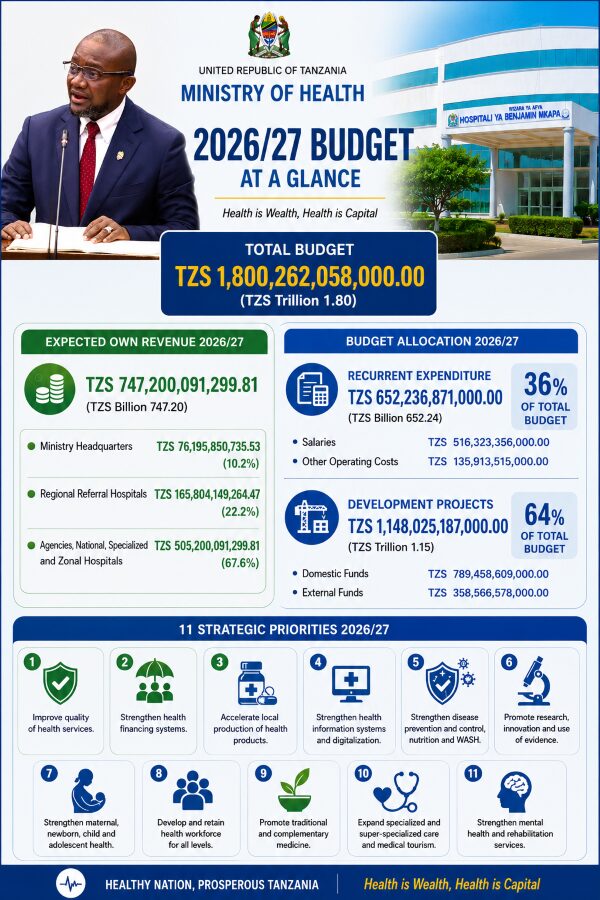
Tanzania’s proposed TSh1.8 trillion health budget for 2026/27 is far more than a routine government spending plan.
It is an economic, industrial and social transformation blueprint that signals a major shift in how the country views healthcare – not simply as a public service, but as a strategic investment capable of driving productivity, industrialization, regional competitiveness and long-term national development under Dira 2050.
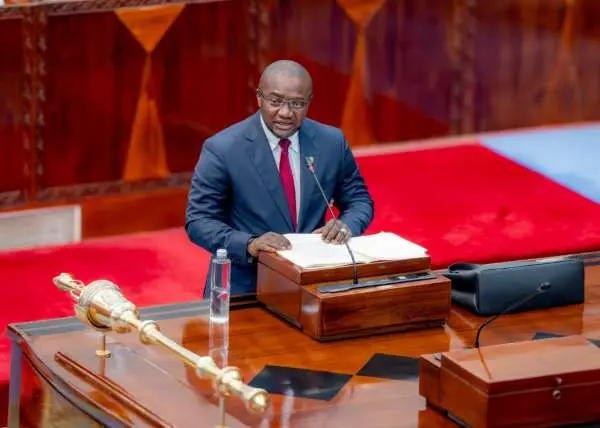
Presented in Parliament on May 11, 2026, by Health Minister Mohamed Mchengerwa, the budget reflects a growing realisation within government that a modern economy cannot be built without a healthy population, strong healthcare infrastructure, reliable pharmaceutical systems and advanced medical services.
For ordinary Tanzanians, businesses, investors and healthcare stakeholders, the implications of the budget are both immediate and long term.
Health as a national economic asset
One of the clearest messages from the budget is that healthcare is now being treated as an economic growth sector. Throughout the speech, the government repeatedly emphasised the philosophy that “Afya ni Mali na Afya ni Mtaji” – Health is Wealth and Capital.
This approach marks an important policy evolution. Traditionally, healthcare spending has often been viewed largely as a social expenditure. However, the new strategy increasingly positions the sector as a productivity engine capable of improving labour efficiency, reducing poverty, attracting investment and supporting industrial growth.
For Tanzanians, this means healthcare improvements are no longer only about hospitals and medicines; they are increasingly linked to jobs, economic opportunities, technology, research and regional competitiveness.
Universal Health Insurance could be a game changer
Perhaps the most transformative aspect of the budget is implementation of the Universal Health Insurance (UHI) programme.
For decades, many families have faced devastating financial pressure from medical bills, especially when confronted with chronic diseases, surgeries or specialised treatment. The new system seeks to reduce that burden by expanding insurance access across the population, including vulnerable households.
If successfully implemented, the programme could significantly reduce out-of-pocket healthcare spending, improve treatment-seeking behavior and protect low-income families from falling deeper into poverty because of illness.
For employers and the private sector, wider insurance coverage may also lead to a healthier workforce, fewer productivity losses and lower long-term healthcare risks. However, analysts say the success of the programme will depend heavily on sustainable financing, efficient administration and quality improvement in healthcare facilities.
Medical Tourism: Tanzania’s emerging foreign exchange earner
Another striking aspect of the budget is the aggressive push toward medical tourism. For years, many Tanzanians travelled abroad seeking specialized treatment, leading to substantial foreign exchange outflows.
Now, the government wants to reverse that trend while simultaneously attracting patients from neighboring countries.
The ministry revealed that more than 26,000 foreign patients have already sought treatment in Tanzania during the Sixth Phase Government period.
This reflects growing regional confidence in the country’s improving healthcare capacity, particularly in specialized services such as kidney transplants, heart procedures, cancer care and neurosurgery. For the economy, medical tourism represents a potentially lucrative new growth area.
Foreign patients do not only spend money on treatment. They also generate demand for hotels, transport, food services, insurance, pharmaceuticals and tourism-related activities.
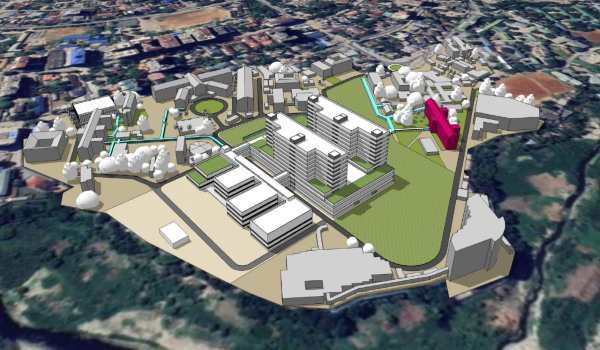
The planned construction of the new Muhimbili National Hospital (MNH) complex is therefore not merely a healthcare project. It is also an economic infrastructure investment designed to position Tanzania as a regional healthcare and investment hub.
The government believes the mega-project will help attract global healthcare partnerships, international specialists and high-value medical investments.
Pharmaceutical industrialisation gains momentum
One of the strongest business and investment messages in the budget concerns local pharmaceutical manufacturing.
Tanzania currently imports a substantial portion of its medicines and medical supplies, exposing the country to foreign exchange pressures and supply chain vulnerabilities.
The government now aims to achieve 80 percent self-sufficiency in health products by 2030. For investors, this creates significant opportunities in:
- Pharmaceutical manufacturing
- Medical equipment production
- Packaging industries
- Research laboratories
- Logistics and supply chains
- Biotechnology
The government’s decision to direct the Medical Stores Department (MSD) to prioritise locally manufactured medicines could become a major catalyst for domestic industrial growth.
The strategy also aligns closely with broader industrialization ambitions under Dira 2050 by promoting value addition, import substitution and job creation.
Digital health and AI could improve efficiency
The budget also reveals an ambitious push toward digital healthcare systems and artificial intelligence (AI) integration.
The ministry plans to strengthen interoperability between hospitals, expand telemedicine services and reduce dependence on paper-based systems. For patients, this could eventually mean:
- Faster referrals
- Reduced waiting times
- Better record management
- Improved treatment coordination
- Greater access to specialists remotely
For the economy, digitalisation may help reduce inefficiencies, lower administrative costs and improve health data management for planning and policymaking.
The expansion of telemedicine is also particularly important for rural and underserved areas where specialist doctors remain limited.
Specialized healthcare expansion reduces foreign referrals
The government’s investments in advanced diagnostic equipment and super-specialised services could save Tanzania billions of shillings previously spent on overseas treatment.
Already, officials say advanced local procedures such as kidney transplants, IVF and cancer therapies have saved approximately TSh 3.67 billion that would otherwise have been spent abroad.
This represents both economic savings and improved convenience for patients and families.
The expansion of specialised services may also gradually improve Tanzania’s reputation within the East African healthcare market.
Challenges remain
Despite the optimism surrounding the budget, several challenges remain.
Non-communicable diseases such as diabetes, hypertension and cancer are rising rapidly, with annual treatment costs increasing from TSh 1.3 trillion to TSh 1.8 trillion within just one year.
Healthcare demand is also growing faster than population-serving infrastructure in some areas. Questions will likely persist around:
- Sustainable financing
- Drug availability
- Human resource retention
- Rural service delivery
- Insurance affordability
- Technology implementation capacity
Successful execution will therefore be critical.
A strategic shift in national development thinking
Ultimately, the 2026/27 health budget reflects a broader transformation in national development thinking. Healthcare is no longer being framed solely as a welfare issue.
Instead, it is increasingly viewed as:
- A productivity driver
- A strategic industry
- A regional investment opportunity
- A pillar of national competitiveness
- A key component of economic resilience
If implemented effectively, the reforms and investments outlined in the budget could significantly improve quality of life for Tanzanians while simultaneously strengthening the country’s industrial, investment and economic landscape over the coming decades.