By Business Insider Reporter
East African Community (EAC) member states are preparing to launch a renewed regional campaign to safeguard Lake Victoria, as governments and development partners intensify efforts to protect one of Africa’s most strategic economic and environmental assets.
The inaugural Lake Victoria Day celebrations, scheduled to take place in Mwanza, Tanzania from May 18 to 21, are expected to bring together ministers, environmental experts, researchers, private sector investors and civil society leaders from across the region to address mounting ecological and economic pressures facing the lake basin.
Organised by the Lake Victoria Basin Commission in partnership with the Government of Tanzania, the summit reflects growing recognition that the future of East Africa’s blue economy increasingly depends on the sustainability of the lake, which supports millions of livelihoods across Tanzania, Kenya and Uganda.
Held under the theme “Shared Waters, Shared Future: Uniting for a Sustainable Lake Victoria Basin,” the event is expected to focus on fisheries management, climate resilience, pollution control, renewable energy, waste management and regional water governance.
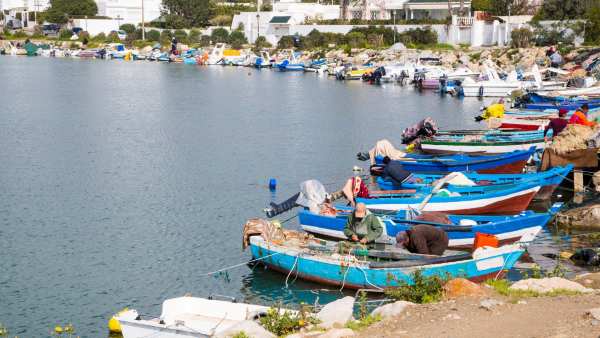
For East Africa, the importance of Lake Victoria extends far beyond environmental conservation. The lake remains a major driver of regional trade, fishing, transport, agriculture and tourism, while also serving as a critical freshwater source for rapidly expanding urban populations.
However, the basin faces increasing pressure from industrial pollution, poor waste disposal systems, declining fish stocks, invasive weeds and climate-related disruptions that continue to threaten both economic productivity and ecological stability.
Regional policymakers now see environmental restoration not only as a conservation issue, but also as an economic imperative tied to food security, public health, cross-border trade and long-term investment sustainability.
The Mwanza summit will also showcase how East African governments are attempting to position the lake at the centre of the region’s emerging blue economy agenda.
Exhibitions and innovation fairs planned during the four-day event will highlight technologies and business models in fisheries, environmental management, renewable energy and sustainable agriculture. Particular emphasis will be placed on youth- and women-led enterprises involved in green innovation and circular economy solutions.
Community-led clean-up campaigns and tree-planting activities are also expected to take place simultaneously across riparian regions in Tanzania, Kenya and Uganda as authorities seek to strengthen public participation in environmental stewardship.
One of the most significant outcomes expected from the summit is the launch of two regional governance tools aimed at improving basin management and investment planning.
The first is the Lake Victoria Basin Water Information System, a shared digital platform designed to support real-time environmental monitoring, hydrological data management and evidence-based decision-making among partner states.
The second is the State of the Basin Report, expected to provide one of the most comprehensive assessments yet of the lake’s ecological condition, climate vulnerabilities, water resources and socio-economic trends.
Analysts say these tools could improve regional coordination and strengthen investor confidence in sectors linked to the lake economy, particularly fisheries, logistics, tourism and renewable energy.
The summit will culminate in a high-level ministerial session bringing together officials responsible for environment, fisheries, maritime affairs, water and East African affairs from across the bloc.
Delegates are expected to adopt joint recommendations and sign a ministerial communiqué reaffirming regional commitment to sustainable management of the basin.
The establishment of Lake Victoria Day was approved during the 23rd Ordinary Meeting of the Sectoral Council on the Lake Victoria Basin, with member states agreeing to institutionalise an annual platform dedicated to environmental protection and sustainable economic development around the lake. The celebrations will rotate annually between Tanzania, Kenya and Uganda as East Africa seeks to deepen regional cooperation around one of its most valuable shared natural resources.