

By Business Insider Reporter
Tanzania is stepping up efforts to position itself as one of Africa’s leading medical and wellness destinations by 2050, as the government rolls out strategies aimed at attracting more international patients and boosting investment in specialized healthcare services.
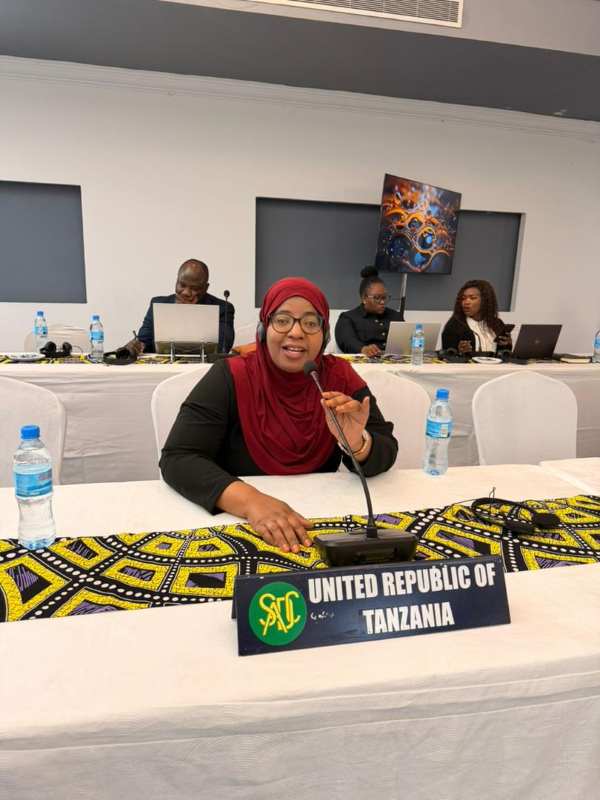
Speaking in an exclusive interview, the National Medical Tourism Coordinator at the Ministry of Health, Dr. Asha Mahita, (pictured below) said the country is increasingly gaining recognition as a regional healthcare destination, driven by improvements in specialized treatment, affordability, and growing private sector participation.
According to Dr. Mahita, medical tourism has emerged as an important pillar of Tanzania’s economic diversification agenda, combining healthcare services with hospitality and tourism experiences to generate foreign exchange while strengthening the domestic health system.
“Medical tourism is not just about treating patients. It is about building a globally competitive industry that benefits the entire health system,” she told Business Insider..
The country has already recorded encouraging progress. Between 2022 and 2025, Tanzania treated more than 26,000 foreign patients, mainly from neighboring countries including Comoros, Zambia, Malawi, and the Democratic Republic of the Congo.
The patients have been seeking specialized services in areas such as cardiac surgery, oncology, orthopedics, neurosurgery, dialysis, and wellness care.
Dr. Mahita noted that both public and private hospitals are playing a critical role in driving the sector’s growth. Key institutions include; Jakaya Kikwete Cardiac Institute, Muhimbili National Hospital, Ocean Road Cancer Institute, Muhimbili Orthopaedic Institute, Benjamin Mkapa Hospital, as well as private facilities such as Aga Khan Hospital, Shifaa Hospital, Saifee Hospital, and Kairuki Hospital.
To support expansion of the industry, the government is finalizing a National Strategy and Guidelines for Medical Tourism while piloting new service delivery models in 13 hospitals across the country.
The initiative also includes strengthening collaboration between the public and private sectors, improving patient experience through what Dr. Mahita described as “clinical hospitality,” and preparing hospitals for international accreditation by 2028.
“It means delivering healthcare with a hospitality mindset – ensuring comfort, personalized care, efficient service, and seamless patient experiences from arrival to recovery,” she explained.
Tanzania is also developing integrated healthcare and tourism packages that combine treatment with recovery experiences in destinations such as Zanzibar and the Northern tourism circuit.
Despite the progress, Dr. Mahita acknowledged that challenges remain, including the need for international accreditation, stronger digital systems, better coordination, and increased financing for branding, infrastructure, and workforce training.
She emphasised that achieving Tanzania’s ambition of becoming a continental medical tourism hub will require sustained investment, strategic partnerships, and a well-resourced national implementation framework.
“With the right investments in quality, specialized care, and branding, Tanzania has the potential to become a destination of choice for healthcare in Africa,” she said.