
By Business Insider Reporter
Escalating instability in the Middle East is rapidly emerging as a systemic risk to East Africa’s agricultural sector, exposing deep structural vulnerabilities in fertilizer supply chains, energy dependence, and food security systems.
As the planting season approaches across key agricultural zones – from Kenya’s Rift Valley to northern Tanzania – the region faces a convergence of external shocks that could significantly undermine crop yields and farmer incomes.
At the core of the risk is East Africa’s heavy reliance on imported agricultural inputs, particularly nitrogen-based fertilizers. These inputs are closely tied to global natural gas markets, much of which is sourced from or influenced by Middle Eastern supply dynamics.
As surge, translating into higher prices for farmers across the region.
Compounding this vulnerability is the disruption of key maritime trade routes. The Red Sea – a critical corridor for global shipping – has become increasingly volatile, forcing vessels carrying fertilizer and other agricultural inputs to reroute via the Cape of Good Hope. This detour significantly increases transit times, freight costs, and insurance premiums, ultimately feeding into higher input prices at ports such as Port of Mombasa and Port of Dar es Salaam.
Key risk factors
Several interrelated risks now define the region’s agricultural outlook:
Input price volatility: Fertilizer prices remain highly sensitive to global energy shocks, with past crises triggering increases of up to 60 percent.
Supply chain disruptions: Extended shipping routes risk delays of up to two weeks, threatening timely access to inputs during critical planting windows.
Currency pressures: Depreciation of regional currencies against the US dollar raises the cost of imports, straining already tight fiscal positions.
Overdependence on imports: More than 70 percent of fertilizers used in the East African Community are imported or transit through vulnerable trade routes.
Climate vulnerability: Rising input costs coincide with erratic rainfall patterns, compounding production risks for smallholder farmers.
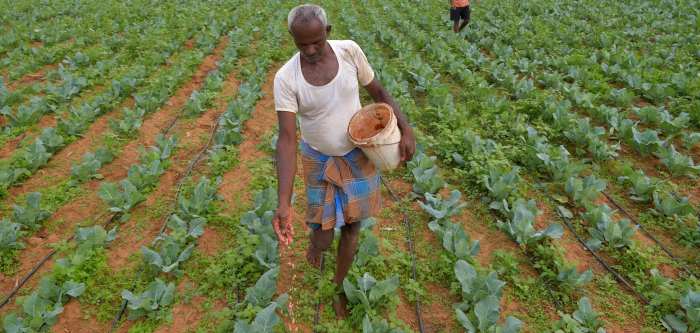
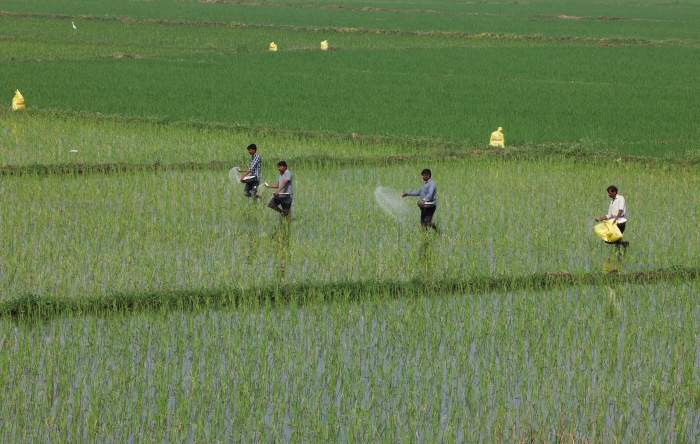
For small-scale farmers, who dominate agricultural production in the region, these risks translate into difficult trade-offs.
Higher input costs often mean reduced fertilizer usage, leading directly to lower yields and declining household incomes—an outcome with broader implications for food security and rural livelihoods.
What East Africa must do
Addressing these risks requires a coordinated regional response that goes beyond short-term subsidies.
Invest in local fertilizer production and blending
Reducing dependency on imports is critical. Governments should accelerate investments in domestic fertilizer blending plants and explore regional production hubs, leveraging natural gas resources where available. This would help stabilise supply and insulate farmers from global price shocks.
Strengthen strategic reserves and procurement systems
While current reserves provide a temporary buffer, they are insufficient for prolonged disruptions. East African governments must expand strategic input reserves and adopt forward-contracting mechanisms to secure supplies at predictable prices.
Diversify supply chains and trade routes
Overreliance on a single corridor such as the Red Sea exposes the region to concentrated risk. Expanding sourcing partnerships beyond the Middle East and investing in alternative logistics routes will enhance resilience.
Scale up targeted subsidies and smart financing
Subsidy programmes remain essential but must be better targeted to reach smallholder farmers efficiently. In parallel, innovative financing tools – such as input credit schemes and warehouse receipt systems – can ease liquidity constraints during planting seasons.
Promote sustainable and organic alternatives
Long-term resilience will depend on reducing reliance on synthetic fertilizers. Governments and development partners should scale up research and adoption of organic inputs, soil health programmes, and climate-smart agriculture practices.
Enhance regional coordination under the EAC
Given shared vulnerabilities, a fragmented national approach will be insufficient. The East African Community should play a central role in coordinating procurement, harmonising policies, and developing joint resilience strategies.
Stabilise macroeconomic fundamentals
Managing inflation and exchange rate volatility will be crucial in cushioning imported cost pressures. This calls for prudent fiscal and monetary policies, particularly as governments balance subsidy demands with tightening budgets.
Outlook
The current crisis underscores a fundamental reality: East Africa’s agricultural systems remain highly exposed to external geopolitical shocks.
While immediate interventions may prevent a full-scale supply crisis, the persistence of Middle East instability suggests that these risks are structural rather than temporary. Without decisive reforms, the region risks entering a cycle of recurring input shocks, declining productivity, and heightened food insecurity. However, with strategic investment and coordinated policy action, this moment could serve as a turning point – driving the transition toward a more resilient, self-sufficient agricultural economy.