
By Peter Nyanje
Rising geopolitical tensions in the Middle East are beginning to reverberate through global fuel markets, presenting early warning signals for tourism-dependent economies such as Tanzania.
While the immediate impact on 2027 travel pricing remains uncertain, industry trends suggest that proactive mitigation will be critical to safeguard competitiveness.
Global tourism operators are already grappling with increased fuel levies, logistical costs, and pricing uncertainty – pressures that are likely to cascade into East African markets where aviation, transport, and supply chains are highly fuel-dependent.
For Tanzania, where tourism contributes significantly to foreign exchange earnings, the risk is not only higher operational costs but also potential price sensitivity among international travellers.
Targeted fuel and pricing interventions
One of the most immediate mitigation strategies lies in managing fuel cost volatility.
Tanzania could consider strengthening its fuel stabilisation mechanisms, including strategic reserves and flexible tax adjustments on petroleum products during periods of global price spikes.
Such measures would help cushion downstream sectors – particularly aviation, tour operations, and logistics – from abrupt cost escalations.
Equally important is the need for a coordinated pricing strategy across the tourism value chain. Transport services – such as airport transfers and domestic flights – are typically the most exposed to fuel increases.
Without intervention, these segments could pass costs directly to tourists, undermining Tanzania’s price competitiveness. Policymakers, in collaboration with private operators, may need to explore temporary cost-sharing frameworks or targeted subsidies for critical tourism services.
Strengthening operational resilience
The experience of global operators shows that cost pressures are often more operational than demand-driven.
For Tanzania, this underscores the importance of improving efficiency across tourism logistics. Investments in route optimisation, fleet efficiency, and digital booking systems can reduce operational burdens and help operators manage fluctuating costs more effectively.
In parallel, encouraging the adoption of fuel-efficient technologies – particularly in aviation and ground transport – would provide longer-term insulation against global oil shocks. This aligns with broader energy transition goals, including the expansion of renewable energy to reduce dependence on imported fossil fuels.
Diversifying tourism offerings and markets
Another key mitigation lies in diversifying both tourism products and source markets.
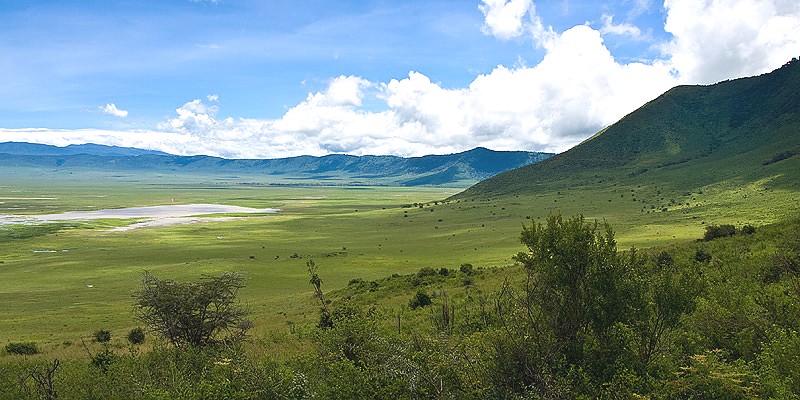
High-end tourism segments, such as luxury lodges in Serengeti National Park and Ngorongoro Conservation Area, are generally better positioned to absorb cost increases due to stronger margins.
In contrast, budget and mid-range segments remain highly vulnerable.
To address this imbalance, Tanzania could intensify efforts to promote domestic and regional tourism, which are less sensitive to international travel costs. Expanding product offerings – such as cultural tourism, conference tourism, and coastal experiences in Zanzibar—would also help distribute risk across multiple revenue streams.
Leveraging currency and macroeconomic policy
Currency dynamics will play a crucial role in shaping the final impact on 2027 rates.
A relatively stable or competitive Tanzanian shilling could provide a buffer by making the destination more attractive compared to higher-cost markets. This places importance on prudent macroeconomic management, including inflation control and foreign exchange stability.
At the same time, authorities may need to closely monitor inflationary spillovers from fuel price increases, particularly in transport and hospitality services, to prevent broader cost escalation across the tourism ecosystem.
Enhancing public-private coordination
Perhaps the most critical mitigation strategy is strengthening coordination between government and industry stakeholders.
The evolving nature of the Middle East crisis means that pricing, demand, and operational conditions could shift rapidly. Establishing a joint response framework – bringing together regulators, airlines, tour operators, and hospitality players – would enable timely adjustments to pricing models, marketing strategies, and service delivery.

Such coordination would also support scenario planning for 2027 rates, ensuring that Tanzania remains competitive even under prolonged global uncertainty.
Outlook
While global experience suggests that tourism demand tends to remain resilient, cost pressures linked to fuel volatility are unavoidable. For Tanzania, the challenge will be less about demand collapse and more about managing operational costs and preserving value for money. If effectively managed, the current crisis could serve as a catalyst for structural reforms – ranging from energy diversification to tourism product innovation – positioning the country for greater resilience in an increasingly volatile global environment.