
By Business Insider Correspondent
The severe storms battering Tanzania are likely to reverberate far beyond its borders, threatening to disrupt tightly interlinked cross-border supply chains while exposing structural weaknesses in East Africa’s already strained urban infrastructure.
From transport corridors and port operations to city drainage and public health systems, the unfolding weather shock underscores how climate volatility is fast becoming both a logistical risk and a macroeconomic stress test for the region.
The latest high-impact alert warning of heavy rainfall across large parts of the country, covering March 20–21, signalled intense precipitation across at least 17 regions, including major economic hubs such as Dar es Salaam, Tanga, and Mwanza.
Other areas under watch included Arusha, Kilimanjaro, Kagera, and parts of western Tanzania, as well as the islands of Unguja and Pemba.
Meteorologists attributed the current weather system to a shift in the Inter-Tropical Convergence Zone (ITCZ), which delivered significant rainfall within a short 48-hour window. Authorities warn that the intensity and geographical spread of the storm could trigger widespread disruptions, particularly in transport, agriculture, and urban services.
Key trade and logistics routes are among the most vulnerable. The corridor linking Dar es Salaam to northern Tanzania and neighboring countries is critical for the movement of fuel, agricultural inputs, and manufactured goods across East Africa. Heavy rains often lead to road damage and delays, potentially slowing cargo flows to landlocked countries and increasing costs for businesses.
Agricultural areas around Lake Victoria, including Kagera and Mwanza, also face heightened risks. Experts warn that excessive rainfall at this stage of the season could damage harvested crops, particularly maize and beans, threatening local food supplies and farmer incomes.
Urban centres are expected to bear the brunt of immediate impacts. In Dar es Salaam, where drainage systems are frequently overwhelmed during heavy downpours, authorities are on alert for flash floods and related health risks. Past incidents have shown a rise in waterborne diseases such as cholera following prolonged flooding.
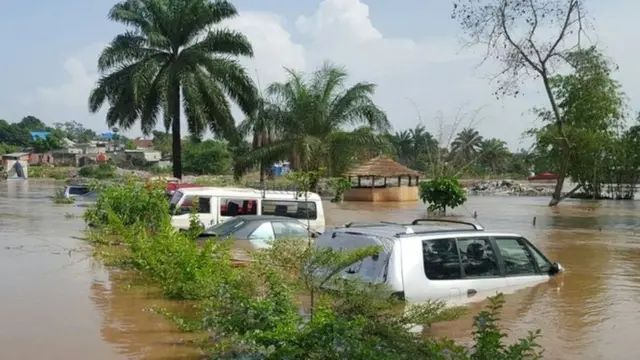
The implications extend beyond Tanzania’s borders. Regional analysts note that disruptions along Tanzania’s trade routes could affect supply chains across the East African Community. Businesses in neighbouring Nairobi and Kampala, which rely on the Port of Dar es Salaam, may face delays, higher logistics costs, and spoilage of perishable goods.
Climate experts from the IGAD Climate Prediction and Applications Centre have previously cautioned that such weather systems often span multiple countries. The current rainfall pattern is part of a broader regional system that could also affect areas around Lake Victoria, with potential knock-on effects in western Kenya.
The latest warning has once again highlighted concerns over infrastructure resilience in rapidly growing East African cities. Economists argue that repeated flood-related losses – often running into billions of shillings – underscore the urgent need for investment in climate-resilient urban planning and drainage systems.
For now, authorities are urging residents to take precautionary measures, including clearing drainage channels, securing property, and avoiding flood-prone areas. While early warnings provide critical lead time, experts say longer-term regional coordination and infrastructure upgrades will be essential to mitigate the growing risks posed by increasingly unpredictable weather patterns.