By Business Insider Reporter
The Government of the United Kingdom has announced an additional £4 million (about TSh 14 billion) in funding to the World Food Programme (WFP) to strengthen food and nutrition assistance for refugees in Tanzania.
The latest contribution builds on years of UK support to humanitarian efforts in the country and comes amid growing pressure on global aid resources. It also complements the UK’s substantial annual global contribution to WFP, which stood at over £325 million in 2025.
Speaking in Dar es Salaam, Anna Wilson, Development Director at the British High Commission, said the funding underscores the UK’s commitment to protecting vulnerable refugee communities.
“Food assistance is not simply about meals; it is about dignity, protection, and the ability to live in safety while far from home,” she said, noting that many refugee families depend on such support for survival.
The funding will be channelled through WFP programmes targeting refugees at risk of food insecurity, particularly women and children, who remain the most vulnerable in displacement settings.
WFP Country Director Ronald Tran Ba Huy welcomed the additional support, describing it as timely given the strain on humanitarian resources globally.
“This contribution will make a tangible difference in the daily lives of refugee families who rely on food assistance to meet their most basic needs,” he said.
“It helps sustain critical assistance that enables families to cope, maintain dignity, and focus on their future.”
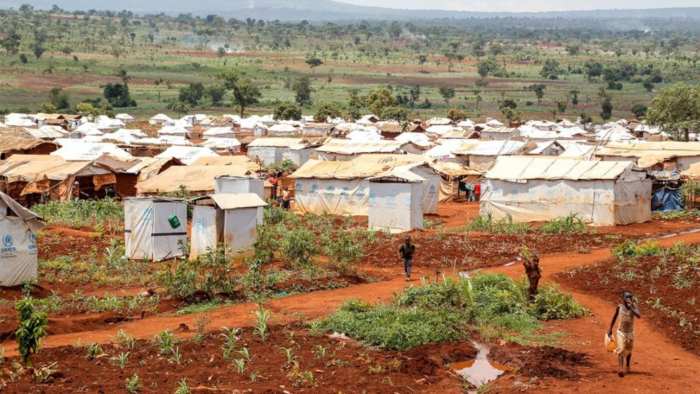
Tanzania hosts hundreds of thousands of refugees, mainly from neighbouring countries affected by conflict and instability. Humanitarian agencies have in recent years faced funding gaps that threaten the continuity of essential services, including food distribution and nutrition programmes. The UK’s latest intervention is expected to help stabilise food supply for refugee households while reinforcing broader efforts to enhance resilience and wellbeing among displaced populations.