By Business Insider Reporter
The government has a huge task ahead – comprehensive reforms in its taxation regime, if it is determined to implement proposals by a committee on tax reforms formed by the President Samia Suluhu Hassan more than a year ago.
The committee has generally proposed comprehensive tax system overhaul in over three decades, following the submission of a 284-point reform package aimed at modernising revenue collection and accelerating the country’s transition toward a US$1 trillion economy – the Dira 2050n target.
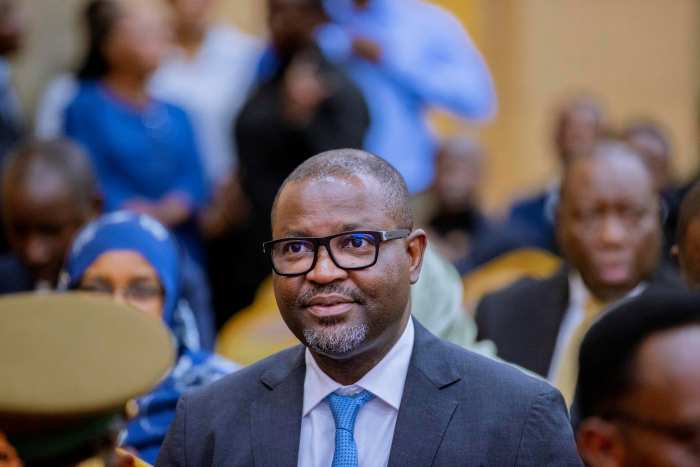
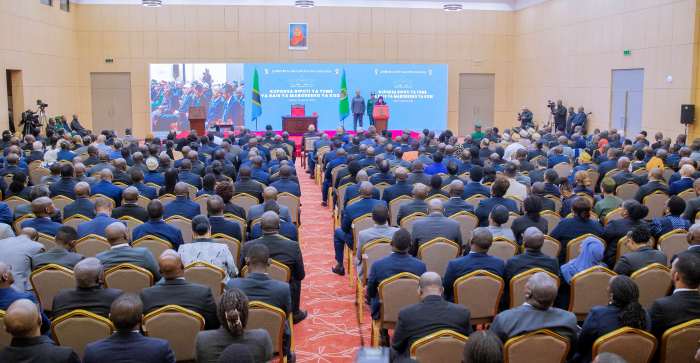
The proposals, developed by a presidential commission chaired by former Chief Secretary Ambassador Ombeni Sefue (pictured), were formally presented to President Samia Suluhu Hassan at State House on March 18, 2026.
The reforms mark the first major review of Tanzania’s tax framework since the early 1990s and come at a critical moment as the country aligns fiscal policy with its long-term Dira 2050 development agenda.
At the core of the recommendations is a shift toward a digital, paperless, and customer-focused tax administration system designed to ease compliance, reduce costs for businesses, and improve transparency.
As a core of this the commission has peroposed tyransformation of the Tanzania Revenue Authority (TRA) into Tanzania Revenue Services (TRS) not only as a name change, but the entire tax administration system to reflect service delivery nature to tax payers.

The commission argues that the current tax system – long criticised by investors and domestic enterprises – has become fragmented, costly, and overly burdensome.
President Samia endorsed the proposals, underscoring the urgency of reform as Tanzania seeks to mobilise domestic resources for growth.
With the private sector expected to finance roughly 70 percent of Dira 2050, she stressed that an efficient and predictable tax environment is essential to unlocking investment.
“We must remove the layers of tax complaints and build a system that reflects today’s economic realities,” she said, signalling strong political backing for implementation.
Structural weaknesses exposed
The commission identified deep-rooted structural challenges within the tax ecosystem, including uncoordinated revenue collection by multiple regulatory bodies.
This has resulted in overlapping taxes, levies, and fees imposed on the same taxpayers – driving up compliance costs and, in some cases, encouraging informal practices.
Ambassador Sefue noted that the multiplicity of agencies collecting revenue without harmonisation has eroded taxpayer confidence and complicated the business environment.
The report also highlights weaknesses in dispute resolution mechanisms, which have left many taxpayers frustrated and distrustful of the system.
Digital transformation at the centre
A key pillar of the reform agenda is technological integration. The commission proposes the development of a unified digital platform, including a mobile application that would allow taxpayers to register, file returns, track liabilities, and make payments seamlessly.
Beyond digitisation, the reforms advocate the use of emerging technologies such as artificial intelligence, big data analytics, and blockchain to strengthen compliance, reduce human interaction, and curb corruption.
The goal is to establish a largely “faceless, cashless and paperless” tax administration model aligned with global best practice.
Rebranding and cultural shift
In a symbolic but strategic move, the commission has recommended renaming TRA to the “Tanzania Revenue Service,” reflecting a broader shift from enforcement to service delivery. This change is intended to foster a more cooperative relationship between tax authorities and taxpayers, particularly small and medium-sized enterprises.
The report also underscores the need to expand the tax base by supporting business formalisation.
Currently, a narrow pool of compliant taxpayers shoulders the bulk of the tax burden, while many small enterprises remain outside the formal system due to administrative and financial barriers.
A reform moment with long-term stakes
The proposals are the product of extensive consultations and international benchmarking across jurisdictions including the United Kingdom, India, Vietnam, and South Korea – countries that have successfully modernised their tax systems to support rapid economic transformation.
For Tanzania, the stakes are high. A more efficient tax system is expected not only to boost revenue collection but also to improve the investment climate, enhance competitiveness, and support industrialisation – key pillars of the country’s development strategy.
President Samia acknowledged that the reform process may be challenging but framed it as necessary for long-term economic resilience.
“Change is never easy, but it is essential if we are to build a strong foundation for the future,” she said. If implemented effectively, the reforms could mark a turning point in Tanzania’s fiscal governance – positioning the country to better finance its development ambitions while creating a more predictable and business-friendly environment.