By Peter Nyanje, Dar es Salaam
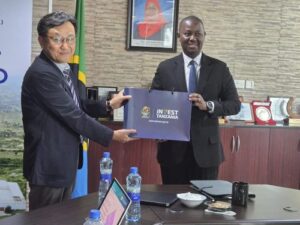
Israel Ambassador-designate to Tanzania, Gideon Behar (pictured above), has called on Tanzania and the wider East African region to support Israel amid escalating tensions with Iran, framing the conflict as a broader global security concern with potential economic implications.
Speaking to Business Insider on March 17, 2026 from his Nairobi office, Behar argued that Iran’s advancing military capabilities – particularly in nuclear development and long-range missile systems – pose a threat not only to Israel but to international stability.
“Countries should rally behind Israel because Iran’s intentions go beyond the region. Once it reaches advanced nuclear capability, the implications will affect global peace and security,” he said.
According to Ambassador Gideon Behar, Tanzania and other African countries should not consider themselves immune to Iran-linked security threats, citing intelligence that suggests Tehran has supported or facilitated covert operations across parts of the continent.
He pointed to reports indicating the presence of networks associated with the Quds Force in countries such as Ghana, Senegal and Tanzania. These, he argued, form part of a broader strategy to expand influence through clandestine activities.
Behar further alleged that Iranian operatives have, in the past, attempted to recruit local agents to establish covert networks capable of carrying out attacks in Tanzania and other African states, raising concerns over regional security vulnerabilities.
He cited a 2015 case in Kenya, where an Iranian national was reportedly linked to plots targeting both local and Israeli interests. Two Kenyan nationals were subsequently arrested on suspicion of espionage and involvement in planned attacks allegedly connected to Iranian networks.
Security concerns and global economic risks
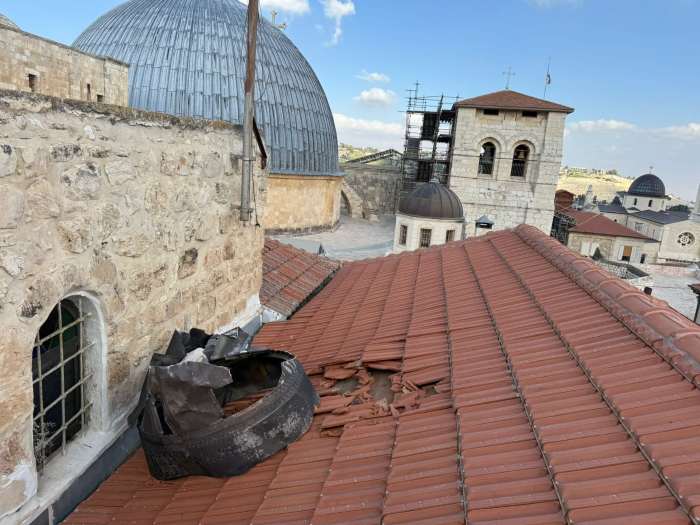
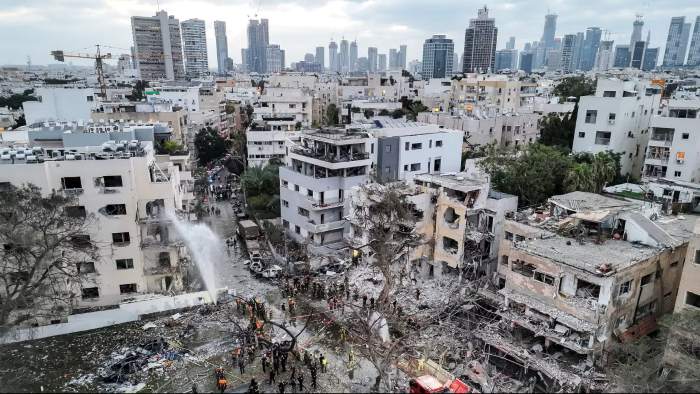
Behar defended Israel’s ongoing military actions as a preventive measure aimed at halting Iran’s nuclear ambitions. Iran, he said, is moving towards developing weapons that could destabilise not only the Middle East but also global trade systems.
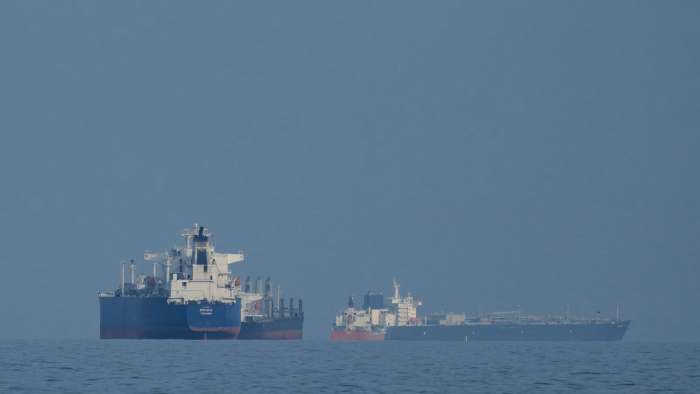
The envoy’s remarks come against the backdrop of heightened geopolitical tensions in critical energy corridors, particularly around the Strait of Hormuz – a route through which roughly a fifth of the world’s oil supply passes.
Any disruption in the strait could trigger sharp increases in global oil prices, with direct consequences for import-dependent economies such as Tanzania and its regional peers.
Implications for East Africa
For East African economies, rising geopolitical tensions in the Middle East translate into heightened energy costs, inflationary pressure and fiscal strain.
Tanzania, which relies heavily on imported petroleum products, remains vulnerable to external price shocks. Analysts warn that sustained increases in oil prices could widen the trade deficit, weaken local currencies and increase the cost of doing business.
Behar suggested that supporting Israel’s position is aligned with broader efforts to safeguard global economic stability, including secure energy supply chains.
Balancing diplomacy and economic interests
However, the envoy’s call places East African nations in a delicate diplomatic position. Countries in the region, including Tanzania, have traditionally pursued non-aligned foreign policies, maintaining relations with a range of global partners, including Middle Eastern states.
East African Community member states, in particular, have prioritised economic diplomacy – focusing on trade, investment and development partnerships rather than geopolitical alignment.
Experts note that while security concerns are significant, governments in the region are likely to weigh their responses carefully to avoid jeopardising economic ties with key partners in both the Middle East and beyond.
Existing Tanzania–Israel cooperation
Despite the geopolitical undertones, Tanzania and Israel maintain growing bilateral cooperation, particularly in agriculture, water management and skills development.
Approximately 50 Tanzanians are currently undergoing agricultural training in Israel, reflecting ongoing knowledge exchange programmes aimed at improving productivity and food security.
Israeli organisations and firms have also invested in Tanzania in areas such as irrigation, rural development and water technology – sectors critical to the country’s long-term economic transformation.
While Behar’s remarks underscore Israel’s push for broader international backing, they also highlight the intersection between geopolitics and economic stability, particularly for emerging markets.
For Tanzania and East Africa, the immediate concern remains the economic fallout of prolonged conflict, especially in energy markets. At the same time, maintaining strategic neutrality while safeguarding national economic interests is likely to remain the dominant policy approach. As global tensions evolve, the region’s response will be shaped less by political alignment and more by pragmatic considerations around trade, energy security and economic resilience.