By Business Insider Reporter
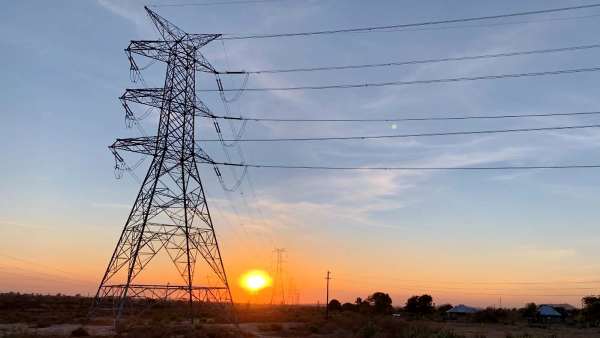
Across the highlands of Arusha, the mineral-rich corridors of Mbeya, and the fast-expanding administrative hub of Dodoma, a quiet but decisive transformation is underway.
It is not a new highway or a port expansion, but an overhaul of the very system that powers economic life: electricity.
At the centre of this shift is the Tanzania Expansion of Transmission, Distribution and Last-Mile Connectivity Project, a flagship national programme led by Tanesco in partnership with the African Development Bank (AfDB).
Targeting completion milestones by 2026, the initiative is redefining how energy is produced, transmitted and, critically, delivered to households and enterprises in previously underserved regions.
Rewiring growth corridors
The project is designed around three strategic transmission axes that reflect Tanzania’s evolving economic geography.
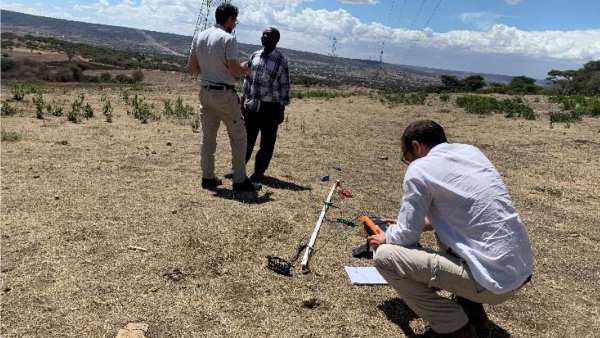
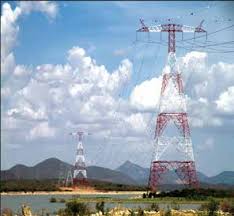
In the Mbeya–Songwe corridor, a 121-kilometre, 220kV transmission line linking Iganjo to Mkwajuni is expected to stabilise power supply to key mining and agricultural zones – two sectors increasingly central to export earnings and rural employment.
Further north, the Arusha expansion stretches 223 kilometres from Makuyuni to the remote Wasso area. This upgrade is particularly significant for the northern tourism circuit, where lodges, conservation areas and small businesses have long relied on costly diesel generators due to unreliable grid access.
In the centre of the country, the Dodoma ring circuit introduces a 116.5-kilometre loop around the capital. As Dodoma consolidates its role as Tanzania’s administrative core, the loop is intended to prevent outages in government institutions, commercial services and rapidly growing residential districts.
Collectively, these investments signal a shift from isolated infrastructure projects to a coordinated national energy backbone.
The economics of the “last mile”
Beyond high-voltage infrastructure, the project’s defining ambition lies in the so-called last-mile connectivity – the final stage of delivering electricity to end users.
For Tanzania’s private sector, this is where the real economic impact is expected to materialise. Reliable electricity reduces production downtime, cuts reliance on diesel generators and lowers operating costs for small and medium-sized enterprises.
In rural agro-processing zones, millers and small manufacturers are expected to extend operating hours, increasing productivity and market competitiveness. In tourism-dependent areas such as Ngorongoro and Serengeti-adjacent communities, lodges and service providers are gradually shifting from fuel-powered backup systems to stable grid electricity, improving both cost efficiency and environmental performance.
At a broader level, the project directly supports national climate objectives by reducing dependence on biomass and fossil fuels, while improving energy efficiency across sectors.
People-centred infrastructure delivery
What distinguishes the programme from previous infrastructure rollouts is its structured stakeholder engagement framework.
The 2026 Stakeholder Engagement Plan (SEP) places emphasis on early consultation, transparency and dispute prevention. More than 3,500 project-affected persons have been identified across the three regions, alongside vulnerable groups including elderly-headed households and persons with disabilities.
In a context where infrastructure development has historically been slowed by land disputes, Tanesco has introduced a three-tier Grievance Redress Mechanism.
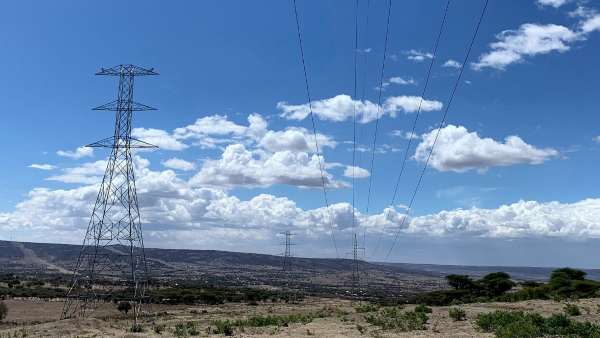
This system allows concerns to be resolved first at village level, escalating only when necessary – reducing legal bottlenecks and improving community trust.
Officials describe the approach as a shift from reactive compensation to proactive engagement, designed to align national infrastructure goals with local social realities.
Balancing development and risk
Large-scale transmission infrastructure inevitably carries environmental and social trade-offs. The Environmental and Social Impact Assessment (ESIA) for the project outlines several key challenges.
Approximately 1,445 hectares of land will be acquired across the three regions, requiring careful compensation and resettlement processes. In addition, more than 90 graves and cultural heritage sites are expected to be relocated, necessitating sensitive engagement with local communities and traditional authorities.
Ecological considerations are also central to project design. In environmentally sensitive zones such as the Lake Natron basin, where migratory bird routes are present, specialised bird diverters are being integrated into transmission infrastructure to reduce collision risks and protect biodiversity.
These measures reflect a broader effort to balance infrastructure expansion with environmental stewardship.
Financing confidence and institutional reform
The project is supported by a dedicated engagement and monitoring budget of approximately US$ 150,000, underscoring the importance placed on communication and stakeholder management alongside physical construction.
For development partners and private investors, the model offers a degree of predictability often absent in large infrastructure programmes. The combination of technical scale, institutional reform and structured community engagement is being viewed as a stabilising factor for long-term project delivery.
Toward energy sovereignty
As Tanzania advances towards its long-term development ambitions, the last-mile connectivity programme is emerging as more than an infrastructure project.
It represents a structural attempt to close the gap between national generation capacity and local economic productivity.
By extending reliable electricity into rural and peri-urban areas, the country is effectively repositioning energy as a driver of inclusive growth rather than a constraint on it.
For businesses, the implications are clear: energy reliability is increasingly becoming a competitive variable. For policymakers, the challenge is ensuring that expanded infrastructure translates into equitable access and sustained economic transformation. In this context, Tanzania’s power expansion is not merely about lighting homes. It is about reconfiguring the geography of opportunity.