By Business Insider Reporter
Tanzania’s latest engagement with Saudi Arabia marks a potentially transformative step in addressing longstanding structural gaps in its energy sector, particularly in fuel security, gas monetisation and technical capacity.
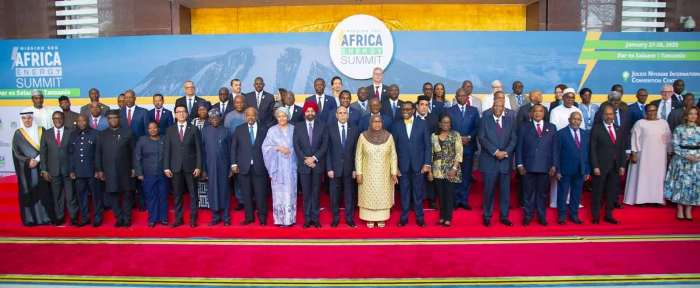
High-level talks held in Dar es Salaam on March 16, 2026 between Energy Minister Deogratius Ndejembi and Saudi Ambassador Yahya Ahmed Okeish go beyond diplomatic symbolism.
They point to a strategic alignment that could help Tanzania tackle some of its most pressing energy challenges while positioning it more competitively within the regional energy market.
Strengthening fuel security amid global volatility
One of the most immediate benefits for Tanzania lies in enhanced oil supply security. As a net importer of refined petroleum products, Tanzania remains highly exposed to global price shocks – particularly during geopolitical disruptions affecting key supply routes such as the Middle East.
Deeper cooperation with Saudi Arabia, one of the world’s largest oil producers, could provide Tanzania with more stable and potentially preferential supply arrangements, reducing exposure to volatile spot markets.
This is particularly critical as East African economies continue to experience periodic fuel price spikes linked to global supply disruptions.
For Tanzania, improved supply predictability would not only stabilise domestic fuel prices but also reduce inflationary pressures across transport, manufacturing and logistics sectors.
Unlocking natural gas for industrial growth
Beyond oil, the partnership has significant implications for Tanzania’s vast but underutilised natural gas reserves – estimated at over 57 trillion cubic feet.

Despite this resource base, large-scale commercialisation has been slow, constrained by financing gaps, technology limitations and delayed final investment decisions on major projects such as the Tanzania LNG Project.
Saudi investment and technical expertise could accelerate progress in three key areas:
- Upstream exploration and development, improving reserve certification and production volumes
- Midstream infrastructure, including gas processing and transportation systems
- Downstream utilisation, particularly in power generation and industrial applications
If effectively implemented, this could enable Tanzania to transition from a largely domestic gas user to a regional energy exporter, supplying neighbouring markets within the East African Community and beyond.
Advancing energy diversification and clean transition
The talks also signal a shift toward energy diversification, aligning with Tanzania’s broader goal of reducing reliance on biomass and imported fossil fuels.
Saudi Arabia has increasingly expanded its global footprint in renewables through initiatives linked to its Vision 2030 agenda. For Tanzania, collaboration in renewable energy and clean cooking technologies could help address critical development challenges, including:
- Reducing dependence on charcoal and firewood, which still dominate household energy use
- Expanding access to affordable electricity in rural areas
- Lowering carbon emissions in line with global climate commitments
This is particularly relevant as Tanzania seeks to balance its hydrocarbon ambitions with a sustainable energy transition framework.
Building technical capacity and local expertise
A persistent constraint in Tanzania’s energy sector has been the limited availability of highly specialised technical skills, particularly in upstream oil and gas operations.
The agreement’s focus on capacity building, training and knowledge transfer could yield long-term dividends by strengthening local participation in the sector. Enhanced technical expertise would also support the implementation of local content policies, ensuring that Tanzanians capture greater value from energy investments.
Institutions such as the Tanzania Petroleum Development Corporation (TPDC) stand to benefit significantly from such collaboration through exposure to advanced operational practices and technologies.
Leveraging technology and investment inflows
The emphasis on deploying advanced technologies in exploration and production is equally critical. Tanzania’s offshore basins, in particular, remain underexplored relative to their potential.
Access to Saudi technical expertise could improve seismic data acquisition, drilling efficiency and overall project viability.
Moreover, the partnership strengthens Tanzania’s broader strategy of attracting foreign direct investment into the energy sector.
In recent years, the government has undertaken regulatory reforms aimed at improving investor confidence, including updates to production sharing agreements and fiscal frameworks.
Saudi Arabia’s involvement could act as a signal to other global investors, potentially crowding in additional capital into Tanzania’s oil, gas and renewable energy segments.
Regional implications
At a regional level, a stronger Tanzanian energy sector could enhance energy security across East Africa by increasing supply options and reducing dependence on external markets.
With strategic investments and effective implementation, Tanzania could emerge as a key energy hub, linking upstream gas production with regional power pools and industrial demand centres.
Outlook
While the full impact of the Tanzania–Saudi partnership will depend on execution, the direction is clear: the collaboration offers a pathway for Tanzania to stabilise its fuel supply, monetise its gas resources, diversify its energy mix and build institutional capacity. In an increasingly volatile global energy landscape, such strategic alliances may prove essential – not only for managing short-term risks but also for securing long-term energy resilience and economic growth.