By Business Insider Reporter
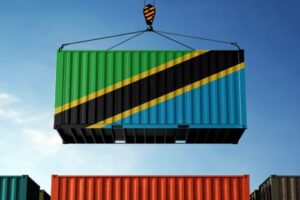
Tanzania could emerge as a key beneficiary of a new maritime partnership between Egypt’s Canal Shipping Agencies Company (CSAG) and Trust Trading and Transport Company, following the signing of a memorandum of understanding to establish a joint venture operating commercial vessels between Egyptian and East African ports.
The planned regular shipping line is designed to strengthen trade flows, improve logistics integration and support export growth between North and East Africa.
For Tanzania – whose economy depends heavily on maritime trade – analysts say the move could significantly enhance export competitiveness, port throughput and regional trade integration.
A strategic opening for exports
Maritime transport experts argue that a dedicated Egypt–East Africa shipping corridor could reduce transit times and freight volatility for Tanzanian exporters.
“Direct maritime connectivity with Egypt creates a shorter commercial bridge to North Africa and, by extension, the Mediterranean market,” said a Dar es Salaam-based maritime economist. “For Tanzanian agricultural exporters, mineral traders and emerging manufacturers, this could lower logistics uncertainty and expand market access.”
Egypt serves as a gateway to both North Africa and European markets. Improved shipping frequency and reliability would allow Tanzanian exporters of horticulture, grains, processed foods and industrial goods to tap into new demand centres more efficiently.
According to regional trade analysts, logistics costs remain one of the biggest structural barriers to intra-African trade. A structured maritime route reduces dependency on fragmented transhipment networks and could improve supply chain predictability.
Strengthening Dar es Salaam Port
For Tanzania, the greatest immediate gain may lie in enhanced port activity. The Port of Dar es Salaam already functions as a gateway for landlocked neighbours including Zambia, Rwanda, Burundi and parts of the Democratic Republic of Congo. Additional shipping routes linking North Africa could increase container volumes and transit trade.
A senior executive at a Tanzanian logistics company noted that increased vessel frequency would improve economies of scale.
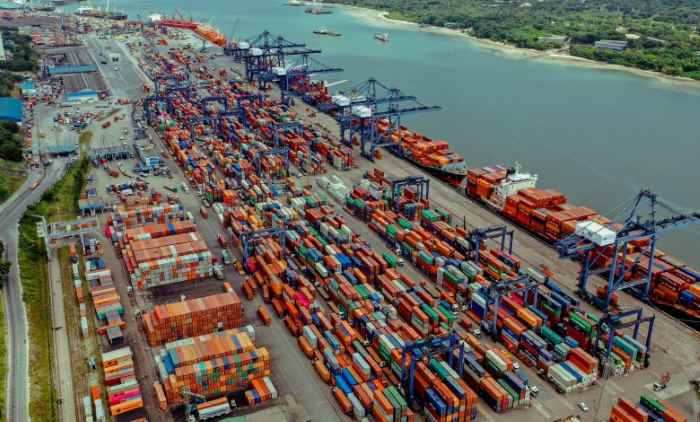
“More consistent North–East Africa sailings mean better planning for freight forwarders and importers. That stability translates into cost savings for businesses,” he said. “It also strengthens Dar es Salaam’s competitiveness against other regional ports.”
Higher cargo throughput would in turn boost port revenues, warehousing activity, inland transport services and customs-related income.
Aligning with continental trade ambitions
The development comes as African governments push to operationalise the African Continental Free Trade Area (AfCFTA), aimed at boosting intra-African trade. Egypt has already expanded its trade with the rest of Africa, with official data showing steady year-on-year growth.
The shipping initiative also aligns with Egypt’s broader logistics strategy, including infrastructure development under projects backed by the African Development Bank to connect East Africa to the Mediterranean via multimodal corridors.
For Tanzania, integration into such corridors could unlock long-term advantages.
“Africa’s trade growth will depend on physical connectivity,” said a regional shipping consultant. “If Tanzania positions itself within this North–East Africa maritime axis, it strengthens its role as both a destination and transit hub.”
Diversification and resilience
Business leaders also see the MoU as an opportunity to diversify trade routes. Tanzanian exporters have traditionally relied heavily on Asian and European shipping networks. Strengthening maritime ties with Egypt reduces overreliance on distant corridors and builds resilience against global supply chain disruptions.
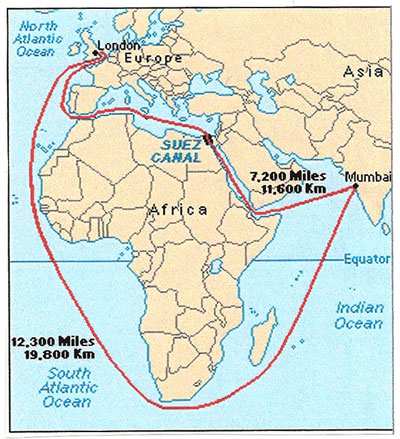
“In recent years, we’ve seen how fragile global shipping can be,” said a Dar es Salaam-based exporter of processed agricultural products. “A stronger African shipping network gives us alternatives. That improves negotiating power and reduces exposure to external shocks.”
Spillover effects for logistics and investment
Beyond trade volumes, the joint venture may encourage knowledge transfer and investment partnerships in port management, warehousing and customs digitisation.
Industry observers note that Egyptian shipping agencies possess experience in managing high-volume traffic linked to the Suez Canal corridor. Collaboration could expose Tanzanian operators to improved operational standards and integrated logistics models.
“If structured properly, this isn’t just about vessels docking,” said a maritime policy analyst. “It’s about building long-term logistical capability in East Africa.”
The bigger picture
For Tanzania, the MoU represents more than a shipping arrangement. It offers an opportunity to:
- Expand export reach
- Increase port revenues
- Deepen regional integration
- Strengthen its gateway role in East and Central Africa
Whether the full benefits materialise will depend on implementation, route inclusion and coordination with Tanzanian port authorities and private-sector players. However, maritime and trade experts agree on one point: as intra-African commerce gains momentum, strategic shipping corridors like the Egypt–East Africa route could prove pivotal in reshaping the continent’s trade architecture – with Tanzania well placed to gain if it moves decisively.