
By Business Insider Reporter
The International Finance Corporation (IFC), the private sector arm of the World Bank Group, is preparing to commit up to US$52 million to expand access to finance for small businesses in Kenya, Uganda and Tanzania – a move that could strengthen credit flows in some of East Africa’s most underserved markets.
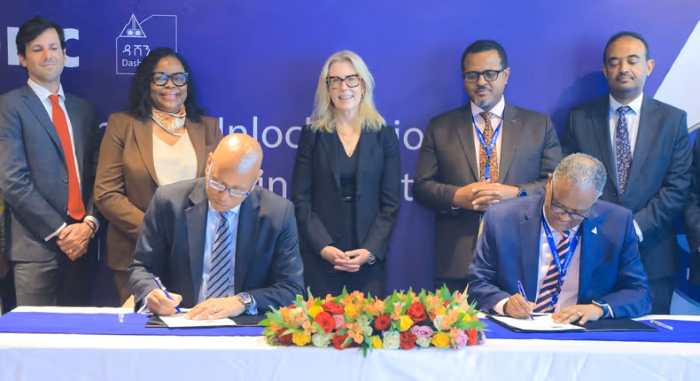
The proposed investment, expected to be considered by IFC’s board on March 27, will be channelled through Platcorp Holdings, a Mauritius-based microfinance investment management firm with subsidiaries across the three countries.
If approved, the package would combine US$27 million from IFC’s own account with up to US$25 million mobilised from partner investors through parallel and B-loan structures.
The financing will take the form of four-year senior loans to five of Platcorp’s subsidiaries, supporting medium-term lending in local currencies – a critical feature in markets often exposed to exchange rate volatility.
Strengthening local currency lending
According to project documentation, the indicative allocation includes US$20 million for two Kenyan subsidiaries, US$5 million for two in Uganda, and US$2 million for one in Tanzania.
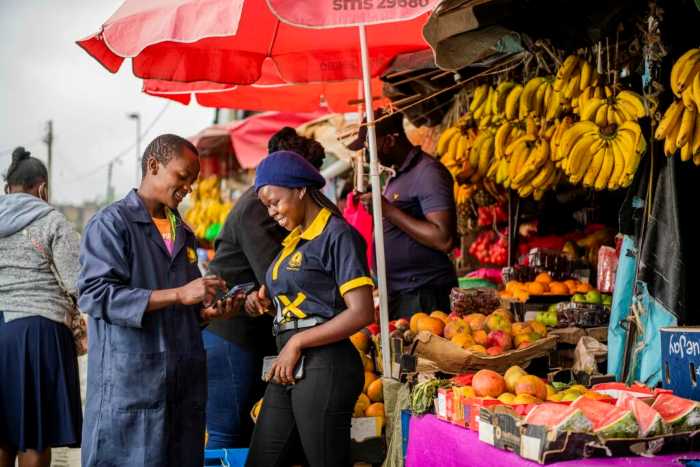
The funds will be directed toward micro, small and medium-sized enterprises (MSMEs), particularly in rural and peri-urban areas where formal banking penetration remains low.
For Tanzania, where access to long-term, affordable credit remains a structural constraint for small enterprises, the injection – though modest in scale relative to Kenya’s share – signals renewed emphasis on strengthening grassroots enterprise financing.
Many Tanzanian MSMEs rely on short-term or informal funding, limiting their ability to expand operations, invest in equipment or stabilise cash flow.
By structuring the loans in local currency, IFC aims to reduce foreign exchange risks for borrowers – a common vulnerability when funding is sourced externally but revenues are earned domestically.
Closing the gender finance gap
A defining feature of the programme is its gender focus. IFC expects that at least 50 percent of the loans supported under the facility will benefit women-owned businesses.
This target responds to longstanding disparities in credit access, where female entrepreneurs frequently face higher collateral requirements and narrower financial networks than their male counterparts.
In Tanzania and neighbouring markets, women dominate segments of informal trade and small-scale agriculture, yet remain underrepresented in formal borrowing portfolios.
Expanding structured, medium-term lending to this demographic could strengthen productivity, business formalisation and household income growth.
A broader regional play
The transaction also reflects IFC’s strategy of using its balance sheet to crowd in private capital. By mobilising up to US$25 million from external investors alongside its own funding, the institution is signalling confidence in East Africa’s MSME lending market while distributing risk.
International Finance Corporation has increasingly positioned blended finance and parallel lending as tools to scale impact in frontier markets, particularly where commercial banks remain cautious about longer-tenor lending.
Platcorp Holdings reports assets under management exceeding US$358 million and serves more than one million clients through 568 branches across its operational footprint.
The IFC-supported financing will not extend to the group’s micro-insurance or vehicle tracking businesses, focusing instead exclusively on enterprise lending.
Implications for Tanzania
For Tanzania, the investment arrives at a time when policymakers are seeking to expand financial inclusion and stimulate private sector-led growth.
While large infrastructure projects have dominated recent investment narratives, sustainable employment growth hinges on the vitality of small and medium-sized enterprises, which account for the majority of business activity.
However, the scale of Tanzania’s allocation – US$2 million – underscores a broader challenge. The country must deepen its financial sector competitiveness and regulatory predictability to attract larger flows of blended and private capital.
Kenya’s larger share reflects both market size and financial sector maturity.
If leveraged effectively, even a relatively small facility could catalyse additional lending, especially if accompanied by improved credit information systems and collateral registries.
The real economic impact will depend on how efficiently the funds are deployed and whether they translate into measurable business expansion, job creation and income growth.
In a region where MSMEs consistently cite limited access to finance as a primary constraint, IFC’s planned commitment signals continued international backing for grassroots enterprise development. For Tanzania, the challenge now lies in converting capital inflows into scalable productivity gains that can anchor long-term private sector expansion.