By Business Insider Reporter
A new financing agreement between CRDB Bank and the Ministry of Minerals is set to reshape Tanzania’s artisanal and small-scale mining landscape, unlocking long-constrained capital and accelerating the sector’s transition from survival activity to commercially viable enterprise.
Signed on February 23, 2026, the memorandum of understanding (MoU) establishes a tailored credit framework for artisanal and small-scale miners, particularly in gold, addressing one of the sector’s most persistent bottlenecks: access to affordable and flexible finance.
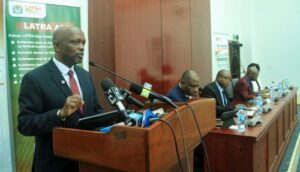
The agreement was officiated by the Minister for Minerals, Anthony Mavunde (pictured below), and aligns with broader directives from President Samia Suluhu Hassan to modernise mining, deepen financial inclusion and maximise local value creation.
Turning miners into bankable businesses
For decades, small-scale miners have largely operated outside the formal financial system, constrained by lack of collateral, irregular cash flows and limited financial literacy.
As a result, many have relied on informal lenders and middlemen, trapping them in low productivity and weak bargaining power.
The CRDB–Minerals Ministry pact seeks to reverse this dynamic. Under the MoU, CRDB will roll out concessional loan products with flexible repayment terms, structured around mining cash cycles rather than conventional commercial lending models.
The aim is to enable miners to invest in mechanisation, safer equipment and processing facilities – critical steps toward higher recovery rates and improved margins.
CRDB has already disbursed TSh189 billion to the mining sector, and the new programme is expected to scale that exposure while broadening access to smaller operators who have historically been excluded.
A sector with rising economic weight
Artisanal and small-scale mining has become a central pillar of Tanzania’s mining economy. The sub-sector supports an estimated 1–2 million livelihoods and now accounts for about 40 per cent of the mining industry’s GDP contribution, up from just 4 percent in earlier years – a sharp rise driven by government-led formalisation efforts.
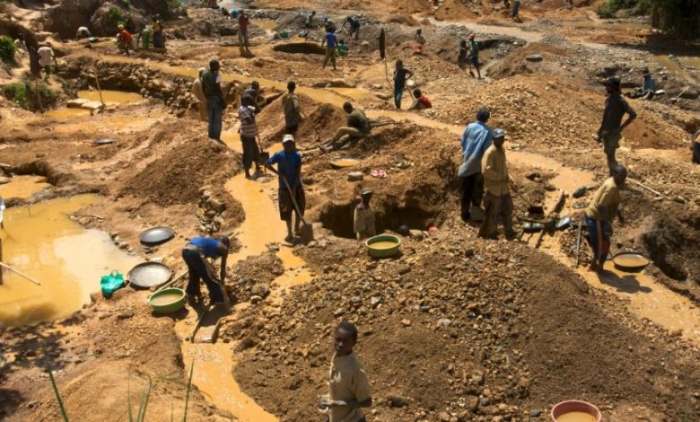
Overall, mining contributes roughly 10.1 percent of national GDP and delivers about 56 percent of foreign exchange earnings, making productivity gains among small-scale miners macroeconomically significant.
In rural areas where alternative employment is scarce, access to finance can mean the difference between subsistence extraction and sustainable enterprise development.
Finance as a gateway to technology and safety
Beyond production, access to credit is expected to unlock wider benefits.
With capital, miners can adopt modern equipment that improves safety standards, reduces environmental harm and increases recovery efficiency.
This is particularly important in addressing long-standing health and environmental risks associated with rudimentary mining methods and hazardous chemicals.
The MoU also complements other state interventions, including geological mapping – now covering more than 97 per cent of the country – and the expansion of formal gold markets.
A pivotal reform came in 2024, when the Bank of Tanzania began purchasing gold directly from small-scale miners. By February 2026, the central bank had accumulated more than 16 tonnes of gold, providing miners with a transparent, reliable buyer and anchoring them more firmly in the formal economy.
Signalling confidence to the market
At the signing ceremony, CRDB Managing Director Dr. Abdulmajid Nsekela said the programme is designed to transform small-scale mining into a productive, value-adding activity with measurable national impact.
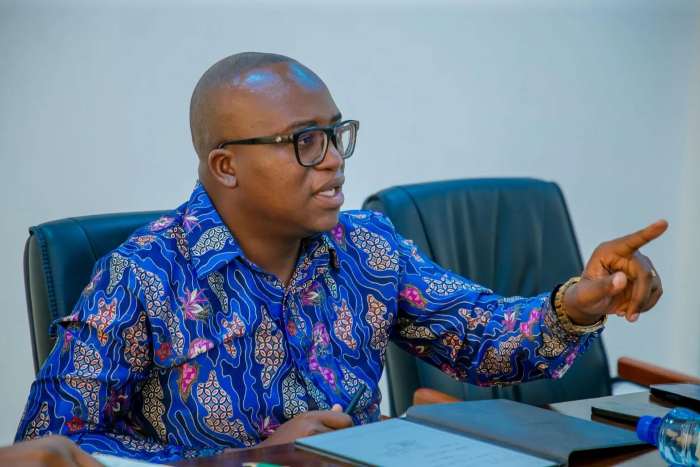
That confidence was underscored by the announcement of a TSh50 billion loan to Songwe Gold Family – the largest financing package ever extended to a small-scale mining group in Tanzania – setting a precedent for sector funding and signalling a shift in how lenders assess artisanal miners.
Beyond extraction: building a value chain
Importantly, the partnership is not limited to digging ore. Financing is expected to extend across the value chain, including processing, environmental compliance and market access.
By supporting miners to move up the value ladder, policymakers hope to retain more value domestically and reduce dependence on intermediaries.
For Tanzania’s artisanal miners, the CRDB–Ministry of Minerals agreement represents more than new loans. It marks a structural upgrade – integrating miners into the formal financial system, improving productivity and positioning the sub-sector as a credible contributor to industrial growth. If effectively implemented, the pact could help turn small-scale mining from an informal livelihood strategy into a bankable, investable segment of Tanzania’s economy – one capable of delivering higher incomes, safer jobs and stronger export earnings.