Ker & Downey Africa reaches Kilimanjaro summit to champion lion conservation
By Peter Nyanje
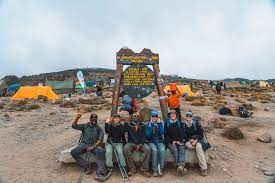
A team from Ker & Downey Africa has successfully summited Mount Kilimanjaro, marking the triumphant conclusion of its Climb for Conservation campaign – an ambitious initiative to raise funds and awareness for wildlife protection across southern Africa.
In partnership with the OKOA Fund and the African Bush Camps Foundation, the expedition reached its fundraising target, securing resources to build seven new lion bomas in Zimbabwe. These protective enclosures will help safeguard livestock, reduce human–wildlife conflict, and foster coexistence between rural communities and endangered lions.
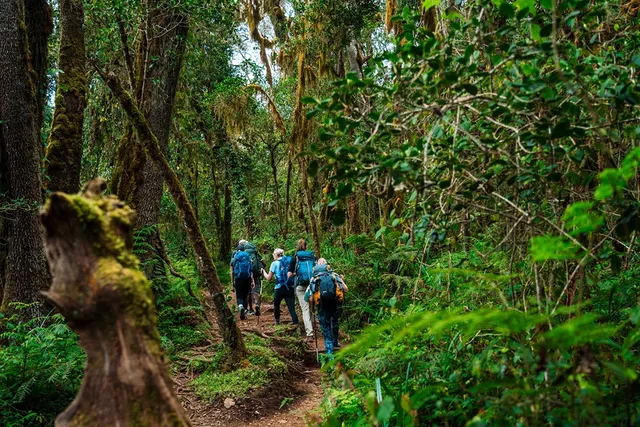
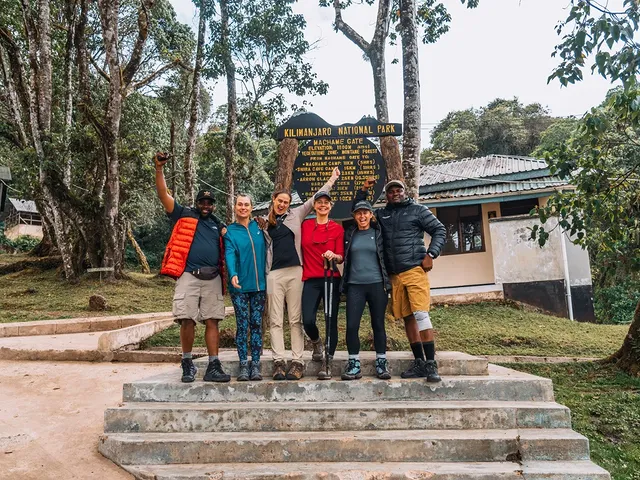
The six-member team, led by Julie Graham and Sarah Morris, reached Africa’s highest peak – 5,895 metres above sea level – after several gruelling days of climbing. Their journey was documented by Tanzanian filmmaker Ignas Salutary Lyimo, capturing breathtaking visuals that highlight both the physical challenge and the deeper conservation message behind the climb.
A climb with a cause
The Climb for Conservation initiative was designed not only as a physical test of endurance but also as a rallying call for collective environmental action. Each step up the slopes of Kilimanjaro symbolised a broader commitment to preserving Africa’s wildlife heritage and empowering local communities to coexist sustainably with nature.
According to the organisers, funds from the campaign will be channelled through the African Bush Camps Foundation to construct lion-proof bomas – reinforced enclosures that prevent nocturnal attacks on livestock while protecting lions from retaliatory killings by farmers.
“By supporting practical solutions like lion bomas, we are addressing one of the biggest threats to wildlife conservation in Africa – conflict between people and predators,” said Julie Graham, who led the climb.
Human–wildlife conflict: a continental challenge
Across East and Southern Africa, human–wildlife conflict remains a growing concern. As rural populations expand and grazing land diminishes, incidents of lions attacking livestock have become more frequent, often prompting deadly retaliation from farmers.
In Tanzania and Kenya, conservationists have adopted similar mitigation strategies, including the use of reinforced livestock enclosures and community awareness programmes. Zimbabwe, where Ker & Downey’s initiative is focused, has seen success in areas where such bomas have been installed — reducing livestock losses by up to 90 per cent.
Conservation through collaboration
Founded in 1946, Ker & Downey Africa is renowned for its luxury safari experiences, but in recent years, the company has also become a leading advocate for sustainable travel and wildlife conservation. Its partnership with the OKOA Fund and the African Bush Camps Foundation underscores a growing trend among African tour operators to integrate responsible tourism with grassroots conservation efforts.
“This climb was not just about reaching the top of Africa,” said Sarah Morris, the company’s Head of Operations. “It was about raising our voices for the planet and showing that tourism, when done right, can be a force for good.”
Environmental experts have praised the initiative for blending adventure, storytelling, and sustainability. By documenting the expedition, Ker & Downey Africa hopes to inspire travellers and conservationists alike to support long-term solutions for wildlife protection. The successful completion of the Climb for Conservation sends a powerful message: that protecting Africa’s natural heritage requires both bold action and enduring partnerships – from the slopes of Kilimanjaro to the plains of Zimbabwe.