By Business Insider Reporter
Tanzania has formally extended an invitation to the world’s parliamentary community, signalling its readiness to host the 153rd Assembly of the Inter-Parliamentary Union (IPU) in Arusha from October 5 to 9, 2026 – an event expected to elevate the country’s diplomatic and business profile.
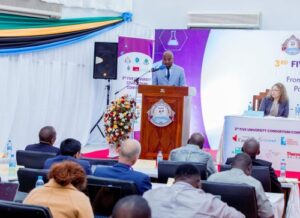
The invitation was issued by Deputy Speaker Daniel Baran Sillo (pictured below) during the closing session of the 152nd IPU Assembly in Istanbul, where he commended the Turkish Parliament, under Speaker Numan Kurtulmuş, for successfully hosting the global gathering.
Sillo said Tanzania, under the leadership of President Samia Suluhu Hassan, in collaboration with Parliament, has put in place comprehensive preparations to receive delegates from IPU’s global membership. The country is expected to facilitate participation through visa-free and visa-on-arrival arrangements – an approach aimed at easing access and boosting attendance.
Strategic positioning beyond diplomacy
While the IPU Assembly is primarily a parliamentary forum, its economic implications are significant. Hosting thousands of delegates – including lawmakers, policy advisers, investors, and development partners – positions Tanzania as a convening power in Africa’s governance and policy landscape.
The event will be held at the Arusha International Conference Centre (AICC), a venue long associated with high-level diplomatic engagements. Often referred to as the “Geneva of Africa,” Arusha has historically hosted regional and international negotiations, including those linked to the East African Community and various UN-backed processes.
For Tanzania, IPU 153 offers a platform to showcase investment opportunities across sectors such as tourism, infrastructure, agriculture, and energy – aligning with its broader economic diplomacy strategy and Dira 2050 ambitions.
The role of the IPU
Founded in 1889, the Inter-Parliamentary Union brings together national parliaments to promote democratic governance, accountability, and international cooperation. Its assemblies attract participation from more than 170 member states, making them among the most influential global parliamentary gatherings.
Beyond legislative dialogue, IPU meetings increasingly address cross-cutting economic issues, including sustainable development, climate finance, digital transformation, and inclusive growth – topics that resonate strongly with Tanzania’s development agenda.
Tourism and investment showcase
In addition to formal proceedings, Tanzania is leveraging the event to promote its tourism assets and investment climate. Delegates will be encouraged to visit globally renowned attractions such as the Serengeti National Park, the Ngorongoro Crater, Mount Kilimanjaro, and the Zanzibar islands.
This integration of diplomacy and destination marketing reflects a broader trend where international conferences serve as catalysts for tourism inflows and foreign investment visibility.
Economic spillovers and regional impact
Major global conferences typically generate short-term gains through hospitality, transport, and service industries, while also delivering long-term benefits by enhancing a country’s global brand.
For Arusha, the influx of high-level delegates is expected to boost hotel occupancy, conference services, and local supply chains.
More importantly, the summit provides Tanzania with a rare opportunity to influence global policy conversations while positioning itself as a stable, business-friendly destination in East Africa. As preparations intensify, the success of IPU 153 will depend not only on logistics but also on how effectively Tanzania converts diplomatic visibility into tangible economic outcomes.