
Government promises funding for a long-term solution as El Niño preparations put vulnerable communities and costly infrastructure under scrutiny
By Business Insider Correspondent, Morogoro
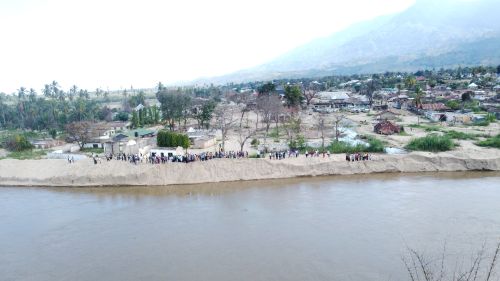
Tanzania has pledged to fast-track a long-term solution to recurring flooding in parts of Mvomero District, as the government steps up preparations to protect communities and infrastructure from the potential impact of El Niño rains.
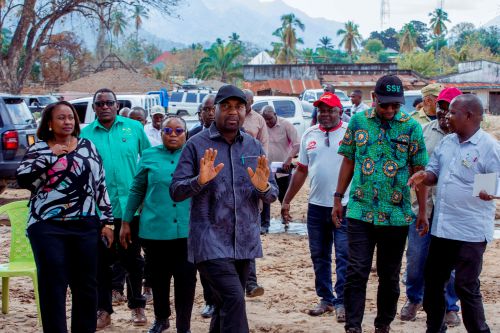
Minister of State in the Vice-President’s Office responsible for Union and Environment, Eng Hamad Yussuf Masauni, said technical experts had already identified measures required to address flooding affecting residents of Muhonda and Sungaji wards.
The communities have repeatedly suffered flooding associated with the Mbulumi River, putting homes, livelihoods and public infrastructure at risk.
Speaking to residents during a visit to Mvomero District on September 28, Masauni said the government would work to mobilise the funding identified by experts so that remedial works could begin as quickly as possible.
“Experts have already explained how this problem can be resolved and the amount of money required. The government will ensure that the funds are made available and that the matter is addressed as quickly as possible so that residents can continue living peacefully in their areas,” Masauni said.
He urged residents to remain cautious and follow guidance from technical authorities as preparations for El Niño continue.
Flooding puts investment at risk
Beyond the immediate danger to communities, Masauni said repeated flooding also threatens infrastructure built with significant public investment.
Damage to roads, bridges, drainage systems and other infrastructure can create additional costs for the government while disrupting economic activity and movement of people and goods.
The minister said the government could not ignore the persistent challenges facing residents in flood-prone communities.
He said he expected to hold discussions with the ministers responsible for water, local government and community development to accelerate efforts to find a solution.
“Continue with your daily lives cautiously during this period. The government does not want to see its citizens harmed,” Masauni told residents.
The intervention comes as authorities intensify preparedness measures ahead of anticipated El Niño conditions, with communities in vulnerable areas being encouraged to act on official warnings and technical advice.
Mvomero strengthens preparedness
Mvomero District Commissioner Maulid Dotto said the district had already begun implementing preventive measures, including encouraging residents of high-risk areas to relocate before potentially heavy rains.
Authorities are also clearing drainage channels and removing rubbish, soil and other obstructions from bridges and rivers to improve water flows.
“We have simplified the communication and early-warning system, with the district continuously providing public education from village and ward level up to the district,” Dotto said.
Village and ward disaster-management committees have also been instructed to identify potential temporary accommodation for people who may be displaced by flooding.
The committees are assessing resources that could be required to support affected communities during an emergency.
Flood risk extends beyond local rainfall
Mvomero faces a particular challenge because flooding can occur even when the district itself has not experienced significant rainfall.
Dotto said rivers passing through Turiani and Mvomero divisions originate from areas extending into Manyara, Dodoma and Tanga regions.
Heavy rainfall upstream can therefore increase river flows downstream and expose Mvomero communities to flooding regardless of local weather conditions.
That geographic exposure makes early-warning systems and coordination between authorities particularly important.
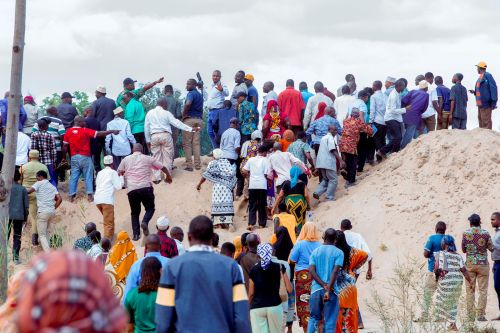
For the government, the challenge is also increasingly an economic one. Recurring floods can destroy infrastructure, disrupt agriculture and businesses and force repeated spending on repairs and emergency response.
Masauni said residents must continue following expert advice while the government works on longer-term interventions. The proposed solution to the Mbulumi River problem could therefore provide a test of Tanzania’s shift towards preventive climate resilience – investing before disasters occur rather than repeatedly paying to rebuild after floods have caused damage.