

By Business Insider Reporter
Africa’s hospitality sector is entering a new investment cycle, with hotel construction across the continent reaching record levels and East Africa emerging as one of the most dynamic growth regions. For Tanzania, the surge in new developments signals growing investor confidence in the country’s tourism industry and its broader economic prospects.
A new report by W Hospitality Group shows that Africa’s hotel development pipeline has reached its highest level ever recorded, with 675 hotels and resorts planned or under construction, representing 123,846 rooms across the continent.
The report, titled 2026 Hotel Chain Development Pipelines in Africa, indicates that the pipeline expanded by 18.6 percent year-on-year, reflecting renewed confidence among international hotel brands and investors in Africa’s tourism potential.
East Africa emerges as a construction hotspot
While North Africa currently dominates the total number of projects, East Africa has become the continent’s fastest-moving construction market, with several countries pushing projects rapidly from planning to building stages.
According to the report, countries such as Kenya, Ethiopia and Tanzania have some of the highest shares of projects already under construction.
Ethiopia and Kenya have nearly 80 percent of their planned rooms under construction, while Tanzania follows closely with 77.5 percent – a figure analysts say reflects a strong pipeline of projects moving toward completion.
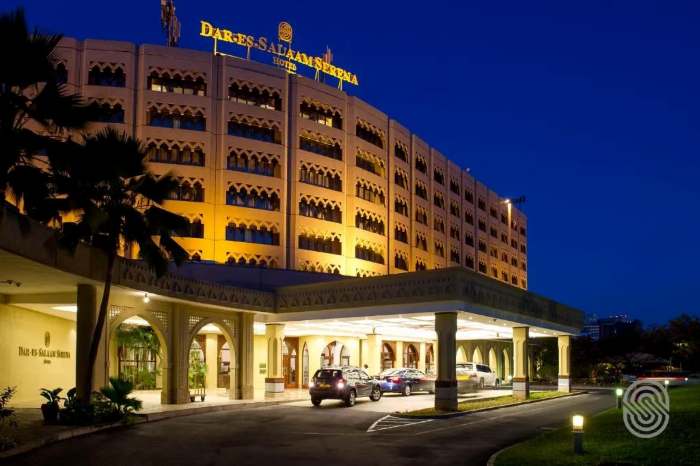
Industry experts say the numbers suggest that Dar es Salaam, Zanzibar and Tanzania’s key safari destinations could see a wave of new hotel openings in the next few years.
“East Africa is currently the most active construction zone for international hotel chains,” said hospitality analyst James Mugo. “Tanzania in particular is benefiting from strong tourism fundamentals, improving infrastructure and growing investor interest.”
Strategic tourism advantage
For Tanzania, the construction momentum reflects a deliberate strategy to strengthen its position as one of Africa’s leading tourism destinations.
The country hosts globally recognised attractions including the Serengeti National Park, the Ngorongoro Conservation Area and the beaches of Zanzibar.
Tourism remains one of the country’s most important foreign exchange earners and a key pillar of economic growth.
Economist Dr. Kenneth Mwase said the expansion of the hotel pipeline reflects a broader shift in investor perception.
“Tanzania has become one of the most attractive tourism markets in East Africa,” he said. “Improved air connectivity, stronger marketing of tourist attractions and increasing political stability are encouraging international hotel brands to expand their presence.”
Global hotel brands move in
Much of Africa’s hotel development is being driven by large international hospitality groups seeking early positions in emerging tourism markets.
The report shows that Marriott International leads Africa’s development pipeline with more than 31,000 rooms, followed by Hilton and Accor.
Together with IHG Hotels & Resorts and Radisson Hotel Group, these five brands account for roughly 80 percent of the continent’s hotel development pipeline.
Several of these operators have already expanded their footprint in Tanzania, particularly in Dar es Salaam and Zanzibar, where demand for both business and leisure accommodation continues to grow.
Opportunities and challenges
Despite the impressive pipeline figures, analysts caution that delivering projects on schedule remains one of the biggest challenges for the hospitality industry.
Across Africa, financing constraints, infrastructure gaps and regulatory delays have historically slowed project completion.
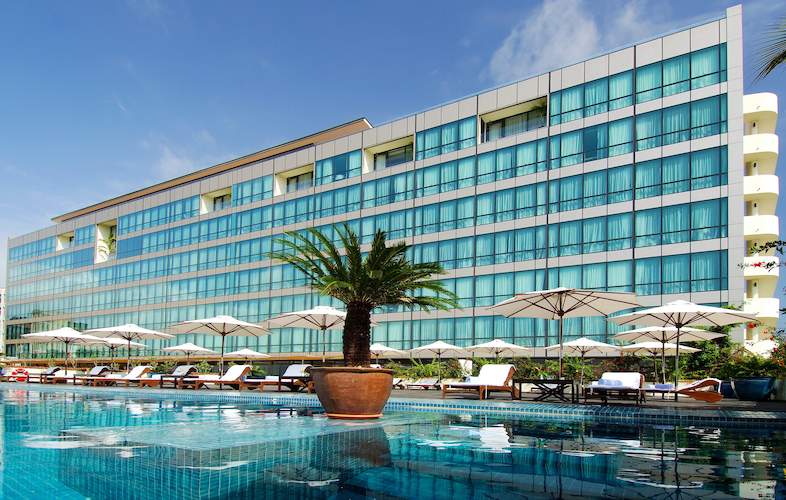
Industry estimates suggest that more than 65,000 new hotel rooms could open across Africa between 2026 and 2027, although some developments may take longer than planned to complete.
Nevertheless, tourism experts believe Tanzania is well positioned to benefit from the next wave of hospitality investment.
“The key will be maintaining investor confidence,” said tourism consultant Asha Karim. “If Tanzania continues improving infrastructure, airport connectivity and tourism promotion, it could capture a larger share of the region’s hotel investment.”
Growing regional competition
The rapid growth of hotel development across East Africa also reflects increasing competition among regional tourism hubs.
Cities such as Nairobi and Addis Ababa are emerging as major hospitality markets, particularly for business travel and international conferences.
However, analysts say Tanzania’s combination of wildlife tourism, beach destinations and cultural heritage gives it a strong competitive advantage. As new hotels come online and tourism infrastructure expands, Tanzania could further strengthen its position as one of Africa’s most attractive destinations for global travellers and investors alike.