
By Business Insider Reporter
Tanzania is set to take another major step in strengthening specialised healthcare services after the Jakaya Kikwete Cardiac Institute (JKCI) signed a memorandum of understanding with Chinese partners for the construction of a new state-of-the-art cardiac hospital.
The agreement, signed in Dar es Salaam, brings together JKCI and a team of specialists from the People’s Republic of China in a project expected to significantly enhance the country’s capacity to diagnose and treat heart diseases while reducing the need for patients to seek specialised care abroad.
The memorandum was signed by JKCI Executive Director Dr. Peter Kisenge and Yang Ling, Head of the Chinese Project Oversight Committee. Both sides confirmed that construction of the facility will commence once all required technical and administrative procedures are completed.
The planned hospital comes at a time when Tanzania is experiencing a growing burden of non-communicable diseases, particularly cardiovascular conditions, which have emerged as one of the leading causes of illness and death globally.
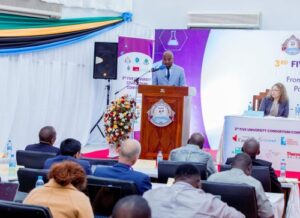
Speaking during the signing ceremony, Dr. Kisenge described the project as a transformative investment in Tanzania’s healthcare infrastructure.
“This project represents a major milestone in our efforts to strengthen specialised cardiac services and ensure that more Tanzanians can access world-class treatment closer to home,” he said.
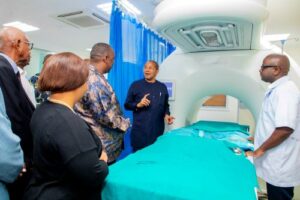
According to Dr. Kisenge, the new facility will expand JKCI’s ability to provide advanced diagnostic and treatment services while also creating a better working environment for healthcare professionals.
Beyond patient care, the hospital is expected to enhance medical research, specialist training and technology transfer, helping build a larger pool of highly skilled cardiac healthcare professionals in Tanzania.
Rising Demand for Specialised Care
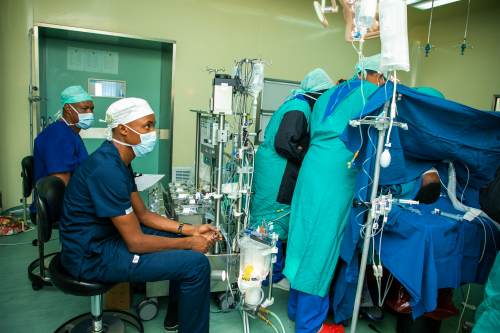
Over the past decade, JKCI has emerged as one of East Africa’s leading cardiac centres, performing thousands of heart surgeries and interventional procedures that were previously unavailable within the country.
The institute has played a crucial role in reducing overseas referrals, saving the government and patients millions of dollars in treatment costs while improving access to specialised healthcare services.
Health experts say demand for cardiac services is likely to continue rising as urbanisation, changing lifestyles and population growth contribute to an increase in heart-related illnesses.
The planned expansion is therefore expected to ease pressure on existing facilities while positioning Tanzania to serve not only domestic patients but also individuals from neighbouring countries seeking specialised treatment.
Supporting Tanzania’s Medical Tourism Ambitions
The project also aligns with the government’s broader strategy of strengthening specialised healthcare institutions and positioning Tanzania as a regional destination for medical services.
Under President Samia Suluhu Hassan’s administration, significant investments have been directed towards health infrastructure, specialised hospitals, modern medical equipment and workforce development.
These investments have enabled institutions such as JKCI, Muhimbili National Hospital and other specialised centres to expand services that previously required costly treatment abroad.
Dr. Kisenge noted that the new cardiac hospital forms part of the government’s efforts to reduce mortality from non-communicable diseases while ensuring citizens receive timely and high-quality treatment.
“The Sixth Phase Government has prioritised strengthening healthcare systems and improving access to specialised services. This project contributes directly to that vision,” he said.
Strengthening Tanzania-China Cooperation
The agreement further highlights growing cooperation between Tanzania and China in healthcare development, infrastructure and capacity building.
China has been a longstanding partner in Tanzania’s health sector, supporting medical facilities, equipment provision, training programmes and healthcare infrastructure projects over several decades.
The planned cardiac hospital is expected to deepen that partnership while contributing to Tanzania’s long-term objective of building a modern healthcare system capable of meeting the demands of a growing population. Once completed, the facility is expected to become one of the country’s most important investments in specialised cardiac care, further strengthening JKCI’s position as a centre of excellence in cardiovascular medicine and helping Tanzania advance its ambition of becoming a regional healthcare hub.