
By Correspondent Ramadhani Kissimba, Nairobi
Tanzania is seeking to deepen economic cooperation with China through the Belt and Road Initiative (BRI), prioritising strategic infrastructure projects designed to expand trade, attract investment and support long-term economic growth.
The government says cooperation under the initiative spans transport, energy, telecommunications and other infrastructure sectors, with projects intended to improve connectivity, stimulate industrial development and raise living standards.
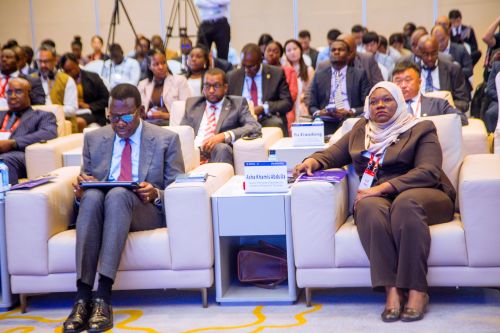
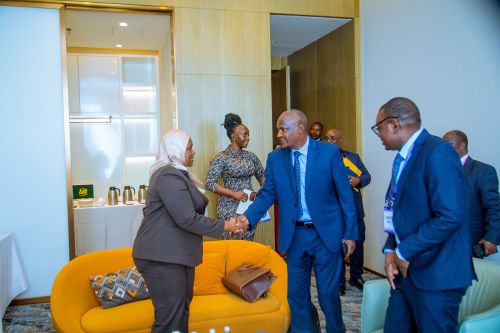
Speaking at the Belt and Road Initiative Forum in Nairobi, Kenya, Deputy Permanent Secretary in the Ministry of Finance, Asha Khamis Abdulla, representing Finance Minister Ambassador Khamis Mussa Omar, said the partnership with China continued to create opportunities in infrastructure development, trade and investment.
She described the BRI as an important platform for economic and financial cooperation, adding that Tanzania would pursue projects aligned with national development priorities and Development Vision 2050.
TAZARA revival at the centre of regional trade
One of the key projects highlighted was the rehabilitation and modernisation of the Tanzania-Zambia Railway Authority (TAZARA), which Tanzania is pursuing in cooperation with Zambia and China through a public-private partnership (PPP) arrangement.
The project is expected to improve freight transport efficiency, reduce cargo transportation costs and facilitate cross-border trade, strengthening links between Tanzania, Zambia and the wider Southern African region.
“Modernising the TAZARA railway is important for strengthening transport connectivity between Tanzania, Zambia and the wider Southern African region. Completing the project will open up more opportunities for trade and economic activity,” Abdulla said.
For businesses, improved rail capacity could provide an alternative to road freight, potentially easing logistics bottlenecks and improving access to regional markets. More efficient transport links could also support mining, agriculture, manufacturing and cross-border commerce.

The project’s wider economic impact, however, will depend on implementation, operational efficiency, freight demand and the railway’s ability to offer competitive and reliable services.
Infrastructure investment extends beyond rail
Abdulla said Tanzania valued its ongoing cooperation with the Chinese government and the Export-Import Bank of China in implementing priority development projects.
These include electricity transmission infrastructure, rural telecommunications, water services and sustainable urban transport systems.
Such investments can help address infrastructure gaps that constrain business growth, particularly where reliable electricity, communications and transport are essential to expanding production and reaching customers.
Improved rural connectivity could support digital services and commercial activity beyond major cities, while better water infrastructure and urban transport could strengthen productivity and improve access to essential services.
Tanzania aims to use these partnerships to attract further investment, expand economic opportunities and strengthen the competitiveness of its economy.
Aligning Chinese cooperation with Vision 2050
The BRI provides a framework for Tanzania to pursue infrastructure and investment projects alongside its longer-term economic ambitions.
Tanzania and China signed a memorandum of understanding on cooperation under the initiative in September 2018, establishing a basis for collaboration across several development sectors.
Abdulla said Tanzania would continue working with China and other international partners to implement projects consistent with national priorities, with the aim of increasing productivity, supporting industrial transformation and improving citizens’ welfare.
The Belt and Road Initiative Forum was held alongside the 2026 Financial Street Forum annual meeting, providing an opportunity to discuss financial cooperation, investment, infrastructure and shared development priorities.
For Tanzania, the economic test will be whether the partnership translates into completed infrastructure, lower business costs, stronger trade flows and investment that generates sustainable returns.
The modernisation of TAZARA, in particular, could become an important link between infrastructure investment and regional economic integration if it delivers dependable freight services at competitive prices. As Tanzania advances its Development Vision 2050 agenda, the effectiveness of its cooperation with China will depend not only on the scale of investment but also on project delivery, financial sustainability and the measurable benefits generated for businesses and communities.