
By A Special Correspondent
Tanzania has invested more than TSh60 billion in the Ocean Road Cancer Institute (ORCI) over five years to modernise cancer diagnosis and treatment, expand radiotherapy capacity and strengthen access to specialised healthcare.
The investment has supported improvements in infrastructure and the acquisition of advanced medical equipment, including a positron emission tomography-computed tomography (PET-CT) scanner, mammography machines and three additional radiotherapy machines.
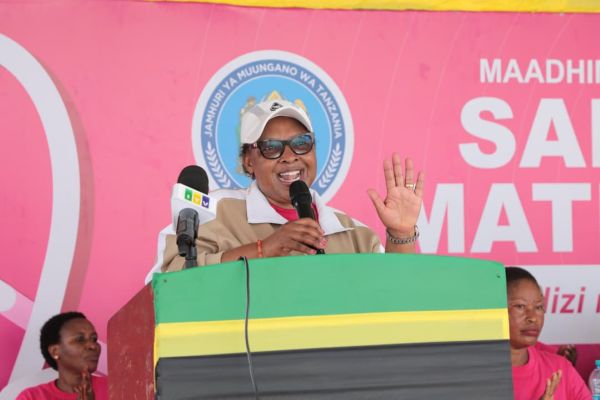
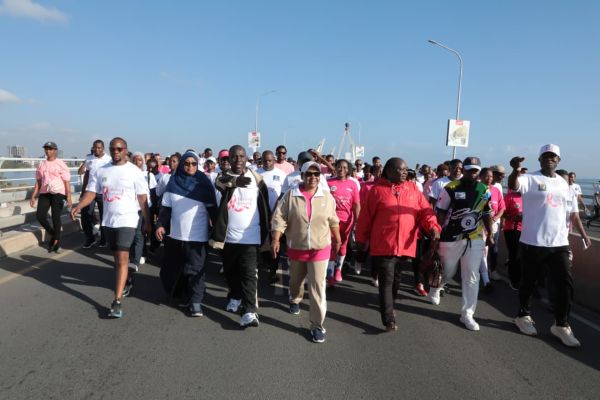
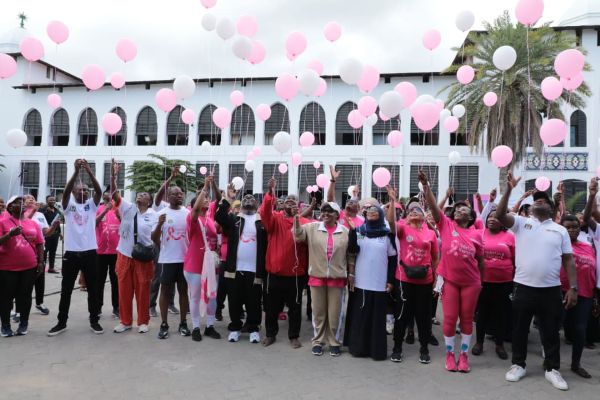
Deputy Minister for Health Florence Samizi announced the investment in Dar es Salaam while representing Health Minister Mohamed Mchengerwa at a special walk organised at ORCI to mark Breast Cancer Awareness Month.
She said the new equipment was strengthening specialists’ ability to detect cancer, assess its spread and develop appropriate treatment plans based on individual patients’ conditions.
“Through this investment, the government has enabled the installation of modern cancer diagnostic equipment, including PET-CT scanning and modern mammography machines for breast cancer screening,” Dr Samizi said.
For Tanzania’s healthcare system, investment in diagnostic and treatment capacity is important because early detection and timely access to appropriate care can improve outcomes for many cancer patients.
Radiotherapy expansion targets shorter treatment
The government has also added three radiotherapy machines at ORCI to increase treatment capacity, improve precision and reduce treatment times for eligible patients.
Dr Samizi said the objective was to shorten some radiotherapy treatment courses from 14 weeks to as little as two weeks, depending on the type of cancer and the treatment plan determined by specialists.
The potential reduction in treatment duration could ease the burden on patients who must travel to Dar es Salaam for care, while helping the institute manage demand for its services.
Shorter treatment courses are not suitable for every patient, however. The appropriate schedule depends on the cancer type, its stage, the treatment technique and clinical assessment.
From an operational perspective, additional radiotherapy capacity could help improve patient throughput, although actual gains will depend on staffing, equipment availability, maintenance and treatment scheduling.
Expanding cancer services beyond Dar es Salaam
The government is also pursuing the decentralisation of cancer services to reduce geographical barriers to diagnosis and treatment.
Dr Samizi said services were being expanded through zonal hospitals and specialised centres, including Kilimanjaro Christian Medical Centre (KCMC) in the Kilimanjaro Region.
Preparations to establish cancer services at Benjamin Mkapa Hospital in Dodoma were also in their final stages, she said.
Expanding services beyond Dar es Salaam could reduce travel and accommodation costs for patients and their families while improving access to timely care. It could also help distribute demand more evenly across the healthcare system.
The long-term benefits will depend on whether regional facilities have adequate specialists, equipment, diagnostic support and referral arrangements to deliver reliable services.
ORCI calls for early screening
ORCI Executive Director Diwani Msemo said the more than TSh60 billion investment had strengthened the institute’s infrastructure, technology and capacity to provide cancer prevention, screening and treatment services.
He urged citizens to use available health services and follow medical advice, stressing the importance of early screening and timely treatment.
Breast cancer survivor Kelvina Kusigwa also thanked the government and ORCI for enabling her to receive eight months of treatment. She encouraged patients not to lose hope and urged communities to provide emotional and practical support to people undergoing treatment.
“Cancer patients need to receive treatment services on time and social support from people facing the disease,” she said.
The awareness walk formed part of broader efforts to reduce fear and stigma surrounding breast cancer and encourage people to seek screening and medical advice. For Tanzania, the investment in ORCI represents a significant commitment to specialised healthcare infrastructure. Its lasting impact will be measured not only by the equipment acquired, but also by improved access, timely diagnosis, treatment outcomes and the affordability of cancer services for patients across the country.