
Utility giant pushes for faster completion of strategic Hale hydropower rehabilitation project as Tanzania accelerates multi-trillion-shilling investments to strengthen energy reliability and industrial growth.
By Business Insider Reporter
Tanzania Electric Supply Company (Tanesco) has intensified pressure on the contractor handling the rehabilitation of the historic Hale Hydropower Station in Tanga Region, after expressing dissatisfaction with repeated project delays that threaten the timely completion of one of the country’s important electricity infrastructure upgrades.
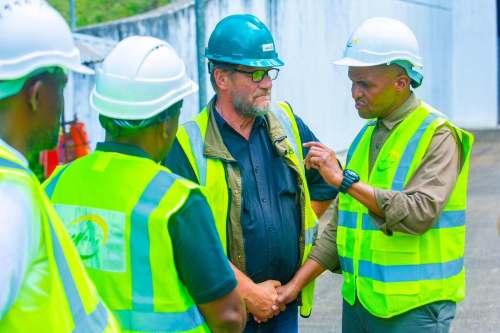
Tanesco Managing Director, Lazaro Twange, said the utility is no longer comfortable with the pace of implementation at the Hale project, which has been under rehabilitation since 2022.
Speaking during an inspection tour of the Hale power station and the Pangani River dam desilting project in Korogwe District on May 22, Twange directed the contractor to immediately accelerate construction activities by increasing manpower, equipment deployment and working hours to ensure the project is completed within the agreed timeline.
“I am not satisfied with the progress,” said Twange. “The contractor has already requested two extensions and I have now received information that preparations are underway to request a third extension. That is why I came personally to assess what is happening.”
The Hale rehabilitation project is part of Tanzania’s wider strategy to modernise aging power infrastructure while expanding electricity access to support industrialisation, mining, urban growth and regional investment expansion.
According to Tanesco, the project consists of seven implementation components, with two already completed while work continues on the remaining sections.
Twange said he had held discussions with the supervising engineer, project consultants and the contractor, directing all parties to work jointly toward ensuring the project is completed by the end of July 2026.
The Hale Hydropower Station is one of Tanzania’s oldest electricity generation facilities and forms part of the Pangani hydropower system, which has historically supplied electricity to northern Tanzania, including Tanga, Kilimanjaro and parts of Arusha regions.
Although newer projects such as the Julius Nyerere Hydropower Project are reshaping Tanzania’s energy landscape, the government continues to invest heavily in rehabilitating older hydropower assets to improve generation efficiency, reduce technical losses and strengthen grid stability.
Energy analysts say rehabilitation of legacy hydropower stations remains critical for Tanzania as electricity demand continues to rise alongside rapid urbanisation, manufacturing growth and increased investment in strategic sectors.
The inspection also covered the Pangani River dam cleaning and desilting project, which Tanesco considers crucial for protecting the long-term operational efficiency of the hydropower system.
Twange said the utility expects the desilting works to be completed before the next major rainy season in order to avoid operational disruptions and sediment accumulation that could affect water flow and turbine performance.
“Our target is to complete the work within one year and avoid extending into the next rainy season,” he said.
The Pangani Basin remains one of Tanzania’s most strategically important water and energy corridors, supporting hydropower generation, agriculture and industrial activities across northern Tanzania.
At the same time, Tanesco is undertaking one of the largest electricity infrastructure expansion programmes in the country’s history. Twange revealed that the state utility is currently implementing power development projects worth more than TSh13.4 trillion nationwide.
The investments include new transmission lines, substations, rural electrification projects, renewable energy integration and upgrades to generation infrastructure aimed at supporting Tanzania’s long-term economic transformation agenda.
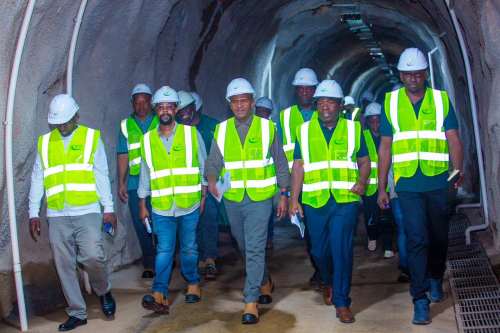
Project Manager Engineer Kulwa Byemelo said the directives issued by the Tanesco chief executive would be implemented to ensure timely completion of the Hale project.
Once completed, the upgraded facility is expected to strengthen electricity reliability in several districts supplied through the Hale network, including Handeni, Muheza and Korogwe.
The rehabilitation comes at a time when Tanzania is aggressively positioning itself as an emerging industrial economy under the government’s broader development agenda, with reliable electricity increasingly viewed as a cornerstone for attracting manufacturing investment, logistics infrastructure and value-added industries.