By Business Insider Reporter
The Prime Minister, Dr. Mwigulu Nchemba, has urged civil servants to abandon “business as usual” and embrace bold, results-driven leadership as Tanzania embarks on the implementation of Dira 2050, the country’s long-term development blueprint aimed at transforming the nation into a US$ 1 trillion economy by 2050.
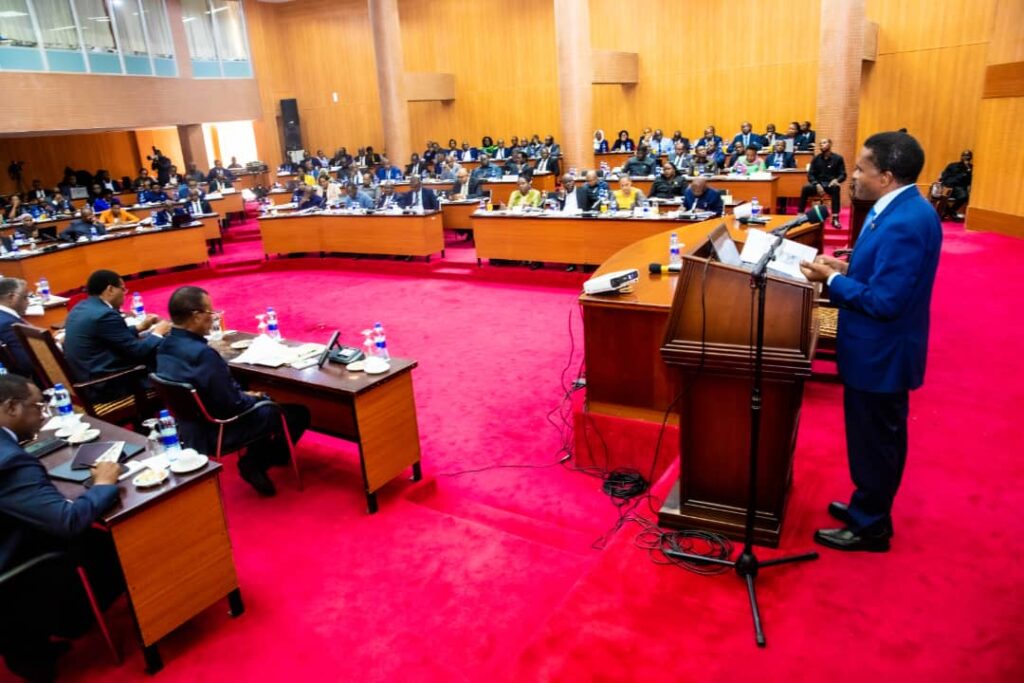
The Prime Minister made the call yesterday, January 13, 2026, during a high-level working meeting that brought together Ministers, Deputy Ministers, Permanent Secretaries and their Deputies, chief executive officers of public institutions, the Executive Secretary of the National Planning Commission (NPC) and the Treasury Registrar. The meeting focused on the roadmap for implementing Dira 2050.
Addressing more than 300 senior decision-makers, Dr. Nchemba said those present represented the core leadership of government and were therefore expected to steer their ministries and institutions towards delivering tangible outcomes for citizens.
“When people speak about the government, they are referring to all of us in this room. Let us go and implement, decisively, what Dira 2050 has set out. Leadership is not about staying quiet. It is better to make decisions – even if mistakes occur – than to remain silent and call that wisdom,” he said.
Dr. Nchemba noted that the outgoing Vision 2025, which concludes on 30 June 2026, had laid a strong foundation for the next development phase, making it imperative for public servants to move swiftly and decisively as the country transitions to Dira 2050.
Private sector as the engine of growth
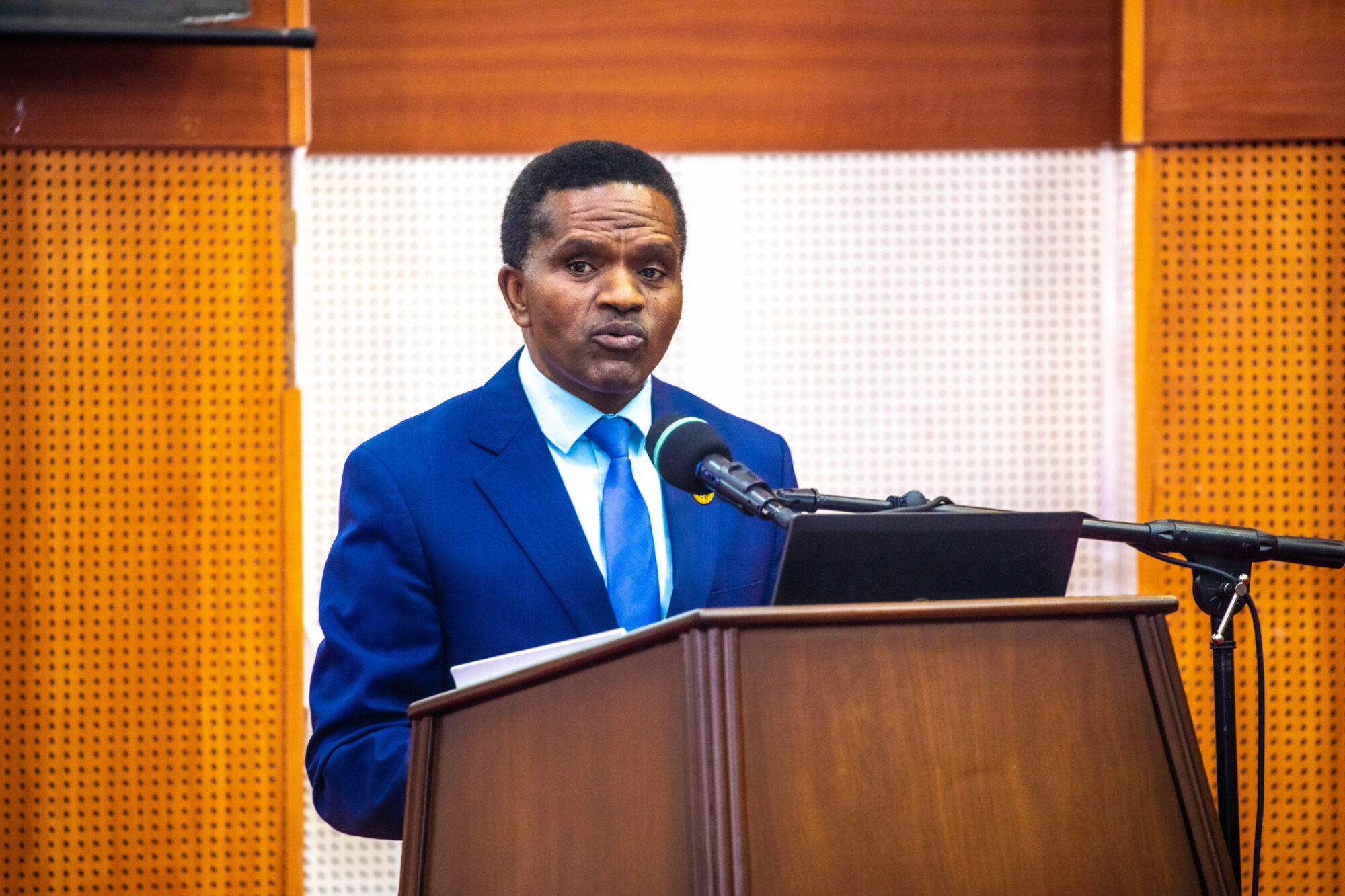
Earlier, Minister of State for Planning and Investment Prof. Kitila Mkumbo described Dira 2050 as the most comprehensive long-term vision Tanzania has ever developed, placing the private sector at the centre of economic transformation.
According to Prof. Mkumbo, the financing model for Dira 2050 envisages 70 percent of investment coming from the private sector, 22 percent from government, and 8 percent from direct investment by public corporations.
“The private sector will not merely be a participant,” he said. “Government will actively involve it by providing a predictable, enabling business and investment environment to allow enterprises to grow and drive industrialisation.”
As part of a broader shift away from entrenched practices, Prof. Mkumbo announced that chief executive officers and board members of public enterprises will now be appointed through a competitive, interview-based process, with the appointment of board chairpersons reserved for the highest authority.
Implementation roadmap taking shape
Presenting the implementation framework, NPC Executive Secretary Dr. Fred Msemwa said the government had completed the preparation and approval of Dira 2050, alongside the Long-Term Perspective Plan and the Five-Year Development Plan.
He added that work was underway to align the Annual Development Plan with the government budget cycle for 2026/27, which will mark the first year of Dira 2050 implementation.
To support execution, the NPC has already finalised National Planning Guidelines and Development Projects Management Guidelines, which will guide ministries, independent departments, public corporations and agencies in preparing and implementing aligned plans.
Strengthening state enterprises
In a separate presentation, Treasury Registrar Nehemia Mchechu said reforms were underway to strengthen state-owned enterprises in terms of leadership quality, governance and financial sustainability.
He noted that the goal was to reduce – and in some cases eliminate – reliance on government subsidies, enabling public enterprises to operate competitively and contribute more meaningfully to national development. As Tanzania prepares to roll out Dira 2050, the message from the country’s top leadership was clear: achieving a trillion-dollar economy will require decisive leadership, private sector-driven growth and a decisive break from business as usual across the public service.