
For small enterprises and special groups across Tanzania, the government’s electronic procurement system is creating opportunities to win contracts, generate employment and build more sustainable livelihoods.
By Business Insider Reporter
For years, government tenders appeared beyond the reach of many small entrepreneurs, women’s groups, young people and people with disabilities. Limited knowledge of procurement procedures and difficulties identifying opportunities often prevented them from competing for public contracts.
Testimonies from beneficiaries of the Public Procurement Regulatory Authority’s (PPRA) NeST electronic procurement system suggest that access is improving, with groups winning contracts to manufacture school desks, clean roads, supply goods, provide catering and undertake other services.
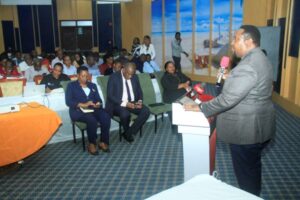
They gave the testimonies at a meeting which brought together PPRA management and media under the coordination of Office of the Treasury Registrar (OTR).
For Ali Mvunyo, chairman of the youth group Ulikuwa Tupo Fun, the change has been substantial. He says the group has undertaken public procurement work worth more than TSh1.5 billion since joining NeST in 2023.
Its latest major opportunity is a TSh561 million contract from Temeke Municipal Council to manufacture 4,000 school desks.
Mvunyo says the group has created employment for more than 50 young people and improved members’ living standards. He encourages other young people to organise themselves, register and pursue available contracts rather than wait for formal employment.
The group’s administrator, Omari Hassani, says members have learned to navigate the system using online tutorials and other available guidance.
Women turn services into businesses
Women’s groups are also using procurement opportunities to build more organised enterprises.
Rehema Sultan Katundu, chairperson of Umoja wa Wanawake Usafi na Mazingira in Kinondoni, says members initially worked as street sweepers before deciding to seek cleaning contracts through public procurement.
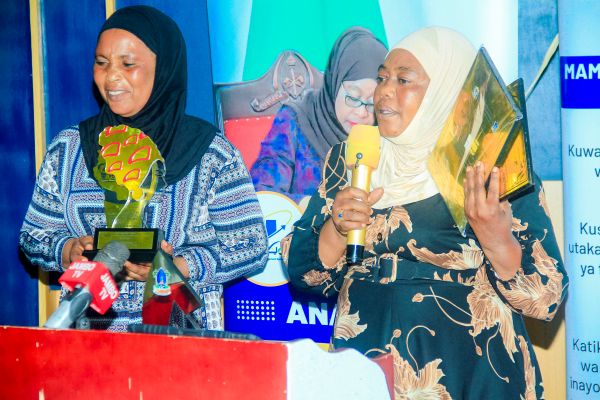
The group subsequently secured cleaning work in Kinondoni, including along the Mwenge–TRA road and around Makumbusho. Katundu says the municipality pays the group TSh85 million, although her testimony does not specify the payment period or whether the figure represents a single contract.
Group secretary Christina Figa credits guidance from PPRA and municipal officials with helping members understand the process. She wants similar support extended to other women with limited experience of procurement.
Neshi Karmalali Mlinga, chairperson of Wedding Women Group, says the eight-member enterprise has secured tenders worth more than TSh100 million since joining NeST last year. Its activities include catering, supplying goods and cleaning.
Hara Ines Liyaga, chairperson of the five-member Mama Lishe group, also describes opportunities to provide catering services to institutions and other organisations. Another catering group based in Chanika reports earning close to TSh100 million over a year through contracts, including work for Mzumbe and NBC.
These accounts show how public procurement can create opportunities beyond construction and manufacturing, allowing service-based businesses to compete for work suited to their capabilities.
Young people enter manufacturing and supply
Young entrepreneurs are also using contracts to establish track records in supplying goods.
Rais Sheikh Mkindo, chairman of Mkwangu Youth, says the group won a TSh7.825 million contract to print T-shirts for the 2025/26 Uhuru Torch events. It also secured tenders worth Sh55 million in the previous year.
In Njombe, Haris Youth Group won its first contract, worth TSh9 million, to supply school desks. Its chairperson says the group completed the work and delivered the desks on time.
Meanwhile, Majeni Youth Organization, a five-member group in Makete District, secured a TSh23.642 million contract to supply construction materials, according to member Kripo Juma Tolomeo Mahenge.
The experiences highlight the importance of matching contracts to a group’s capacity, working capital and ability to meet delivery requirements.
Contracts create jobs beyond beneficiaries
The economic benefits can extend beyond the groups winning tenders.
Stanley Willis Mkurungu, managing director of Okoa Wazee, says the group has undertaken road-maintenance work, including clearing vegetation and opening drainage channels. One project along the Kasansa–Muze–Kurukwa road was valued at TSh54.813 million.
He says the group employs residents from communities where it operates, extending the benefits of public expenditure to people outside the enterprise.
Felix Mgasela, administrator and secretary of Shamba Queen youth group, cites road-cleaning and drainage-maintenance contracts through TARURA and TANROADS. These include work worth about Sh30 million for TARURA and another assignment valued at more than Sh200 million along Mandela Road.
Asha Abdurrahman Mohamed, treasurer of Mama Group in Ubungo, says waste-collection work has also improved the group’s circumstances.
Inclusion through economic opportunity
Some beneficiaries face additional barriers to employment and business participation.
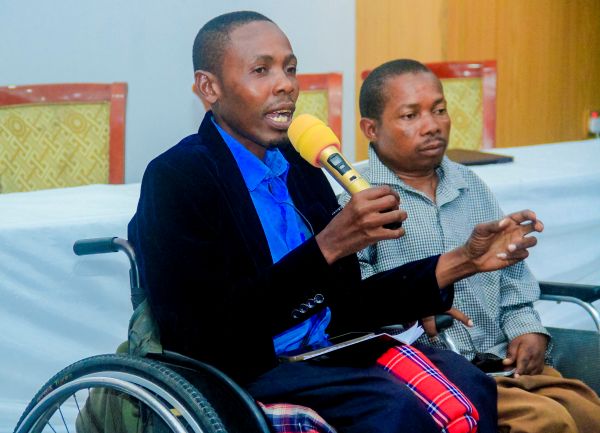
Kibwende Linus, chairman of a six-member group of people with disabilities registered with Ubungo Municipal Council, says members transport passengers’ luggage using handcarts at Magufuli bus terminal.
During busy periods, the group can operate as many as 30 carts in one shift, earning more than Tsh300,000 in two shifts.
Goodwill Linus Mwinyishi, chairman of Nyota Bora, which represents luggage handlers at Magufuli Bus Terminal, says guidance from PPRA staff and regional officials helped members understand how to access government empowerment opportunities. He says the resulting income has helped members support their families.
Older people are also benefiting. Fikiri Magafu, chairman of Mshikamano wa Wazee in Ilemela, Mwanza, says the group secured contracts to clean Kirumba International Fish Market during the 2025/26 and 2026/27 financial years.
For these groups, procurement provides not only income but also a way to participate more actively in the local economy.
Wider access remains the test
The testimonies present NeST as more than a platform for submitting tenders: it can connect small enterprises with public contracts, employment and opportunities to grow. However, beneficiaries’ experiences also reveal the importance of practical guidance. Some initially lacked the knowledge to navigate procurement procedures, while others depended on assistance from PPRA and local authorities.