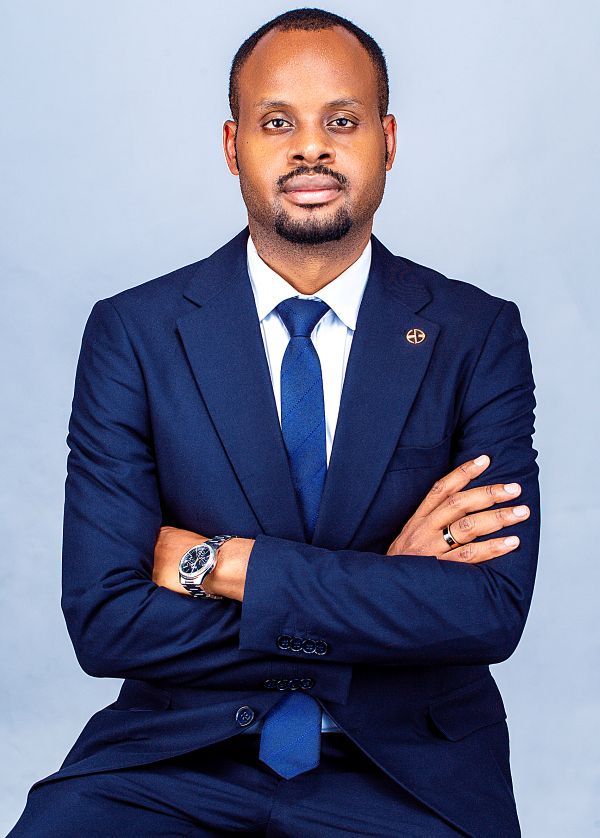
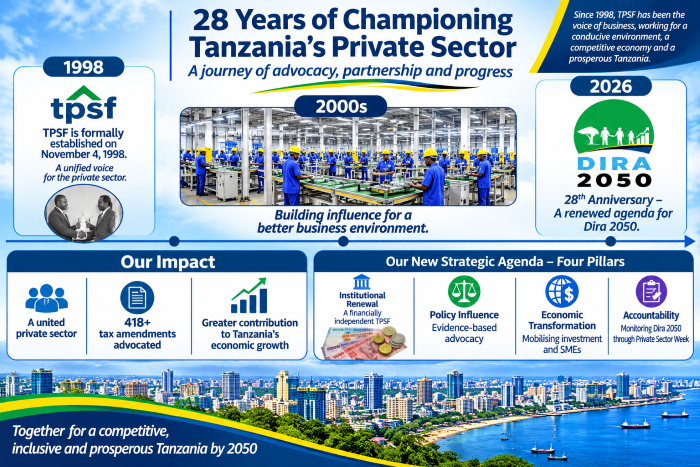
- In this interview, Tanzania Private Sector Federation (TPSF) Chief Executive Officer Deogratius Massawe reflects on the organisation’s 28-year journey, outlining the new leadership’s priorities, institutional reforms, key achievements and persistent business-environment challenges, as well as its plans to strengthen private-sector participation in driving the country’s socio-economic transformation under Dira 2050. Excerpts.
TPSF’S NEW LEADERSHIP AND STRATEGIC PRIORITIES
Q: Following the recent AGM, Angelina Ngalula has been retained as President supported by two Vice Presidents, while you have been confirmed as substantive CEO. What are the new leadership’s three main priorities, and what results should members and the wider business community expect?
A: Our priorities are institutional sustainability, broader representation and stronger policy influence. We want to build a financially sustainable Federation owned by its members, expand participation by SMEs and young entrepreneurs, particularly outside Dar es Salaam, and strengthen our influence on policies affecting business. Members should expect a more inclusive institution that delivers measurable value through effective advocacy and representation.
STRENGTHENING MEMBER PARTICIPATION AND INSTITUTIONAL OWNERSHIP
Q: As TPSF marks 28 years of private-sector representation, how will the Federation use this milestone to strengthen unity and member participation?
A: The 24th AGM reaffirmed the importance of collective leadership and a unified private-sector voice. However, TPSF’s strength ultimately depends on its members. We want businesses to take greater ownership of the Federation, participate actively through their associations and help shape its agenda. A stronger TPSF requires members not merely to expect representation, but to actively contribute to it.
TPSF’S RECORD IN POLICY AND TAX ADVOCACY
Q: What tangible results has TPSF achieved through its policy and tax advocacy, and how will the new leadership ensure that members’ concerns translate into policy changes?
A: TPSF has contributed to more than 418 tax amendments. In the 2025/26 financial year, we submitted 102 proposals: 35 were accepted, 31 deferred and 36 dropped. We have also challenged measures such as freezing business bank accounts over outstanding tax liabilities, advocating dialogue and workable payment arrangements instead. Our priority is to improve the quality of proposals and ensure that more sectors are represented in policy-making.
TURNING ADVOCACY INTO PRACTICAL RESULTS
Q: Can you cite an example where TPSF’s engagement with Government has delivered tangible benefits for businesses, and how will the Federation build on such results?
A: A good example is the port charge initially proposed at nine percent, which was reduced to 1.5 percent for the manufacturing sector following engagement. This demonstrates why advocacy must be grounded in evidence of how policies affect production, investment and competitiveness. We will strengthen consultation with affected sectors and present practical solutions that support business growth and national development.
MOBILISING PRIVATE-SECTOR INVESTMENT FOR DIRA 2050
Q: Dira 2050 envisages the private sector providing about 70 percent of the financing required to implement the new national development blueprint. Is Tanzania’s private sector prepared to meet this expectation, and what is needed to unlock domestic investment?
A: The private sector can play a leading role, but this requires a conducive business environment: predictable policies, efficient regulation, reliable infrastructure and access to finance.Local content policies should create more opportunities for domestic enterprises. Banks such as CRDB and NMB can mobilise capital, but financing must be matched with viable projects. Businesses must also improve productivity, innovation and competitiveness.
MAKING GOVERNMENT-PRIVATE SECTOR DIALOGUE MORE EFFECTIVE
Q: What needs to change in the existing Government-private sector engagement framework to ensure that dialogue leads to action rather than repeated discussions?
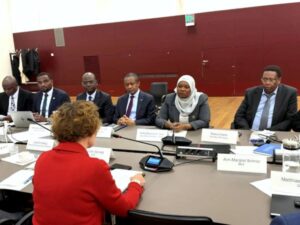
A: Engagement must be regular, structured and focused on resolving specific constraints. It should not be limited to periods of crisis or policy reviews. There must also be clear follow-up, with agreed actions, responsible institutions and feedback on implementation. TPSF’s role is to ensure that private-sector concerns are presented constructively and that commitments translate into improvements in the business environment.
GIVING SMES AND BUSINESSES BEYOND DAR ES SALAAM A STRONGER VOICE
Q: How will TPSF address the under-representation of SMEs, young entrepreneurs and businesses outside Dar es Salaam in national policy discussions?
A: We intend to expand regional outreach and strengthen participation by smaller enterprises and young entrepreneurs. The revision of the MSME policy, replacing the 2003 framework, provides an opportunity to address changing business needs. TPSF will advocate improved access to finance, markets, technology and business development services, while ensuring that SME concerns inform national policy.
POSITIONING TANZANIA AS A REGIONAL INVESTMENT AND MANUFACTURING HUB
Q: How can the private sector capitalise on Tanzania’s geographical position, infrastructure and regional markets to advance industrialisation and trade?
A: Tanzania is well positioned to serve markets in Uganda, the Democratic Republic of Congo, Burundi, Rwanda, Zambia, and the whole Great Lakes region. Our ports, transport networks and industrial infrastructure provide a strong foundation for regional trade. Special Economic Zones such as the proposed Bagamoyo Maritime Economic Zone could strengthen our position as a manufacturing and distribution hub. TPSF will promote investment opportunities, advocate competitive policies and encourage partnerships that bring capital and technology to local businesses.
TANZANIA’S BUSINESS ENVIRONMENT AND ECONOMIC OUTLOOK
Q: With economic growth above six percent and inflation relatively controlled, how does the private sector assess the business environment, and what challenges require urgent attention?
A: The economy has demonstrated resilience, creating a positive foundation for investment. We have also seen greater recognition within Government institutions, including TRA, of the need to improve laws, procedures and regulation. However, high business costs, regulatory uncertainty and inconsistent policy implementation remain concerns. Growth must translate into stronger investment, business opportunities and employment.
THE PROPOSED PRIVATE SECTOR WEEK AND ACCOUNTABILITY UNDER DIRA 2050
Q: TPSF plans to introduce an annual Private Sector Week in the 2027/28 financial year. What will the initiative achieve, particularly in strengthening accountability for Dira 2050?A: The platform will bring Government and businesses together to review economic priorities, investment and employment performance, and progress against agreed commitments. It will also assess the respective contributions of Government and the private sector to Dira 2050. The objective is to turn dialogue into practical recommendations, greater accountability and measurable progress.