
By Business Insider Correspondent, Berlin
Tanzania has secured a commitment of up to €116 million in new concessional financing from Germany to support strategic investments in water supply and electricity infrastructure, strengthening a development partnership that has lasted more than six decades.
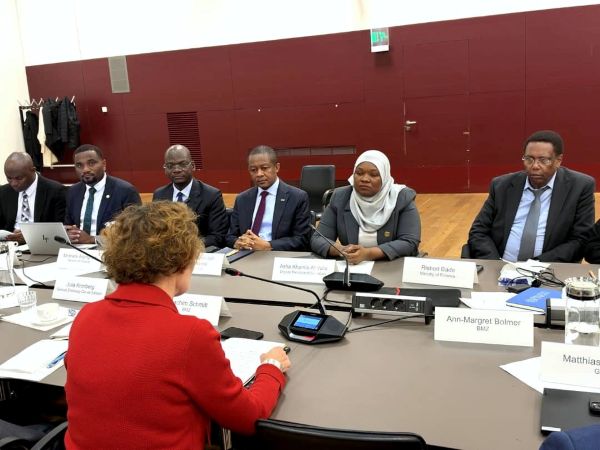
The financing commitment follows two days of bilateral development cooperation negotiations held in Berlin on November 18 and 19, 2026, which concluded with the signing of a Memorandum of Understanding (MoU) setting out priorities for cooperation between the two countries over the coming years.
The agreement was signed on behalf of Tanzania by the Ministry of Finance’s Deputy Permanent Secretary, Asha Khamis Abdulla, and Christine Toetzke, Director-General responsible for bilateral cooperation at Germany’s Federal Ministry for Economic Cooperation and Development (BMZ), representing the German government.
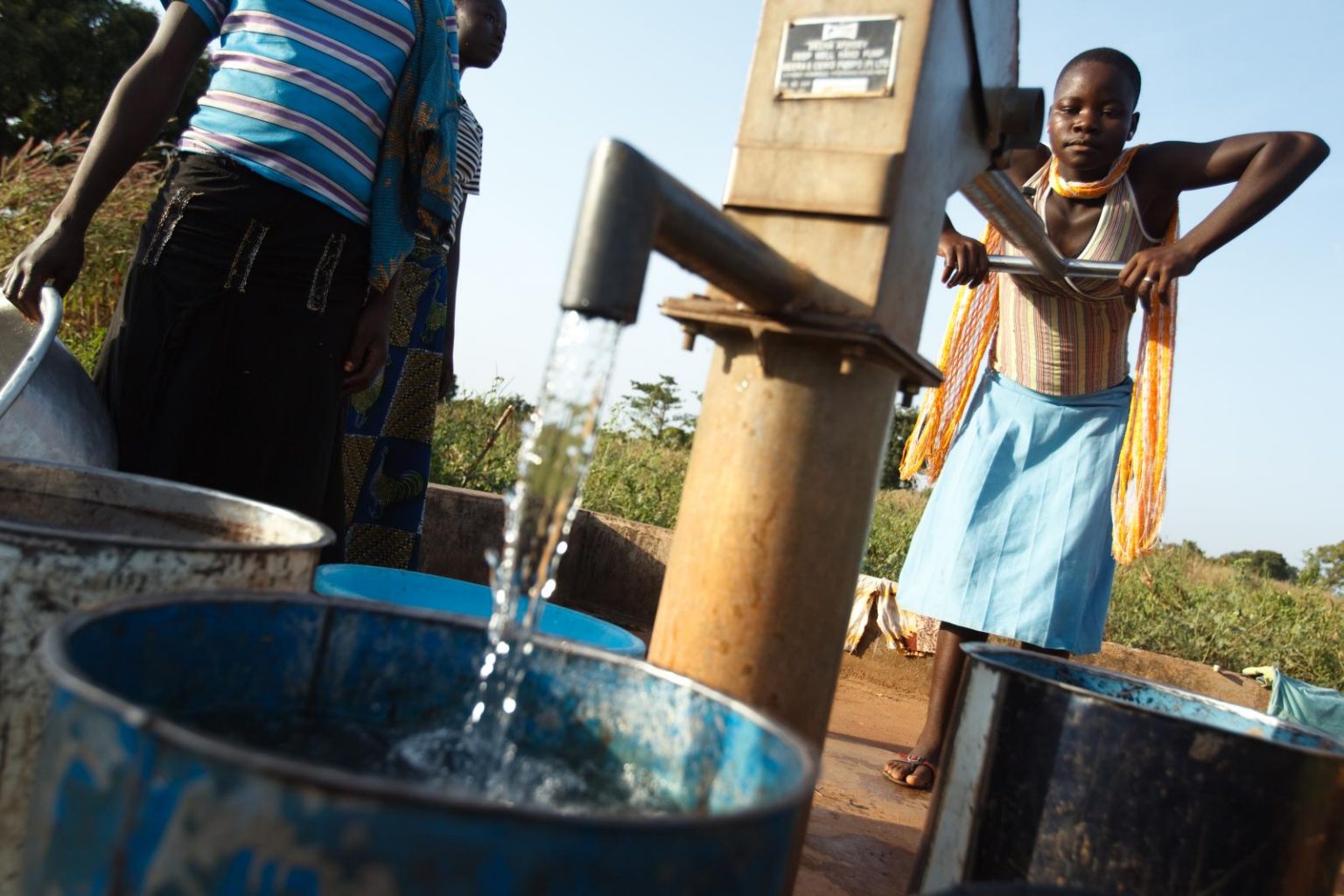
Under the proposed financing arrangement, up to €50 million will support the third phase of the Lake Victoria Water Supply and Sanitation Project (LVWATSAN III) in Mwanza Region.
A further €50 million has been earmarked for electricity infrastructure improvements, including the rehabilitation of the Kidatu Hydropower Station and expansion of the Ifakara electricity substation, both in Morogoro Region.
The remaining €16 million will be provided as technical cooperation funding to strengthen public financial management, accelerate digital transformation, improve water services in mainland Tanzania and Zanzibar, and expand access to justice for women and children.
The proposed package brings together infrastructure financing and institutional support, reflecting the two governments’ intention to address both the physical infrastructure gaps and governance challenges that influence the delivery of public services and economic growth.
Infrastructure investment at the centre
The water and energy components are particularly significant for Tanzania’s development ambitions, as reliable access to these services remains essential to industrial expansion, business competitiveness and improved living standards.
Investment in the Lake Victoria Water Supply and Sanitation Project is expected to support efforts to improve access to clean water and sanitation services in Mwanza, one of the country’s important commercial and urban centres.
Growing urban populations and expanding economic activities have increased pressure on water infrastructure, making investment in treatment, distribution and sanitation systems increasingly important.
In the energy sector, the proposed rehabilitation of Kidatu and expansion of the Ifakara electricity facility are intended to strengthen electricity infrastructure and support the reliability of power supply.
Kidatu is among Tanzania’s established hydropower generation facilities, forming part of the country’s electricity generation network. Its rehabilitation is important in maintaining the performance and reliability of existing generation assets.
Similarly, strengthening electricity infrastructure around Ifakara will contribute to the wider capacity of the national power network to accommodate growing demand.
For businesses, reliable electricity and adequate water supply are not simply public service considerations. They are fundamental inputs into production, investment decisions and the cost of doing business.
Tanzania aligns cooperation with Dira 2050
Speaking on behalf of the Ministry of Finance’s Permanent Secretary, Dr. Natu El-Maanry Mwamba, Ms Abdulla stressed that development cooperation with Germany must be aligned with Tanzania’s long-term development priorities, particularly Dira 2050 and the Fourth Five-Year National Development Plan (FYDP IV).
She said cooperation should reflect government priorities while contributing to economic growth, improved social services and better living standards.
Ms Abdulla also emphasised the importance of productive use of financial resources, sustainable public debt management, proper project preparation and stronger coordination in implementing development projects financed by external partners.
Her remarks underline the government’s position that development financing should be assessed not only by the amount of money committed, but also by the quality of projects, their economic returns and their contribution to national development objectives.
The emphasis on debt sustainability is particularly relevant as Tanzania seeks to mobilise resources for major infrastructure investments while maintaining fiscal discipline.
Concessional financing can help reduce the cost of funding development projects compared with commercial borrowing, although its long-term value ultimately depends on effective implementation, financial management and the economic benefits generated.
Germany reaffirms commitment
On the German side, delegation leader Ms. Kofler described Tanzania as a reliable development partner, reaffirming Germany’s commitment to supporting economic and development projects based on the country’s priorities.
She said German financing commitments were intended to support projects that respond to Tanzania’s development needs and deliver benefits to its people.
The negotiations covered a broader range of cooperation areas beyond water and electricity, including public financial management, digital transformation, access to justice, healthcare, social services and environmental conservation.
These areas reflect the increasingly interconnected nature of development, where infrastructure investment must be accompanied by stronger institutions, effective public administration and improved access to essential services.
The technical cooperation component is particularly important in this regard. Strengthening public financial management and digital systems can improve government efficiency, accountability and the management of public resources.
Likewise, support for access to justice, particularly for women and children, adds an important social dimension to the economic cooperation framework.
A partnership spanning more than 60 years
The signing of the MoU marks another milestone in development cooperation between Tanzania and Germany, which has continued for more than 60 years.
Over that period, the two countries have worked together on a range of economic and social development initiatives, with cooperation evolving alongside Tanzania’s changing development priorities.
The latest agreement places greater emphasis on linking development assistance to national planning, infrastructure expansion and institutional capacity.
For Tanzania, the challenge will be to translate the financing commitments into well-prepared projects that are implemented on schedule, deliver measurable results and generate lasting economic and social returns.
With Dira 2050 setting an ambitious long-term development course, partnerships that mobilise affordable capital, technical expertise and institutional support will remain important. The Berlin agreement therefore represents more than a new financing commitment. It provides a framework through which Tanzania and Germany intend to channel their longstanding relationship towards infrastructure development, stronger public institutions and the country’s broader economic transformation.