
By Correspondent Peter Haule
Tanzania is looking to expand access to affordable finance for women and young entrepreneurs by strengthening financial literacy, widening access to capital and using digital technology to reach people underserved by conventional banking services.
The government says these interventions are essential to ensuring that women and young people can participate more effectively in economic activities, grow businesses and create employment.
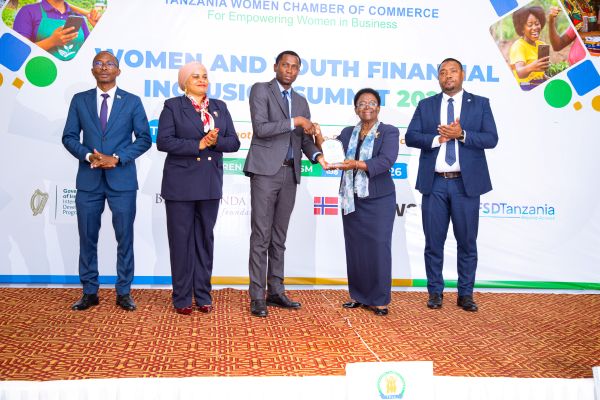
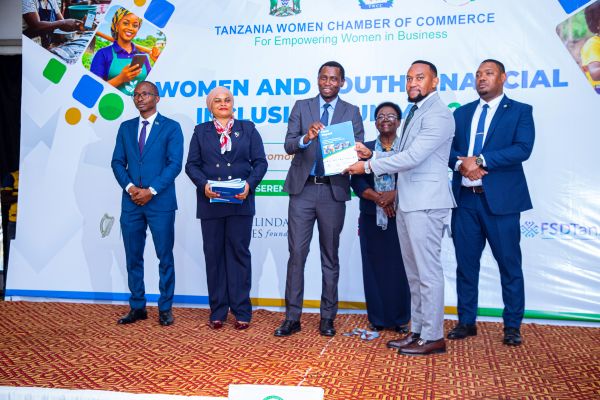
Deputy Minister for Finance Laurent Deogratius Luswetula, representing Finance Minister Ambassador Khamis Mussa Omar, outlined the priorities at the Women and Youth Financial Inclusion Summit held at Serena Hotel in Dar es Salaam.
He said financial literacy, access to capital and affordable financial services must be addressed together if financial inclusion is to translate into meaningful economic opportunities.
Financial education, he noted, enables people to manage their income, plan expenditure, save regularly and borrow responsibly. Digital financial services, meanwhile, offer an opportunity to extend banking and payment services to communities that remain beyond the reach of traditional financial institutions.
However, expanding digital access alone will not solve the financing challenges facing small businesses, particularly those owned by women and young people.
Luswetula identified the lack of acceptable collateral as one of the major obstacles preventing small-scale entrepreneurs from accessing formal credit. He urged financial institutions to reconsider conventional lending practices and develop products that reflect the realities of small businesses.
One proposed approach is to make greater use of transaction histories and business cash flows when assessing borrowers, rather than relying heavily on physical assets as security.
Such a shift could open formal lending channels to entrepreneurs who operate viable businesses but lack land, buildings or other assets required by conventional banking arrangements.
“Financial services should be affordable to ordinary citizens through fair competition, transparency in interest rates and fees, consumer protection and improved interoperability of payment systems,” he said.
He also cautioned that technology should serve as a bridge to financial inclusion rather than create new forms of exclusion.
For women and young people to benefit fully from digital finance, service providers must ensure that platforms are accessible, secure and respectful of users’ privacy.
The Deputy Minister further challenged financial institutions to view small entrepreneurs as an opportunity for business growth, employment creation and national economic development, rather than as a high-risk segment of the market.
He called on women and young business owners to use borrowed funds responsibly, maintain proper business records and strengthen their financial management skills.
Luswetula said the Ministry of Finance would continue working with the Bank of Tanzania and other stakeholders to examine and implement recommendations from research launched at the summit, with the aim of removing barriers to financial services.
TWCC calls for practical reforms
The Tanzania Women Chamber of Commerce (TWCC) has called on the government and financial sector stakeholders to translate research findings into practical reforms that improve access to digital financial services and expand women’s and young people’s participation in the economy.
TWCC President CPA Mercy Sila said women and young entrepreneurs needed clear opportunities and financial products designed around their actual business requirements and ability to pay.
She emphasised that expanding access to finance should go beyond the availability of digital platforms to address the conditions under which entrepreneurs obtain and use financial services.
Among the proposals emerging from the research are improvements to the financing environment, greater transparency in lending conditions and stronger protection for borrowers.
Financial institutions and digital lenders should clearly explain interest rates, fees and other charges in simple language so that borrowers understand the full cost of credit before committing themselves.
The recommendations also call for accessible complaints-handling mechanisms and stronger action against unregistered digital lenders operating outside the formal regulatory framework.
These measures are particularly important as digital lending becomes more prominent, bringing opportunities for faster access to credit but also exposing borrowers to potential exploitation where oversight and consumer protection are weak.
TWCC Executive Director Dr Mwajuma Hamza commended the government for initiatives aimed at advancing digital financial inclusion, saying they had created additional opportunities for women and young people to participate in business and other economic activities.
Presenting findings from research conducted to assess digital financial inclusion, she said Tanzania had made considerable progress in adopting digital financial systems.
The growth has been particularly evident in money transfers, receipt of payments and other financial transactions conducted through digital platforms.
However, the broader economic value of these developments will depend on whether increased access to digital transactions translates into improved access to savings, affordable credit, investment and business expansion.
For women-owned and youth-led enterprises, the challenge is therefore moving beyond the ability to send and receive money to securing the financial resources needed to build sustainable businesses.
The summit’s recommendations place responsibility on both sides of the financial relationship: institutions must develop more inclusive products and protect consumers, while entrepreneurs must strengthen their financial management and business practices. The extent to which these proposals are implemented could help determine whether Tanzania’s growing digital financial infrastructure becomes a stronger source of capital, enterprise development and employment for women and young people.