
- Rosatom negotiations could open a new pathway for Tanzania to diversify its energy mix, strengthen electricity security and support long-term industrial development.
By Business Insider Reporter & Agencies
Tanzania is among four African countries in advanced discussions with Russia over the possible deployment of floating nuclear power plants, as Moscow intensifies efforts to expand its nuclear energy footprint across the continent.
Russia’s state-owned nuclear energy corporation, Rosatom, is holding talks with Tanzania, Egypt, Togo and Namibia on supplying the floating facilities, which could provide additional electricity generation capacity to countries seeking to address growing energy demand and close infrastructure gaps.
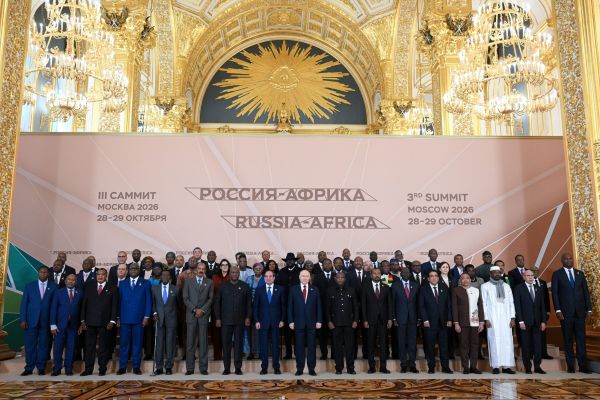
The discussions featured prominently at the third Russia-Africa Summit in Moscow, where President Vladimir Putin hosted delegations from 48 countries, including 22 African heads of state and government leaders, to explore deeper economic and strategic cooperation.
The proposed floating nuclear plants could offer Tanzania another option for diversifying its energy sources, strengthening electricity security and meeting the power requirements of an expanding economy. However, the talks are at an advanced negotiation stage and do not yet constitute a confirmed construction or supply agreement.
Africa’s persistent electricity deficit has made nuclear energy an increasingly attractive option for governments seeking reliable, large-scale power to support industrialisation, infrastructure development and economic transformation. For Tanzania, which is pursuing ambitious development and industrialisation objectives under Dira 2050, the availability of dependable electricity will be critical to sustaining long-term growth.
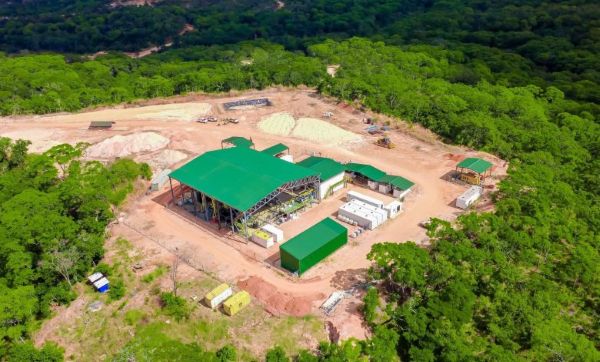
Tanzania has substantial uranium resources, with deposits and exploration prospects spread across several regions, particularly in the south and central parts of the country. The most significant concentration is at Mkuju River in Namtumbo District, Ruvuma Region, where the Nyota deposit represents the country’s largest identified uranium resource and is the focus of a major development project involving Rosatom.
The Mkuju River Uranium Project, which was inaugurated by President Dr Samia Suluhu Hassan in July 2025, is located in Namtumbo District, Ruvuma Region. The venture is expected to make Tanzania one of the largest producers of uranium in the world, with an estimated contribution of about four percent of the world’s uranium production once it reaches the production stage.
According to the OECD Nuclear Energy Agency and International Atomic Energy Agency’s Uranium 2024 report, Tanzania had about 72,151 tonnes of identified in-situ uranium resources, based on estimates as of January 1, 2023.
Russia is positioning itself as a major partner in this emerging market, combining nuclear technology, state-backed financing and long-term cooperation arrangements. Such partnerships could extend over several decades, creating opportunities for Moscow to deepen its economic and geopolitical influence across Africa.
According to Todd Moss, executive director of the US-based Energy for Growth Hub, Russia has an advantage over other nuclear suppliers in developing next-generation reactors and providing government-backed financing.
Russia reportedly has about US$200 billion in nuclear project orders worldwide, compared with US$7.7 billion for the United States, according to figures cited by former US deputy energy secretary Daniel Poneman in July.
The Moscow summit also produced nuclear cooperation announcements involving other African countries. Rwanda agreed with Rosatom to assess and develop its nuclear infrastructure, building on an eight-year partnership that includes plans for small modular reactors and a research centre. The country had also signed a civil nuclear cooperation agreement with the United States in May.
Ghana, meanwhile, announced discussions with Rosatom over the construction of its first nuclear power plant.
The latest developments underline growing international competition to supply Africa’s future energy infrastructure, with Russia, China and Western countries seeking to establish partnerships in the continent’s emerging nuclear power market. For Tanzania, the Rosatom discussions could mark an important step in exploring alternative energy technologies. The key question will be whether the proposed arrangement can translate into a commercially viable, technically sound and financially sustainable source of electricity that supports the country’s long-term development ambitions.