

By Business Insider Reporter
Tanzania Breweries Plc (TBL) and the Vocational Education and Training Authority (VETA) have partnered to train 300 young Tanzanians in practical agricultural skills.
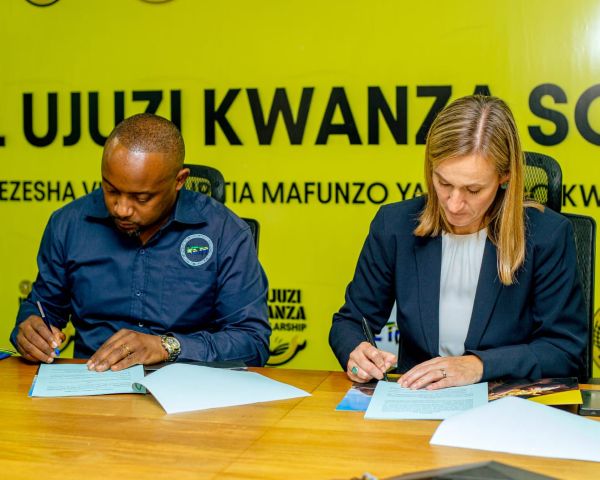
The three-year initiative, formalised through a Memorandum of Understanding signed in Dar es Salaam on October 28, 2026, targets improved employability, entrepreneurship and productivity across the agricultural value chain.
A presser on the partnership said the strategic collaboration will provide scholarships to young people from low-income households through the Ujuzi-Kwanza Scholarship Programme.
Under the arrangement, TBL will finance training fees, while VETA will provide accredited vocational training, technical expertise and nationally recognised qualifications. Participants will acquire skills in agricultural production, equipment maintenance, agro-mechanics and related technical fields, with opportunities for practical experience in agricultural operations and services.
Speaking at the signing ceremony, VETA Director General CPA Anthony Kasore said the initiative would help address the growing need for skilled workers as the country’s agricultural sector modernises.
He said collaboration between training institutions and industry was essential to ensuring that vocational education responds to actual labour-market requirements and equips young people with skills they can use to secure employment or establish their own enterprises.
TBL Managing Director Michelle Kilpin said the programme reflected the company’s interest in strengthening the agricultural supply chains on which its brewing operations depend.
“Most of what we brew begins on Tanzanian farms. Our business grows alongside the farmers who supply us, and their success depends on access to the right skills, technology and services,” Ms Kilpin said.
“By investing in young people with practical agricultural skills, we are creating opportunities for employment and entrepreneurship while strengthening the value chains that sustain livelihoods and support our business,” she added.
said Michelle Kilpin, Managing Director of TBL.
Agriculture remains a major contributor to Tanzania’s economy, accounting for 26.3 percent of national output, according to the Economic Survey 2024, and employing more than half of the working population, according to the National Bureau of Statistics.
However, modernising the sector requires more than agricultural production skills. Competencies in mechanisation, irrigation, equipment maintenance and post-harvest management are increasingly important as farming operations and related businesses seek to improve efficiency and productivity.
The programme also comes amid pressure to create opportunities for young people entering the labour market. The Parliamentary Budget Committee estimates that more than 800,000 young Tanzanians enter the labour market annually, making skills development and enterprise creation important components of the employment agenda.
VETA’s latest tracer study found that 75 per cent of its graduates were employed or self-employed, with self-employment accounting for a greater share than formal paid employment. The findings highlight the potential role of vocational training in supporting both wage employment and entrepreneurship.
The scholarship programme builds on TBL’s longstanding engagement with local agricultural producers. The company buys barley and sorghum from more than 2,500 smallholder farmers in Arusha, Kilimanjaro, Manyara and Dodoma, providing support that includes seeds, financing, agricultural training and market access.
Its Kilimanjaro Malting Plant in Moshi completed its first full year of operations in 2025 using locally grown barley, reinforcing the importance of domestic agricultural supply chains to its operations.
For VETA, the partnership comes as the authority expands access to vocational education. CPA Kasore said enrolment had increased from 69,347 students in 2022/23 to 116,468 in 2025/26, with 65 new colleges expected to open in January 2027.
He said VETA and TBL would track graduates’ progress to assess the programme’s impact, including whether participants translate their training into employment, entrepreneurship and sustainable livelihoods.

The initiative aligns with Tanzania Development Vision 2050’s ambitions for a skilled workforce, agricultural transformation and inclusive economic growth. It also supports Agenda 10/30, which targets annual agricultural growth of 10 per cent by 2030, and the Building a Better Tomorrow programme, which promotes youth participation in agribusiness.
The programme’s longer-term contribution will depend on how effectively participants apply their skills, access employment or business opportunities, and meet the technical needs of farmers and agricultural enterprises. Ms Kilpin said success would be measured not only by the number of young people trained but also by their subsequent achievements in careers, enterprise development and livelihoods.