By Correspondent Peter Haule, Dodoma
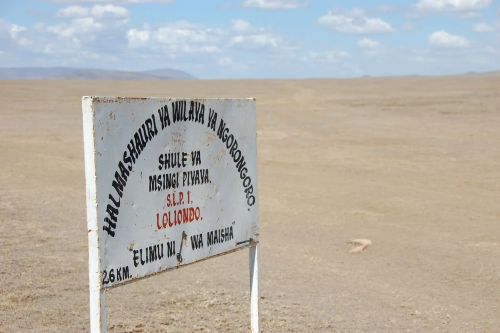
The Government is considering establishing a customs post along the border areas of Loliondo and Sale divisions in Ngorongoro District, Arusha Region, in a move that could ease cross-border trade and strengthen revenue collection.
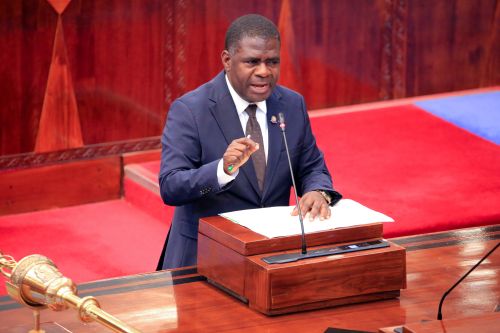
Deputy Minister for Finance, Eng. Mshamu Ali Munde, told Parliament in Dodoma that the Government would assess the need for a customs facility in the two areas before making a final decision.
The assessment will determine whether the locations meet the criteria required for establishing customs stations, he said, responding to a question from Ngorongoro MP Yannick Ndoinyo, who sought clarification on the Government’s plans to establish one or more customs posts in the border areas.
According to Munde, the Government considers several factors when determining whether a customs station should be established, including the strategic importance of the border, the population living in the area and the volume of goods handled.
“The Government has established specific criteria that must be considered before customs stations are established at border points, in order to minimise operating costs and ensure the efficiency of the stations,” Munde said.
The proposed customs infrastructure could have implications beyond revenue collection, particularly for businesses and communities engaged in cross-border trade.
Munde said the Government recognises the importance of bringing customs services closer to border communities, including those in Loliondo and Sale, because such services can facilitate trade, improve the efficiency of revenue collection and strengthen oversight of cross-border commercial activities.
The Government, through the Tanzania Revenue Authority (TRA), will work with other institutions responsible for border management to assess the requirements for establishing a customs station in the areas, he said.
The decision will ultimately depend on the findings of the assessment.
“If the assessment establishes the need to establish such stations, the Government will include the project in its plans and budgets in accordance with national priorities,” Munde said.
Balancing trade and enforcement
The proposed facility also highlights the wider challenge facing Tanzania’s border economy: how to make legitimate trade easier while tightening controls against illicit commerce.
For businesses operating far from existing customs infrastructure, access to formal customs services can affect the cost, speed and predictability of cross-border transactions. Bringing services closer to trading communities could therefore help shift more transactions into the formal economy.
At the same time, the Government sees stronger customs presence as an important tool for tackling smuggling and improving control over goods entering and leaving the country.
Munde said the Government would continue working to ensure customs services are more accessible to citizens and businesses, while strengthening measures to combat smuggling.
For Loliondo and Sale, the next step is therefore the assessment. If the areas satisfy the Government’s criteria, the proposed customs infrastructure could become part of Tanzania’s broader effort to improve border management while supporting legitimate cross-border commerce. The outcome will also determine whether the two border areas can attract the investment required to establish and operate the proposed customs services efficiently.