By Correspondent Benny Mwaipaja, Addis Ababa
Tanzania plans to have every household enrolled in the Universal Health Insurance scheme by the 2028/29 financial year, as the Government moves to strengthen social protection, invest in human capital and create a healthier workforce to support long-term economic transformation.
Finance Minister Ambassador Khamis Mussa Omar said the Government was working to rapidly expand enrolment in the scheme, with current coverage standing at about 10 per cent of households.
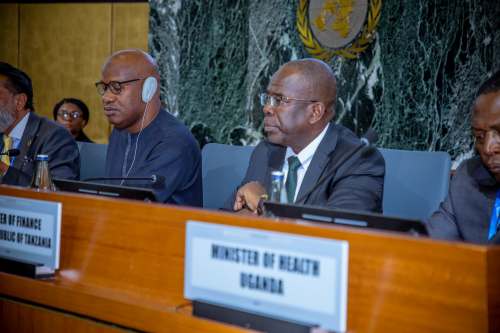
Speaking in Addis Ababa, Ethiopia, where he participated in a ministerial panel on Sustainable Health Financing: Financing Africa’s health future in an era of fiscal constraints and health self-reliance, Ambassador Omar said the Government was determined to ensure that health insurance became accessible to all Tanzanians.
He said poor and vulnerable households would be supported by the Government to enable them to access health insurance and essential medical services.
The minister said sustainable health financing would require Tanzania to mobilise resources from multiple sources, including stronger economic growth, improved domestic revenue collection, health-related taxes on harmful products, better public expenditure management, universal health insurance, private-sector investment and innovative financing mechanisms.
“Health financing must remain a national priority,” he said, while highlighting the Government’s continued efforts to expand the Health Equity Fund to improve access to healthcare for poor and vulnerable groups.
Private sector urged to invest
Deputy Health Minister Dr. Florence Samizi said Tanzania had made significant progress in the health sector through increased budgetary allocations and improvements in healthcare infrastructure.
She said health self-reliance should go beyond financing medical services to include the domestic production of medicines, diagnostic equipment and essential health technologies.
Dr Samizi urged the private sector to seize investment opportunities in pharmaceutical manufacturing, diagnostic services, specialist healthcare, medical technologies and digital health systems.
“Health self-reliance means having the capacity to finance healthcare and produce medicines and critical technologies closer to the people,” she said.
The push for greater private investment comes as African countries seek to reduce their dependence on imported medicines and medical technologies, while also strengthening the resilience of their healthcare systems.
Africa faces health financing squeeze
WHO Africa Regional Director-General Professor Mohamed Janabi said health remained fundamental to economic and social development and urged African countries to prioritise three areas: building pharmaceutical and vaccine manufacturing capacity, strengthening primary healthcare and implementing universal health coverage.
Professor Janabi said Africa currently imported about 80 percent of the medicines it needed, exposing countries to external supply shocks and currency pressures.
He also pointed to the heavy burden of out-of-pocket healthcare payments on households in some African countries, saying greater investment was needed in domestic pharmaceutical production and health infrastructure.
He called on the private sector to invest in medicine and vaccine manufacturing as well as other infrastructure required to strengthen human capital across the continent.
Financing UHC amid tighter budgets
The Addis Ababa ministerial dialogue brought together Finance and Health ministers, development partners and regional leaders to examine the financial pressures threatening progress towards Universal Health Coverage (UHC).
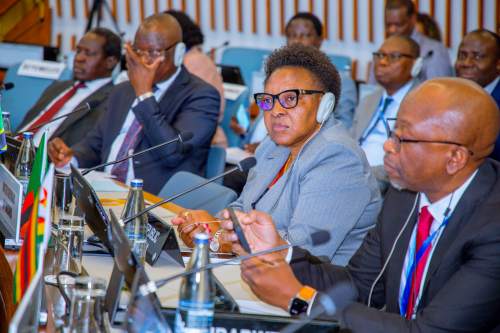
African governments are facing a difficult financing environment marked by declining external assistance, constrained public budgets and rising debt burdens.
For Tanzania, the Government’s push for universal health insurance is therefore being framed not only as a social protection measure, but also as an investment in the country’s economic future.
A healthier population can reduce the financial burden of illness on households, improve workforce productivity and strengthen the country’s ability to achieve its broader development ambitions. The meeting was also attended by Rished Bade, Acting Deputy Permanent Secretary and Commissioner for External Finance at the Ministry of Finance, alongside senior officials from the Ministry of Health.