
By Correspondent Benny Mwaipaja
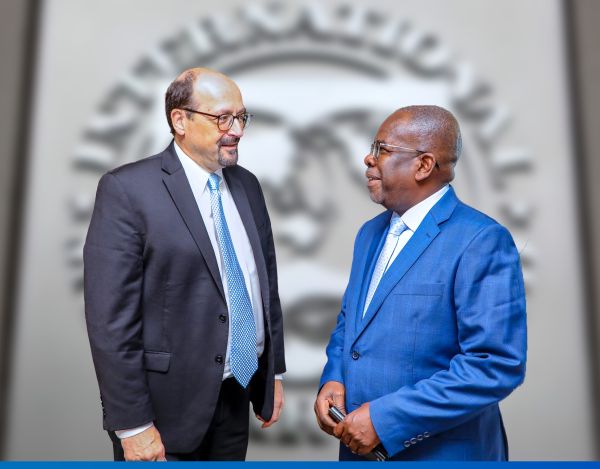
Tanzania has received a fresh vote of confidence from the International Monetary Fund (IMF) after the global lender approved the immediate disbursement of approximately US$443.9 million, providing additional support for the country’s economic reforms, climate resilience agenda and long-term development ambitions.
The funding follows the successful completion of the sixth and seventh reviews under the Extended Credit Facility (ECF) programme and the third and fourth reviews under the Resilience and Sustainability Facility (RSF). The package comprises about US$158.75 million under the ECF and US$298.37 million under the RSF.
Beyond the financial injection itself, the IMF’s decision sends a powerful signal to investors, development partners and international financial markets that Tanzania’s macroeconomic management remains on a stable course despite an increasingly uncertain global economic environment.
Stronger endorsement
For Tanzania, the significance of the IMF approval extends well beyond the nearly half-a-billion dollars entering government coffers.
The completion of IMF programme reviews effectively serves as an international endorsement of the country’s economic policies. Such approvals often improve investor confidence, strengthen access to concessional financing and reassure development partners that fiscal and monetary reforms remain on track.
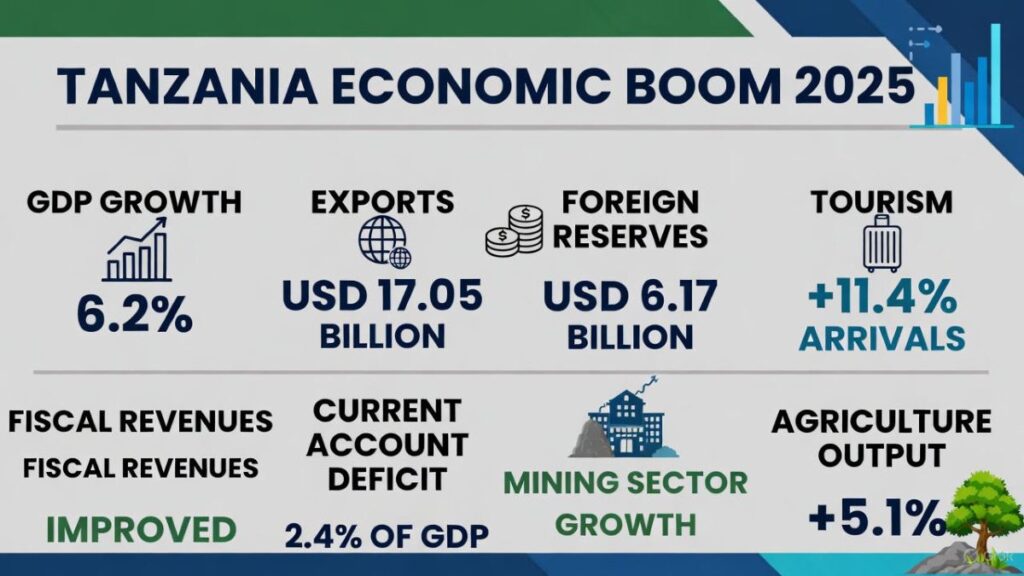
According to the IMF, Tanzania’s economy has continued to demonstrate resilience, with GDP growth reaching 5.9 percent in 2025 and projected to rise to around 6.2 percent over the medium term.
Growth is expected to continue being driven by the country’s key productive sectors, including mining, agriculture and tourism—industries that have increasingly become pillars of Tanzania’s economic expansion.
The IMF also noted that inflation has remained well contained, standing at 4.0 percent in June 2026, reflecting continued macroeconomic stability despite global inflationary pressures.
Climate finance takes centre stage
A notable feature of the latest approval is that the larger share of the funding comes through the Resilience and Sustainability Facility, underscoring the growing importance of climate finance in Tanzania’s development agenda.

The RSF supports investments and policy reforms aimed at strengthening countries against climate-related shocks, including floods, droughts and other extreme weather events.
For Tanzania, whose economy remains heavily dependent on agriculture, climate resilience has become an economic necessity rather than simply an environmental objective.
Additional climate financing could help strengthen investments in water infrastructure, sustainable agriculture, renewable energy and disaster preparedness – areas increasingly viewed as essential for protecting long-term economic growth.
Progress acknowledged – but reforms must continue
While praising Tanzania’s economic performance, the IMF indicated that implementation of the reform programme had been broadly satisfactory rather than flawless.
Most programme targets were achieved on schedule, although reforms in several areas—including the energy sector, VAT administration, governance at the Bank of Tanzania and public investment management—experienced delays or fell short of expectations.
The IMF’s Deputy Managing Director and Acting Chair, Bo Li, said Tanzania had successfully preserved macroeconomic stability despite domestic and external economic shocks.
However, he stressed that further progress would be needed in strengthening domestic revenue mobilisation, improving public financial management and expanding investment in priority sectors such as education and healthcare.
The IMF also encouraged Tanzania to accelerate reforms aimed at improving the business environment, strengthening private sector participation and enhancing the country’s resilience to climate change.
Global risks remain
Despite the positive assessment, the IMF warned that global uncertainties continue to pose significant risks.
Escalating tensions in the Middle East, particularly their impact on international oil prices, could increase inflationary pressures while weakening economic growth across developing economies, including Tanzania.
Higher fuel costs would raise transport and production expenses, potentially affecting businesses, household purchasing power and government expenditure.
The Fund also noted that Tanzania continues to face longer-term structural challenges, including reducing poverty, achieving the Sustainable Development Goals and creating sufficient employment opportunities for a population projected to double by 2050.
Renewed confidence
Finance Minister Ambassador Khamis Mussa Omar welcomed the IMF’s decision, describing it as recognition of the significant economic and social reforms undertaken by the government.
He said the continued support from the IMF reflects growing international confidence in Tanzania’s reform agenda and its commitment to maintaining economic stability while pursuing inclusive development.
A mutual partnership
Tanzania has maintained a long-standing relationship with the IMF since joining the institution on September 10, 1962.
Over that period, the IMF’s cumulative lending commitments and financial support to Tanzania have reached approximately US$4.578 billion. Of that amount, the country’s current active portfolio stands at around US$2.52 billion.
What this means for Tanzania
For businesses, investors and policymakers, the latest IMF approval carries implications that extend well beyond immediate financing.
It strengthens Tanzania’s international economic credibility at a time when governments are competing for investment capital. It also provides additional fiscal space to sustain reforms while financing critical investments in climate resilience and social development.
Perhaps most importantly, the decision reinforces the narrative that Tanzania’s economy continues to enjoy international confidence. Maintaining that confidence, however, will depend on the government’s ability to accelerate pending reforms, improve the investment climate and ensure that economic growth translates into broader job creation and poverty reduction. As Tanzania pursues its ambitions under Dira 2050, the IMF’s latest endorsement offers both an opportunity and a reminder: international confidence has been earned, but sustaining it will require consistent reform, prudent economic management and stronger private-sector-led growth.