
By Business Insider Correspondents
Tanzania’s TSh62.33 trillion national budget for the 2026/27 financial year is expected to accelerate economic transformation by expanding infrastructure, strengthening social services and creating a more attractive environment for private investment, according to the Ministry of Finance.
The ministry says the implementation of the country’s largest-ever budget, which officially begins on 1 July 2026, will translate fiscal policy into tangible benefits for citizens through improved healthcare, better education, modern transport infrastructure and increased employment opportunities. The budget is also expected to stimulate agricultural productivity, boost industrialisation and strengthen domestic revenue mobilization – key pillars of Tanzania’s long-term development agenda under Development Vision 2050.
Speaking to visitors at the Ministry of Finance pavilion during the ongoing 49th Dar es Salaam International Trade Fair (Sabasaba), Senior Economist Consolata Komba said the budget should be viewed not merely as a government spending plan, but as a national roadmap for inclusive economic development.
“The 2026/27 budget, amounting to TSh62.33 trillion, provides a solid framework for enhancing agricultural productivity, expanding strategic infrastructure and creating an enabling investment environment that will generate more employment opportunities, particularly for young people,” Komba said.
She noted that achieving the budget’s objectives would require active participation from citizens and the private sector through productive economic activities, voluntary tax compliance and greater utilisation of investment opportunities created by the government.
“The success of the budget depends on collective participation. Every citizen has a role to play by engaging in productive activities, paying taxes honestly and taking advantage of the opportunities available for national prosperity,” she added.
The budget, recently approved by Parliament, places significant emphasis on accelerating growth in productive sectors including agriculture, livestock and fisheries, while increasing investment in strategic infrastructure such as roads, railways, ports and energy projects. At the same time, substantial resources have been allocated to strengthen public services in health and education, improve digital government systems and expand social protection programmes for vulnerable groups.
According to Komba, the Government also intends to continue promoting industrial development and private investment by improving the business environment and enhancing the use of digital technologies to deliver public services more efficiently.
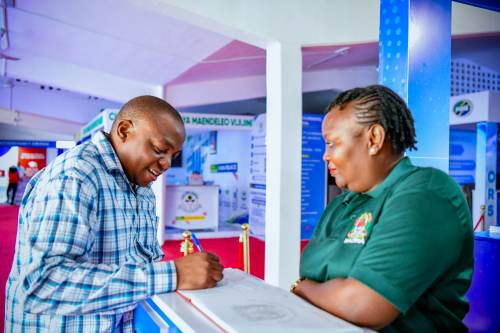
“The budget is designed to strengthen industrial development, improve investment conditions, expand digital government services, increase domestic revenue collection and continue protecting vulnerable groups from economic shocks,” she explained.
The implementation of the budget comes at a time when Tanzania is seeking to sustain robust economic growth while gradually reducing reliance on external financing. Recent fiscal reforms have focused on broadening the tax base, improving expenditure efficiency and directing more public resources towards productive investments capable of generating long-term economic returns.
Economists note that the effectiveness of the 2026/27 budget will ultimately be measured not only by expenditure levels but also by the quality of implementation. Efficient execution of development projects, prudent public financial management and stronger collaboration between government and the private sector will be critical to translating budget allocations into higher productivity, employment creation and improved living standards. The Ministry of Finance reaffirmed that its Budget Department will continue coordinating budget preparation, implementation and monitoring to ensure public resources are utilised efficiently and contribute directly to Tanzania’s national development priorities.