By Business Insider Correspondent, Nairobi
Kenya has widened its clean cooking education programme to reach more community groups, signalling a renewed push to accelerate the country’s transition to cleaner household energy while unlocking economic, environmental and public health benefits.
The expansion reflects growing recognition that achieving universal access to clean cooking requires more than technology alone. It demands greater public awareness, behavioural change and stronger community engagement to encourage households to adopt modern cooking solutions.
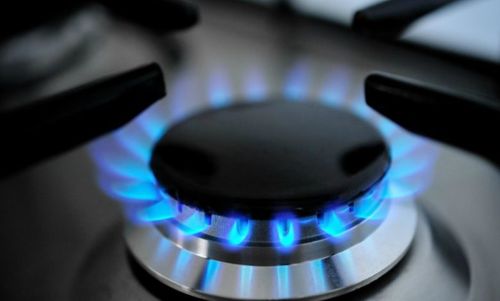
The programme, which previously targeted selected beneficiary groups, will now cover a broader cross-section of communities, exposing more households to cleaner alternatives such as liquefied petroleum gas (LPG), electric cooking, biogas systems and energy-efficient biomass stoves.
The move comes at a critical time for Kenya, where millions of households continue to rely on firewood and charcoal for daily cooking despite rapid progress in renewable electricity generation. Traditional cooking fuels remain one of the country’s largest drivers of deforestation and indoor air pollution, imposing heavy economic costs through environmental degradation, rising healthcare expenditure and lost productivity.
According to international health agencies, household air pollution from solid fuels remains among the leading environmental health risks in sub-Saharan Africa, disproportionately affecting women and children who spend the most time near cooking areas.
Cleaner cooking technologies significantly reduce exposure to harmful smoke while lowering fuel consumption and greenhouse gas emissions.
From a business perspective, the expansion represents another step towards developing Kenya’s emerging clean cooking economy. Demand for LPG cylinders, electric cooking appliances, biogas equipment and improved cookstoves is expected to grow as awareness increases, creating new opportunities for manufacturers, distributors, financiers and renewable energy companies.
The initiative also aligns with Kenya’s broader climate and energy agenda. The country has positioned itself as one of Africa’s leaders in renewable energy, with geothermal, wind and solar power accounting for a substantial share of electricity generation.
However, experts note that the clean energy transition cannot be considered complete while a large proportion of households still depend on biomass for cooking.
Beyond environmental benefits, expanding access to modern cooking solutions has significant socio-economic implications. Women spend countless hours collecting firewood in many rural communities, time that could otherwise be invested in education, entrepreneurship or other income-generating activities.
Cleaner cooking technologies also reduce household fuel costs over the long term and improve overall quality of life.

Industry analysts argue that awareness campaigns must be supported by market-based interventions to accelerate adoption.
These include affordable consumer financing, targeted subsidies for vulnerable households, stronger distribution networks and reliable supplies of clean cooking fuels, particularly in rural areas where access remains limited.
The initiative also complements regional efforts to expand energy access under the African Union’s climate agenda and the United Nations Sustainable Development Goals, particularly Goal 7, which calls for universal access to affordable, reliable, sustainable and modern energy.
As East African governments intensify investments in climate resilience and green growth, clean cooking is increasingly being viewed not only as a public health intervention but also as a catalyst for economic development. By broadening its education programme, Kenya is seeking to stimulate consumer demand, strengthen green energy markets and build a more sustainable household energy ecosystem capable of supporting long-term economic transformation.