
By Business Insider Reporter
Tanzania’s manufacturing sector could be on the cusp of a significant turnaround as the government signals potential tax reforms aimed at lowering the cost of doing business, following sustained pressure from industry players.
During high-level engagements between government officials and members of the Confederation of Tanzania Industries (CTI), authorities acknowledged that rising production costs – driven largely by taxation and input expenses – remain a major constraint to industrial competitiveness.
Speaking at a recent iftar in Dar es Salaam, the Deputy Minister for Finance, Laurent Luswetula said the government is actively reviewing proposals from manufacturers, many of which focus on reducing or eliminating specific taxes on industrial inputs and finished goods.
The proposed measures, expected to be reflected in the 2026/27 national budget, are aimed at easing financial pressure on manufacturers while enhancing the affordability of locally produced goods.
Analysts say such reforms could improve margins for domestic firms and enable them to compete more effectively against imports in both local and regional markets.
“Tax rationalisation is critical,” said one industry stakeholder familiar with the discussions. “Without addressing the cost structure, Tanzanian manufacturers will continue to struggle in an increasingly competitive East African market.”

However, taxation is only one part of a broader set of structural challenges facing the sector. Industry players have consistently pointed to bottlenecks including high energy costs, infrastructure inefficiencies, and regulatory complexities, all of which compound production expenses and limit scalability.
Deputy Minister for Industry and Trade Dennis Londo acknowledged these concerns, noting that the government is pursuing a multi-pronged strategy to strengthen the industrial base. This includes improving access to reliable energy, upgrading infrastructure, and streamlining regulatory frameworks to attract investment.
At the centre of these efforts is a renewed emphasis on public–private dialogue. The government has increasingly relied on feedback from industry associations such as CTI to shape fiscal and industrial policy.
Officials say more than 60 per cent of recommendations submitted by the private sector in the previous fiscal cycle were implemented – an indication of growing policy responsiveness.
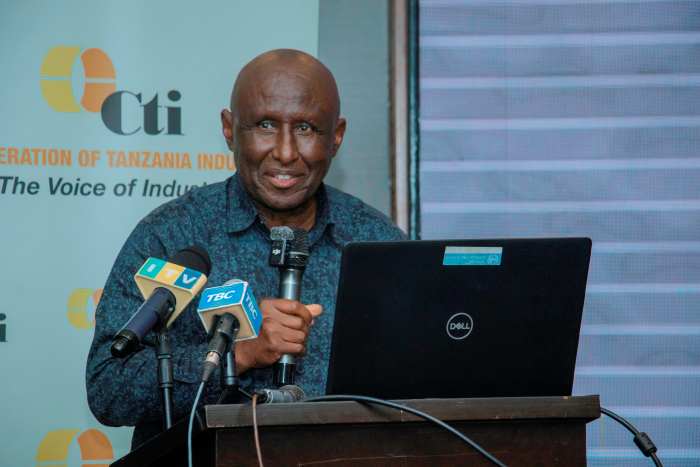
The CTI Chief Executive Officer, Leodgar Tenga, said continued engagement is essential to ensure that reforms translate into tangible outcomes for manufacturers.
“The focus is not only on reducing costs but also on building a resilient industrial ecosystem that supports job creation, value addition, and export competitiveness,” he noted.
The government’s broader industrialisation agenda, championed under President Samia Suluhu Hassan, positions manufacturing as a key driver of economic transformation. By addressing tax burdens while simultaneously improving the business environment and strengthening collaboration with the private sector, policymakers aim to unlock new growth in the sector. For manufacturers, the coming budget will be closely watched – not only for tax relief measures but also for signals on how quickly the government can translate commitments into action.