
By Business Insider Reporter
Tanzania is stepping up efforts to unlock its vast oil and gas potential as the government moves to revive exploration activity and position the country as a major energy hub in East Africa.
The push comes after the Permanent Secretary in the Ministry of Energy, James Mataragio, directed the Petroleum Upstream Regulatory Authority (PURA) to accelerate efforts to attract new investors into the country’s petroleum exploration sector.
The directive follows a decline in upstream activity, with the number of active Production Sharing Agreements (PSAs) dropping from 26 to just 11 over recent years – a trend officials say could slow efforts to fully develop Tanzania’s substantial hydrocarbon resources.
Untapped resource potential
Despite the slowdown in exploration, Tanzania remains one of Africa’s most promising emerging gas producers. The country is estimated to hold about 57 trillion cubic feet of natural gas reserves, most of which are located in offshore blocks in the Indian Ocean.
These reserves place Tanzania among the largest natural gas holders in sub-Saharan Africa, creating opportunities for industrialisation, electricity generation and export earnings.
Mataragio warned that declining exploration could undermine long-term supply if new discoveries are not made.
“Tanzania has significant petroleum potential, but we must continue exploring if we want to sustain production and meet the country’s growing energy demand,” he said.
New strategies to attract investors
In response, PURA has begun implementing new strategies aimed at strengthening geological data availability and improving the attractiveness of Tanzania’s exploration blocks.
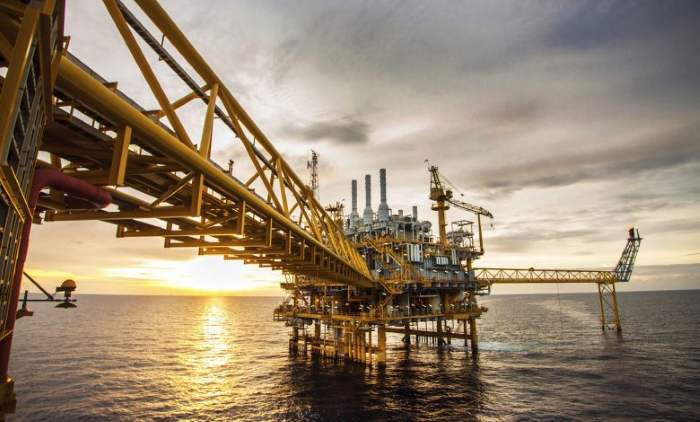
According to PURA Director General Charles Sangweni, the authority has partnered with international geophysical firms to collect and process new petroleum data covering both offshore and onshore basins.
The initiative will provide detailed geological information about Tanzania’s sedimentary basins, including the Ruvuma, Mandawa, Eyasi-Wembere and Lake Tanganyika basins, which remain underexplored.
“High-quality data is essential in reducing exploration risks for investors,” Sangweni said. “The more we understand our basins, the more competitive Tanzania becomes in the global exploration market.”
The government is also reviewing and restructuring existing Production Sharing Agreements to improve transparency and regulatory clarity for investors.
Major exploration opportunities ahead
As part of its strategy to reignite exploration activity, Tanzania is preparing for its fifth oil and gas licensing round, which is expected to offer 23 offshore blocks in the Indian Ocean and three blocks in Lake Tanganyika.
Officials say the new licensing round is designed to attract major international energy companies willing to undertake the high-risk and capital-intensive exploration work required in deepwater basins.
Exploration costs remain a major barrier. Drilling a single onshore well can cost up to US$20 million, while deepwater offshore wells can exceed US$175 million.
Because of these high costs, Tanzania continues to rely heavily on foreign investment and international expertise to develop its petroleum resources.
Expanding gas production
At the same time, the government is expanding production from existing gas fields to support the country’s growing energy demand.
The state-owned Tanzania Petroleum Development Corporation (TPDC) is currently overseeing several projects aimed at boosting natural gas supply.
According to TPDC Executive Director Mussa Makame, the corporation is drilling three new wells in the Mnazi Bay gas field in Mtwara Region, a project valued at around Sh235 billion.
The new wells are expected to increase production by about 45 million cubic feet of gas per day, helping stabilise supply for power plants and industrial consumers.
Another major development is the Ntorya gas field in the Ruvuma Basin, which is projected to add 60 million cubic feet of gas per day once fully operational.
LNG project could transform the sector
Perhaps the most transformative project in Tanzania’s gas sector is the planned US$42 billion liquefied natural gas (LNG) project, which aims to export offshore gas to global markets.
The project involves major international energy companies including Shell, Equinor and ExxonMobil.
If implemented, the project could produce around 10 million tonnes of LNG per year, positioning Tanzania among Africa’s leading LNG exporters by the early 2030s.
Officials say part of the gas produced will also support domestic industrialisation, with a portion earmarked for the local market.
Policy framework supporting investment
Tanzania’s oil and gas sector operates under a policy framework designed to attract investment while ensuring national benefit.
Key legislation includes the Petroleum Act 2015, the Natural Gas Policy 2013 and the Local Content Policy 2014.
These policies require international companies to partner with Tanzanian businesses and prioritise local employment.
Government officials say the local content strategy has already produced tangible benefits. Around 85 percent of jobs in the oil and gas sector are now held by Tanzanians, while 60 percent of goods and services are sourced locally.
Strategic role in Tanzania’s economy
Energy economists say that if fully developed, Tanzania’s oil and gas sector could play a transformative role in the country’s economy.
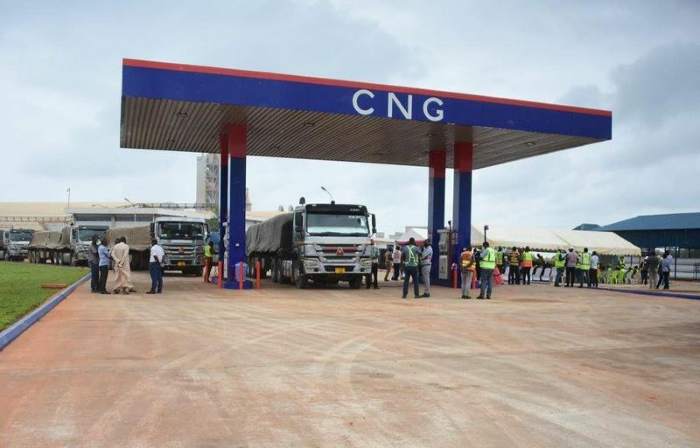
Natural gas is already used to generate electricity, power industries and supply compressed natural gas for transport in major cities such as Dar es Salaam.
With continued exploration and investment, analysts believe Tanzania could emerge as a key gas supplier for both regional and international markets. For now, the government’s priority is clear: revive exploration, unlock untapped reserves and turn Tanzania’s vast gas resources into long-term economic growth.