By Business Insider Reporter and Agencies
East African economies are bracing for renewed supply chain disruptions and rising fuel costs following the escalation of conflict in the Middle East, with regional policymakers warning of mounting pressure on import-dependent markets.
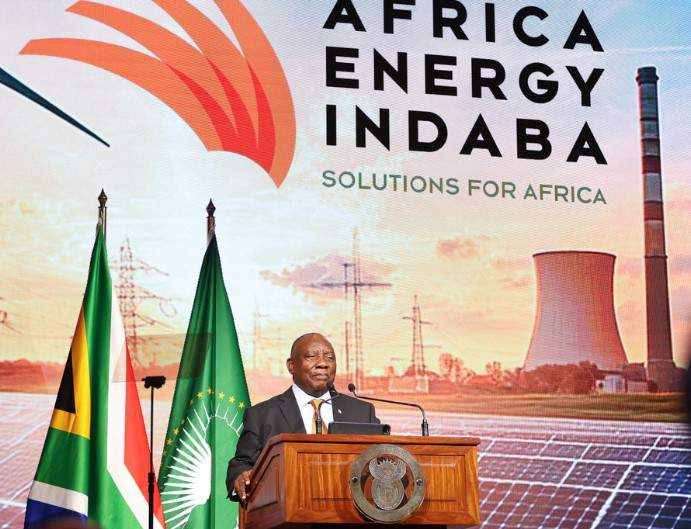
Speaking at the Africa Energy Indaba in Cape Town, South African President Cyril Ramaphosa (pictured below) cautioned that the intensifying hostilities were already straining supply chains across the continent and driving up energy prices – developments that carry significant implications for East Africa’s trade-driven economies.
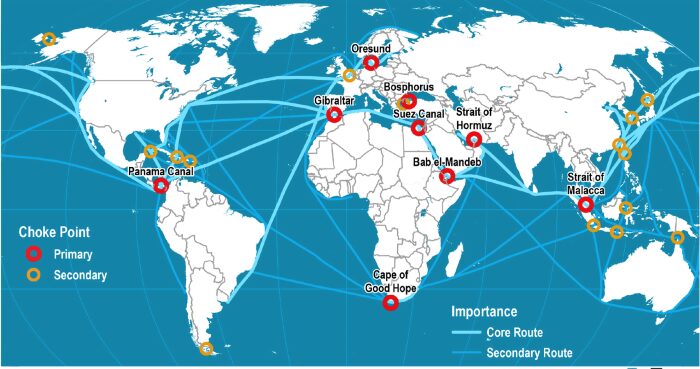
The conflict has triggered a surge in global oil and gas prices after Israeli and US strikes on Iran were followed by retaliation from Tehran, forcing temporary shutdowns of energy facilities and disrupting shipping routes through the Strait of Hormuz, one of the world’s most critical oil transit corridors.
For East Africa, the ripple effects are immediate.
Countries such as Kenya, Tanzania and Uganda rely heavily on imported petroleum products to power transport, manufacturing and electricity generation. Any sustained spike in global crude prices feeds directly into higher pump prices, freight costs and inflationary pressures.
Energy analysts note that East Africa’s logistics ecosystem – from the Port of Mombasa to the Port of Dar es Salaam – depends on predictable maritime trade flows.
Disruptions along major global shipping routes increase insurance premiums, lengthen delivery times and push up the cost of essential imports ranging from fuel and fertiliser to industrial inputs.
Ramaphosa drew parallels with earlier global shocks, including the Russia–Ukraine war and the COVID-19 pandemic, both of which exposed structural weaknesses in African supply systems. Those crises led to sharp increases in food, fertiliser and fuel prices across East Africa, straining public finances and household incomes.
The renewed volatility now raises concerns about:
- Rising transport and logistics costs for regional exporters
- Higher electricity generation expenses in thermal-reliant economies
- Increased inflation risks for urban consumers
- Pressure on foreign exchange reserves as energy import bills expand
For land-linked economies such as Uganda, Rwanda and Burundi, the impact could be amplified due to additional transit costs through coastal neighbours.
Regional trade experts argue that the situation underscores the urgency of accelerating energy diversification. Investment in renewable energy, regional power pools and domestic gas infrastructure could cushion East Africa against external shocks. The East African Crude Oil Pipeline (EACOP) project and expanding LNG developments along the Tanzanian coast are frequently cited as longer-term stabilisers, though they remain exposed to global market fluctuations.
Beyond energy, the broader concern lies in supply chain resilience. East Africa’s manufacturing and agro-processing sectors remain reliant on imported machinery, packaging materials and fuel. Disruptions in shipping corridors translate into production delays and higher operating costs, potentially weakening the competitiveness of exports to Europe, Asia and the Middle East.
While the full duration and scale of the Middle East conflict remain uncertain, policymakers across East Africa are closely monitoring global commodity markets.
Central banks may face renewed pressure to balance inflation control with growth support if energy-driven price increases intensify. As geopolitical tensions reshape global trade routes, East Africa’s vulnerability as a net energy importer once again comes into sharp focus – reinforcing calls for stronger regional integration, strategic fuel reserves and accelerated investment in alternative energy sources to shield economies from external shocks.