
By Business Insider Reporter, Dodoma
Members of Parliament have been urged to actively counter misinformation about the Union between Tanganyika and Zanzibar, as the government intensifies efforts to safeguard political stability while advancing an ambitious environmental reform agenda.
The call was made by the Minister of State in the Vice-President’s Office (Union and Environment), Engineer Hamad Yussuf Masauni (pictured above), during a seminar for MPs held at the Pius Msekwa Hall in Dodoma on February 11, 2026.
Protecting the Union’s Stability
Engineer Masauni appealed to legislators to challenge and correct misleading narratives about the Union, particularly those circulating at public gatherings and on social media platforms.
“The Union has delivered significant benefits to our nation,” he said. “It is now the responsibility of Members of Parliament to listen carefully to citizens’ concerns and present them constructively and responsibly.”
He stressed that MPs are a critical pillar in safeguarding and strengthening the Union, carrying what he described as a historic mandate to ensure it remains a source of peace, cohesion and national development.
For the business community, political stability under the Union framework remains a cornerstone of investor confidence. The Union provides a single market structure, harmonised macroeconomic policy direction and coordinated governance between the Mainland and Zanzibar – all factors that underpin trade, infrastructure planning and long-term capital investment.
Linking governance and environmental reform
Beyond constitutional and governance issues, the seminar placed strong emphasis on environmental sustainability – an area increasingly tied to Tanzania’s economic strategy.
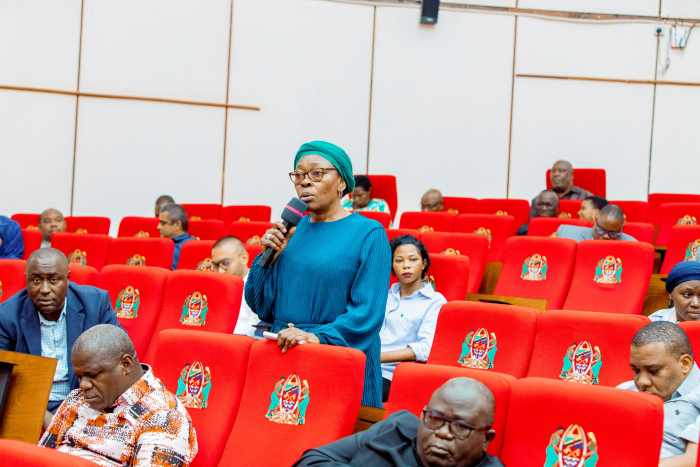
Engineer Masauni highlighted the forthcoming Tanzania Green Transformation Programme, prepared by the Vice-President’s Office in collaboration with development partners.
The initiative aims to deliver inclusive and participatory reforms designed to strengthen climate resilience and expand national green cover through large-scale tree planting.
The programme aligns with Tanzania’s Development Vision 2050, launched by President Dr. Samia Suluhu Hassan on 17 July 2025.
The Vision identifies environmental conservation and climate resilience as a dedicated strategic pillar, positioning Tanzania to become a continental leader in environmental management.
According to the Minister, the reform package to be presented to Parliament will prioritise wetlands conservation, clean cooking energy adoption, afforestation, carbon trading, waste management, environmental sanitation and control of invasive species.
Climate policy as economic strategy
For Tanzania’s business sector, these reforms signal a growing integration of environmental policy into economic planning.
Expansion of carbon trading mechanisms, for instance, could unlock new revenue streams, particularly in forestry and conservation projects.
Meanwhile, the promotion of clean cooking energy and improved waste management opens opportunities for investment in renewable energy, recycling and circular economy ventures.
Environmental governance is also increasingly linked to access to international climate finance and concessional funding – areas where compliance, transparency and regulatory clarity are critical.
By embedding climate resilience within Vision 2050, the government is signalling that sustainability is not peripheral but central to long-term growth and competitiveness.
Parliamentary Oversight and Implementation
Jackson Kiswaga, Chairperson of the Parliamentary Standing Committee on Water and Environment, said MPs had gained deeper understanding of environmental governance issues during the seminar.
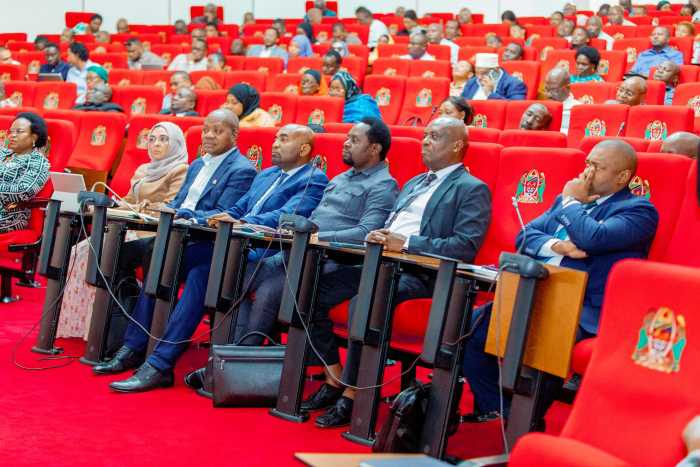
He pledged that legislators would serve as ambassadors in educating citizens about sustainable environmental conservation and responsible resource management.
The engagement reflects a broader strategy of aligning legislative oversight with policy implementation, particularly as Tanzania seeks to balance industrialisation, environmental protection and social stability.
Stability, sustainability and investment confidence
The twin focus on defending the Union and advancing green reforms highlights the government’s recognition that political cohesion and environmental sustainability are intertwined with economic performance.
For investors and businesses operating in Tanzania, policy continuity under the Union framework – combined with credible environmental governance – remains essential to long-term planning.
As climate-related risks intensify globally, countries that integrate stability with sustainability are likely to command stronger investor trust and competitive advantage. The seminar in Dodoma therefore underscored a broader message: safeguarding Tanzania’s political foundations and accelerating environmental reform are not separate agendas, but mutually reinforcing pillars of the country’s future economic trajectory.