
By Business Insider Reporter
The failure of high-stakes negotiations between the United States and Iran in Islamabad has sent a clear signal to global markets: geopolitical uncertainty in the Middle East is far from over.
For East African economies – deeply linked to global trade routes, energy markets and import supply chains – the implications are immediate and potentially far-reaching.
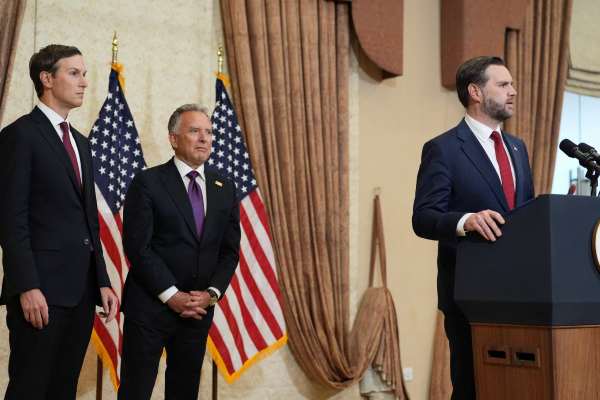
The talks, which marked the first direct engagement between Washington and Tehran in over a decade, ended without agreement after 21 hours of negotiations.
At the heart of the impasse were disagreements over Iran’s nuclear ambitions and control of the Strait of Hormuz, a strategic maritime corridor through which roughly 20 per cent of the world’s oil supply passes.
Energy costs and inflation pressures
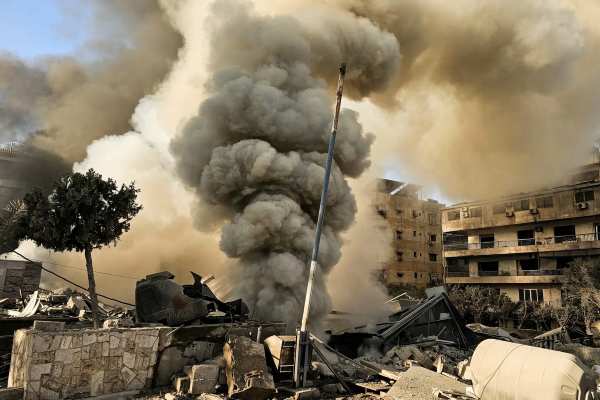
For businesses across East Africa, the most immediate impact is likely to be felt in energy prices. The ongoing tensions – and the continued disruption risks in the Strait of Hormuz – have already driven global oil prices upward.
Countries such as Tanzania, Kenya and Uganda are net importers of petroleum products. Rising oil prices translate directly into higher fuel costs, increasing the cost of transportation, logistics and production. For manufacturers, this squeezes margins. For consumers, it fuels inflation, eroding purchasing power and dampening demand.
Sectors heavily reliant on fuel – transport, aviation, agriculture and construction – are particularly exposed.
In Tanzania, for instance, higher fuel prices have already increased the cost of moving fertiliser and other goods inland, compounding existing distribution challenges and increasing cost of living.
Trade route vulnerability and shipping costs
The Strait of Hormuz is not only critical for oil but also for global shipping. Any prolonged disruption or security concerns in the corridor could lead to higher insurance premiums, longer shipping routes and delays in cargo delivery.
East African ports, including Dar es Salaam and Mombasa, depend on stable global shipping flows. Increased freight costs will inevitably be passed down the value chain, affecting importers of machinery, consumer goods and industrial inputs.
For export-oriented businesses, particularly in agriculture and minerals, higher logistics costs could reduce competitiveness in international markets.
Currency pressures and financial markets
Rising global energy prices and import bills typically place pressure on local currencies. A weakening Tanzanian shilling or Kenyan shilling would make imports even more expensive, creating a feedback loop of inflation.
At the same time, global investors tend to shift towards safer assets during periods of geopolitical uncertainty. This could reduce capital flows into emerging markets, including East Africa, tightening financing conditions for businesses and governments alike.
Strategic opportunity for diversification
While the risks are evident, the situation also reinforces a longer-term strategic imperative for East African economies: diversification.
The current crisis underscores the urgency of investing in alternative energy sources, including natural gas, renewables and regional power pools. Tanzania, with its significant gas reserves, could accelerate efforts to reduce reliance on imported fuel.
Similarly, the disruption highlights the importance of strengthening regional supply chains. The African Continental Free Trade Area (AfCFTA) and East African Community (EAC) frameworks offer an opportunity to reduce dependence on distant markets and build more resilient intra-African trade networks.
Logistics and infrastructure investments gain relevance
For logistics companies and infrastructure investors, the evolving global landscape may create new opportunities. Increased uncertainty in traditional shipping routes could drive demand for more efficient inland transport systems, including rail and dry ports.
Investments in projects such as the Standard Gauge Railway (SGR) in Tanzania and Kenya could become even more critical in reducing transport costs and improving trade efficiency within the region.
A cautious outlook for businesses
In the near term, businesses across East Africa will need to navigate a more volatile operating environment. Cost management, supply chain diversification and financial hedging will become increasingly important.
For policymakers, the situation presents a delicate balancing act: managing inflationary pressures while sustaining economic growth.
The breakdown of US–Iran talks may be unfolding thousands of kilometres away, but its ripple effects are already being felt in East Africa’s boardrooms, factories and markets. For a region on a strong growth trajectory, the challenge now is to build resilience in the face of global uncertainty – while positioning itself to seize opportunities that emerge from a shifting economic order.