
By Business Insider Reporter
Tanzania’s agriculture sector is set for a major boost following the launch of a US$2 million project under the Africa Fertilizer Financing Mechanism (AFFM) of the African Development Bank (AfDB).
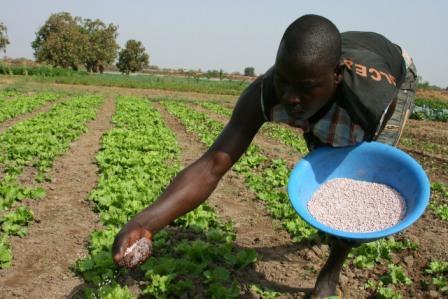
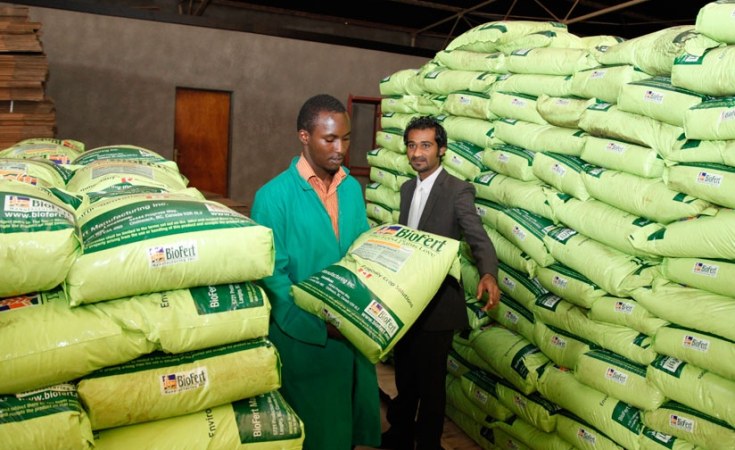
The initiative, implemented in partnership with the African Fertilizer and Agribusiness Partnership (AFAP), is designed to ease farmers’ access to fertilizers through a trade credit guarantee scheme that will enable suppliers to deliver 60,000 tons of fertilizers to smallholder farmers on credit.
For years, one of the biggest barriers to agricultural productivity in Tanzania has been limited access to quality fertilizers.
With banks allocating just 3 percent of commercial loans to the sector – mainly due to perceived risks and lack of collateral among farmers – many smallholders have struggled to afford critical inputs. This project directly tackles that financing bottleneck.
Unlocking farmer potential
The guarantee mechanism is expected to provide relief to suppliers and agro-dealers who often face capital constraints, enabling them to extend fertilizer access to farmers across regions such as the southern highlands and Lake Zone – both vital breadbaskets for the nation.
Dr. Stephen Nindi, Deputy Permanent Secretary for Food Security in the Ministry of Agriculture, said the initiative is well aligned with Tanzania’s national goals to improve productivity and food security.
“We will continue to provide the necessary institutional support, policy coordination, and stakeholder engagement to ensure that such transformative initiatives deliver a lasting impact for our farmers and the broader economy,” he noted.
Improving yields and food security
The project is poised to increase fertilizer application rates, which remain below regional and global averages in Tanzania.
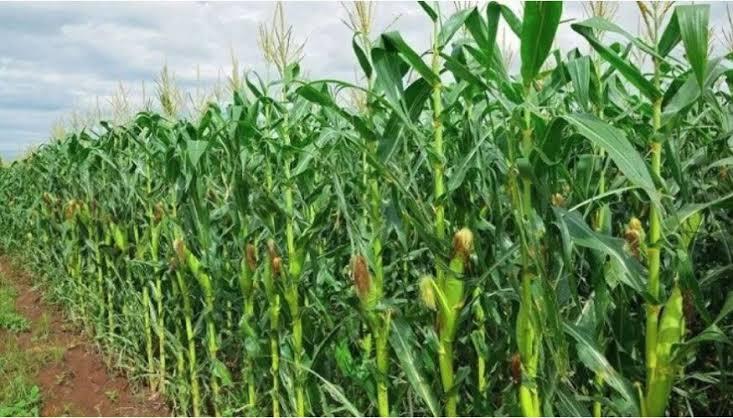
By ensuring a steady supply of quality and affordable fertilizers, the scheme is projected to significantly raise yields for staples such as maize, rice, and horticultural crops.
This could help reduce the country’s food import bill, strengthen household incomes, and improve nutrition.
Marie Claire Kalihangabo, AFFM Coordinator, highlighted the broader vision: “Over the next 36 months, we aim to collaborate with at least three major suppliers, support hub agro-dealers and retailers, and facilitate fertilizer access to thousands of smallholder farmers. This builds on the progress we made under our 2019–2022 credit guarantee project.”
Catalysing private sector investment
Beyond the immediate benefits to farmers, the initiative is also expected to stimulate private sector confidence in agricultural financing.
By reducing risk for both lenders and suppliers, the project could pave the way for more investment into input distribution, mechanisation, and other agri-value chains.
Joel Laurent, Executive Director of the Tanzania Fertilizer Regulatory Authority, described the move as a “turning point” for smallholder empowerment.
“This phase aims not only to reduce risks in the agricultural sector but also to stimulate private sector investment and, most importantly, empower smallholder farmers who are the backbone of food production in the country,” he said.
A timely intervention
As farmers prepare for the upcoming planting season, timely access to fertilizers will be critical in boosting productivity.
The African Fertilizer Agribusiness Partnership’s East Africa Regional Director, James Mutonyi, emphasised that the project will ensure farmers apply the right fertilizers for specific crops, soils, and climatic conditions, thereby enhancing efficiency and returns.
Broader impact
Ultimately, the US$2 million facility represents more than a financial injection – it is a catalyst for systemic change.
By unlocking input access, strengthening agro-dealer networks, and bridging financing gaps, the initiative promises to transform Tanzania’s agriculture from a subsistence-driven sector to one with stronger commercial orientation, contributing to the country’s food security and economic growth. The Africa Fertilizer Financing Mechanism, administered by the AfDB, continues to position itself as a key player in Africa’s quest for sustainable agricultural transformation by ensuring farmers have access to the right inputs at the right time.