By Business Insider Reporter
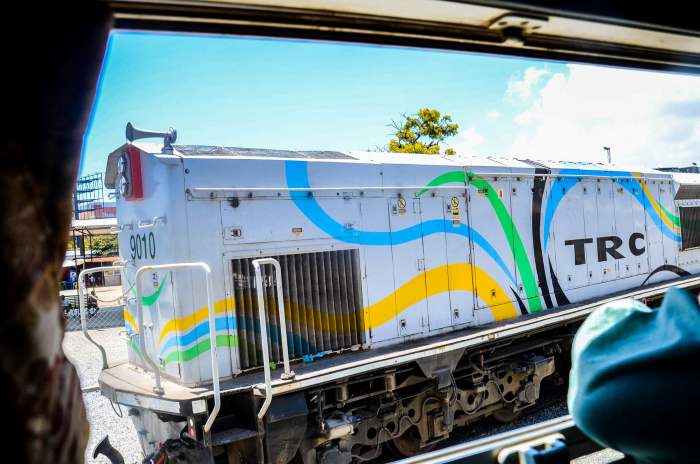
Tanzania Railways Corporation (TRC) has taken a significant step toward building domestic industrial capacity in the railway sector after beginning assembling Meter Gauge Railway (MGR) locomotives locally.
This move is viewed as an initiative that positions the country among the few in Africa undertaking such technical work.
The project, currently underway at the Pugu Railway Workshop in Dar es Salaam, marks the first time locomotives for the MGR network are being assembled within Tanzania. Officials say the initiative could reduce reliance on imports while strengthening local technical expertise in the rail industry.
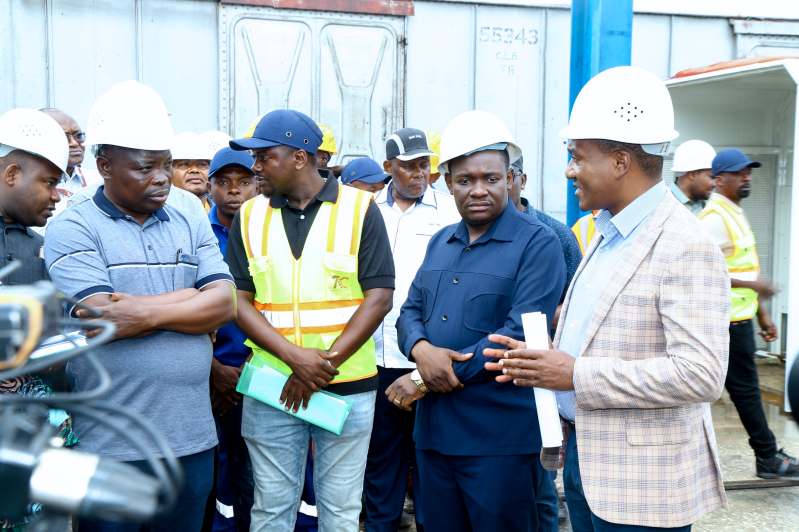
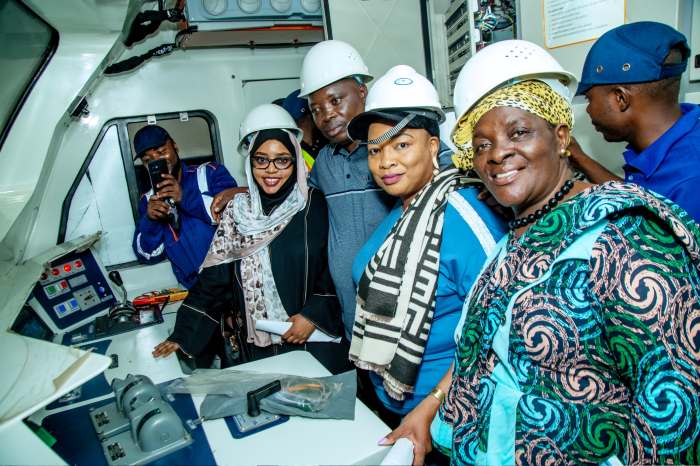
Members of the Parliamentary Standing Committee on Infrastructure praised the milestone during an inspection visit to the workshop on March 14.
Committee chairperson Selemani Kakoso described the project as a historic step for Tanzania and the broader East African region.
“This initiative demonstrates that Tanzania is capable of developing advanced technical skills within its railway sector,” Kakoso said during the visit. “If we continue investing in local expertise, the country can eventually undertake even more complex railway engineering work.”
Building local technical capacity
The committee urged TRC to continue strengthening the capabilities of young Tanzanian technicians working on the project through advanced training programmes both domestically and abroad.
According to Kakoso, investing in the professional development of local engineers and technicians will help improve innovation, efficiency and sustainability within the railway sector.
Such initiatives also support the government’s broader agenda to promote industrialisation and technology transfer through strategic infrastructure projects.
Supply chain disruptions prompted local solution
The decision to assemble locomotives locally was partly driven by global supply chain disruptions that delayed delivery of fully assembled locomotives and spare parts.
TRC officials said the delays were linked to logistical constraints affecting global manufacturing and shipping, including disruptions caused by the Russia–Ukraine War.
To address the situation, TRC adopted a hybrid procurement strategy. Two locomotives were imported fully assembled from Malaysia, while components for additional units were shipped separately for assembly in Tanzania.
The approach allowed the railway operator to maintain operational timelines while simultaneously launching a domestic assembly capability.
Cost savings and economic spillovers
Officials say the local assembly initiative has generated substantial cost savings compared with importing complete locomotives.
Beyond direct procurement savings, the project has also created employment opportunities for skilled Tanzanian youth and stimulated demand for locally supplied industrial materials.
TRC Director General, Machibya Shiwa, told the parliamentary committee that the MGR Class 91XX locomotive assembly project has already created jobs for 34 Tanzanian technicians who were previously unemployed.
He added that the project has opened new business opportunities for local suppliers providing industrial services and materials, including machining works, electrical components, lubricants, piping systems, construction materials and rubber products.
“These activities create linkages with domestic industries and contribute to building a local railway supply chain,” Shiwa said.
Rail revival underway
The locomotive assembly project comes as Tanzania pursues one of the most ambitious railway modernisation programmes in East Africa.
Deputy Minister for Transport David Kihenzile said the government is continuing to invest heavily in rail infrastructure and operational equipment to strengthen the country’s logistics network.
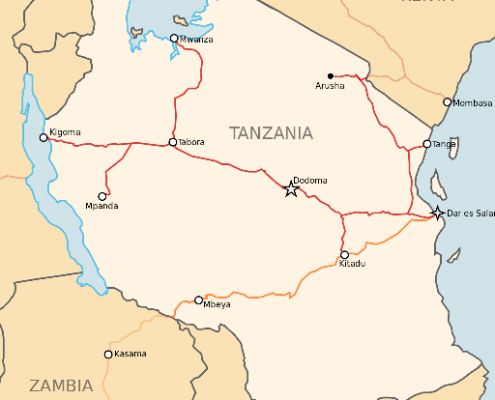
He noted that Tanzania is currently constructing more than 2,290 kilometres of the Standard Gauge Railway (SGR) under the leadership of President Samia Suluhu Hassan.
The SGR project – linking Dar es Salaam to central and western Tanzania and eventually neighbouring countries – is expected to transform freight transport across the region by reducing transport costs and improving trade connectivity.
At the same time, authorities are working to revitalise the country’s existing Meter Gauge Railway network, which continues to serve several domestic and regional routes.
Strategic importance for Tanzania’s logistics sector
Transport economists say strengthening the MGR system alongside the new SGR network will provide Tanzania with a dual railway structure capable of supporting both domestic transport and regional trade.
The country serves as a key gateway for landlocked neighbours including Zambia, Burundi and Rwanda, all of which rely on Tanzanian ports and transport corridors for international trade.
Improving railway operations therefore plays a crucial role in strengthening Tanzania’s position as a regional logistics hub.
A step toward rail industrialisation
Analysts say the local locomotive assembly project could mark the beginning of a broader effort to develop railway engineering capacity in Tanzania.
If expanded, similar initiatives could eventually support maintenance, refurbishment and partial manufacturing of railway equipment within the country – reducing foreign dependency while creating specialised industrial jobs.
For now, the Pugu workshop project represents a modest but symbolic step toward that goal. As Tanzania expands its railway network and modernises transport infrastructure, building domestic technical capacity is increasingly seen as essential to sustaining the country’s long-term transport ambitions.