By Business Insider Reporter
In the bustling heart of Dar es Salaam, where rapid urban growth continues to test the limits of infrastructure and natural resources, a simple clean-up exercise is telling a much bigger story about Tanzania’s future.
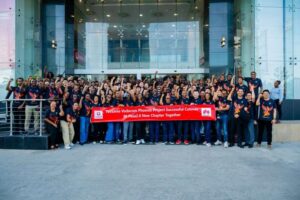
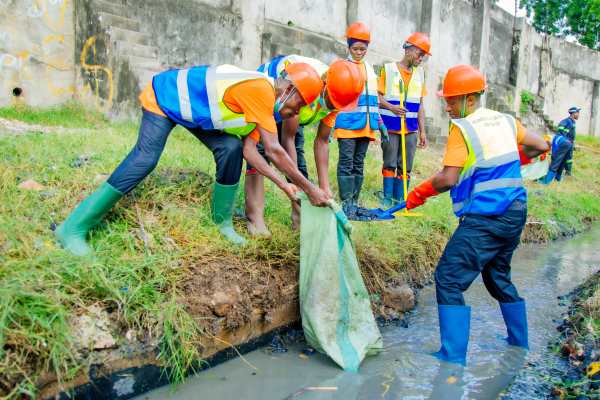
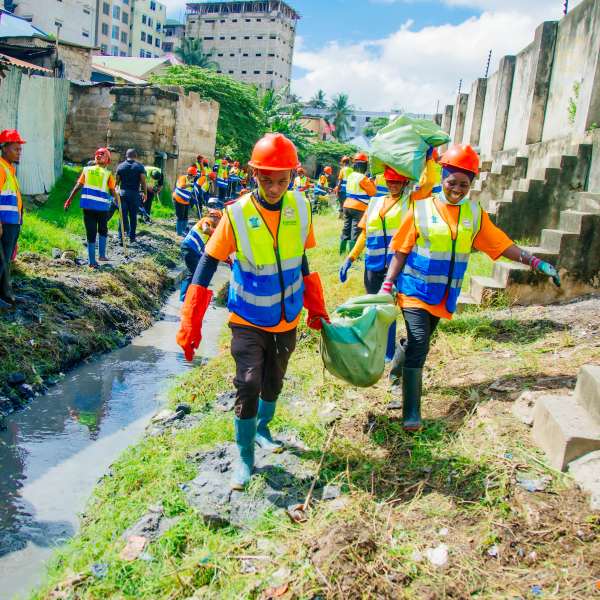
As the country marked this year’s World Water Day, Tanzania Breweries PLC stepped beyond statements and into action – bringing together more than 100 employees, city leaders, and community members to restore an effluent discharge channel in Ilala District.
On the surface, it was a local environmental activity. In reality, it reflected the kind of thinking that will define Tanzania’s long-term development vision under Dira 2050.
For residents living near the site, the exercise was more than symbolic. It meant cleaner surroundings, reduced health risks, and renewed attention to a water system often taken for granted.
For the city’s leadership, including Mayor Nurdin Bilal Juma, it reinforced a growing truth: that safeguarding water resources is inseparable from building a resilient and livable urban economy.
“Keeping our city clean and protecting our water systems is a shared responsibility,” the mayor noted during the exercise – underscoring a message that aligns closely with Dira 2050’s emphasis on collective action in tackling development challenges.
At the centre of the initiative was a powerful idea – water is not just a natural resource; it is an economic lifeline. From manufacturing floors to household taps, water connects productivity, public health, and environmental sustainability. That connection is especially clear for industries like brewing, where water is both a core ingredient and a shared community asset.
Speaking at the event, Neema Temba, Corporate Affairs Director of Tanzania Breweries Limited (TBL) framed it plainly: protecting water must go beyond compliance and become a long-term responsibility.
“Water is at the centre of our business and our communities. We have a responsibility to protect it, within our operations and in the environments where we operate. This initiative reflects how we work with partners to deliver practical solutions that support long term water security.
Her message resonates with a broader shift in how businesses are expected to operate in a future-focused economy – one where sustainability is embedded in strategy, not treated as an afterthought.
The Ilala clean-up also highlights a critical development lesson: partnerships deliver results. By working alongside local government and communities, TBL demonstrated how public-private collaboration can translate policy into visible impact.
This is a cornerstone of Dira 2050 – leveraging collective capacity to address systemic challenges like water security, sanitation, and climate resilience.
Beyond Dar es Salaam, the company’s wider efforts – such as supporting solar-powered water infrastructure in Kibaha in collaboration with World Wide Fund for Nature (WWF)- point to a longer-term investment in sustainable water access. These projects are not just about infrastructure; they are about enabling communities to thrive, supporting agriculture, and reducing vulnerability to water scarcity.
Equally significant is the focus on protecting key water sources such as the Msimbazi, Kizinga, and Ruvu river systems.
These are not just geographic features – they are lifelines for millions and critical to the city’s economic engine. Their preservation speaks directly to the kind of forward-looking resource management that Dira 2050 envisions.
What makes this story compelling is its human dimension. It is seen in employees trading office desks for gumboots, in local leaders working side by side with residents, and in communities reclaiming spaces that directly affect their health and dignity.
These moments bring to life a broader narrative: development is not only driven by policies and investments, but by everyday actions that protect shared resources.
As Tanzania charts its course toward 2050, the message from Ilala is clear. The future will not be built solely in boardrooms or through grand plans – it will also be shaped in drainage channels, riverbanks, and neighbourhoods where water flows. And in those places, the path to a sustainable, inclusive economy begins with something as fundamental – and as powerful – as clean water.