By Business Insider Reporter
Tanzania is set to strengthen its standing as a regional hub for climate science and meteorological innovation by hosting the Fourth World Meteorological Organization (WMO) International Workshop on Operational Climate Prediction (OCP-4) – the first time the flagship global forum will be staged in Africa.
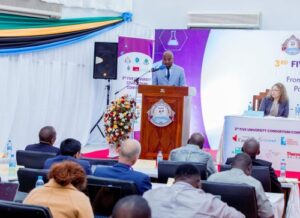
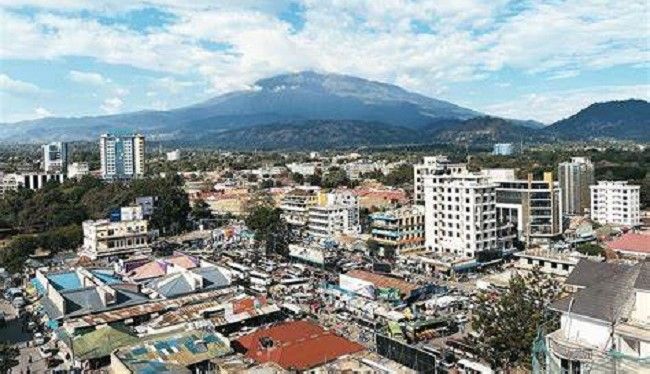
The four-day conference, to be held in Arusha from June 29 to July 2, is being organised jointly by the World Meteorological Organization (WMO) and the Tanzania Meteorological Authority (TMA). It will convene approximately 90 leading experts from national meteorological agencies, research institutions, universities and international organizations to discuss the future of operational climate prediction and climate services.
For Tanzania, hosting the workshop represents more than diplomatic recognition. It reflects growing international confidence in the country’s meteorological capabilities at a time when accurate climate information is becoming increasingly vital for economic planning, infrastructure investment, agriculture, energy production and disaster risk management.
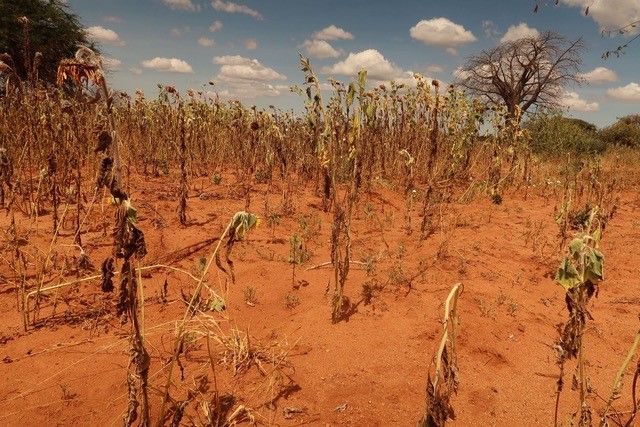
The workshop comes as African economies face mounting climate-related losses from prolonged droughts, floods, tropical cyclones and erratic rainfall, underscoring the need for more reliable climate intelligence to guide investment decisions and safeguard livelihoods.
“Tanzania’s selection to host OCP-4 demonstrates the country’s expanding technical expertise and institutional capacity in delivering climate services,” TMA said in a statement announcing the event.
Climate forecasts becoming economic tools
Unlike traditional weather forecasting, operational climate prediction focuses on forecasting seasonal and long-term climate patterns weeks or months in advance. Such information enables governments, businesses and communities to prepare for climate risks before they occur.
The discussions in Arusha will examine how scientific climate data can be transformed into practical decision-support tools that help governments allocate resources more efficiently, farmers plan cropping seasons, utilities manage water and electricity supplies, insurers assess climate risks and humanitarian agencies anticipate disasters.
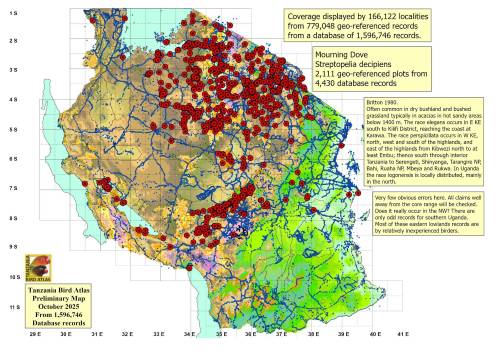
Participants will explore the entire climate prediction value chain – from data collection and modelling to translating forecasts into user-friendly products that support evidence-based decisions across climate-sensitive sectors.
The conference agenda also reflects the growing role of digital technologies in meteorology, with Artificial Intelligence (AI) and Machine Learning (ML) expected to feature prominently in discussions on improving forecasting accuracy, processing increasingly complex climate datasets and developing next-generation early warning systems.
Strategic importance for Africa
Africa contributes relatively little to global greenhouse gas emissions but remains among the regions most vulnerable to climate change. According to international climate assessments, the continent experiences disproportionately high economic losses from extreme weather due to limited forecasting infrastructure and inadequate early warning systems.
The WMO has repeatedly identified strengthening national meteorological and hydrological services as a critical investment for climate adaptation, disaster resilience and sustainable development.
Improved climate prediction has become particularly important as governments implement the United Nations’ Early Warnings for All initiative, which seeks to ensure every person on Earth is protected by effective early warning systems by 2027.
For Tanzania, better forecasting capabilities could deliver significant economic benefits. Agriculture, which employs the majority of the country’s workforce, remains heavily dependent on rainfall, while sectors including hydropower, tourism, aviation, transport and water management increasingly rely on accurate climate information to reduce operational risks.
Building on Tanzania’s scientific reputation
Hosting OCP-4 places Tanzania alongside previous hosts India (2015), Spain (2018) and Portugal (2022), making Arusha the first African city to stage the workshop since its inception.
The selection highlights Tanzania’s growing profile within global climate science networks and supports the country’s broader ambition to strengthen resilience against climate change through improved scientific research, technological innovation and international collaboration.
As climate uncertainty becomes an increasingly important factor in economic development, experts say investments in climate services are no longer viewed solely as scientific priorities but as strategic infrastructure that supports sustainable growth, food security and investment confidence. The Arusha meeting is therefore expected not only to advance the science of climate prediction but also to reinforce Africa’s voice in shaping the future of global climate services.