By A Correspondent, Armenia
Tanzania is seeking stronger cooperation with the Global Environment Facility (GEF) to expand funding for biodiversity conservation, improve project preparation and attract investment from government, development partners and the private sector.
The government wants technical discussions between the GEF, the Vice-President’s Office and relevant sector institutions to identify funding gaps, establish investment priorities and develop conservation projects that are eligible for financing and ready for implementation.
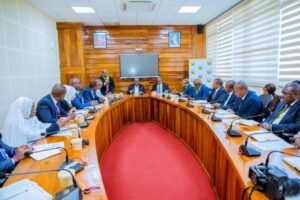
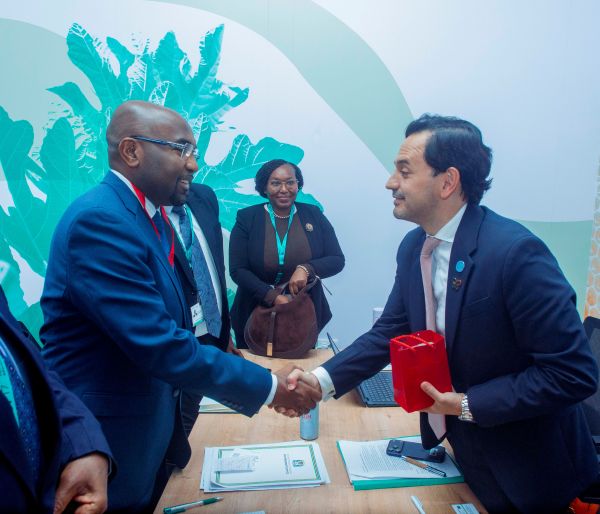
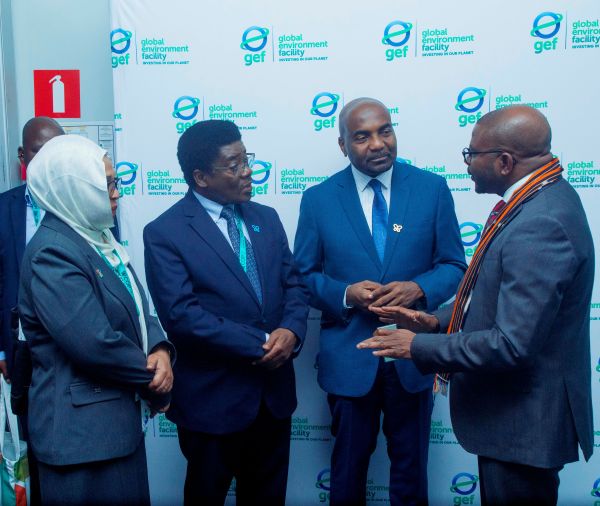
Minister of State in the Vice-President’s Office for Union and Environment, Engineer Hamad Yussuf Masauni, outlined the proposals during talks with GEF Chief Executive Officer and Chairperson Diego Mesa Puyo on the sidelines of the 17th Conference of the Parties to the Convention on Biological Diversity in Yerevan, Armenia, on October 28, 2026.
Masauni said Tanzania had asked the GEF to provide guidance on aligning proposed projects with its programme priorities, meeting eligibility requirements and following the procedures for project preparation and implementation.
The discussions reflect Tanzania’s effort to strengthen the pipeline of conservation projects capable of attracting international environmental finance. Access to funding depends not only on identifying conservation needs but also on developing proposals that meet funders’ technical, financial and institutional requirements.
Mobilising finance beyond government
Tanzania has also proposed joint strategies to mobilise funding from the government, development partners, conservation organisations and responsible private-sector businesses.
The aim is to broaden funding sources and improve the long-term financial sustainability of biodiversity and environmental projects.
The government has called for discussions on financing mechanisms such as conservation trust funds, payments for ecosystem services and investments that contribute to environmental protection.
These mechanisms could help diversify conservation funding beyond conventional government allocations and donor grants. However, their effectiveness would depend on appropriate design, credible oversight and safeguards to protect ecosystems and the interests of local communities.
Payments for ecosystem services, for example, can provide financial incentives for communities or land managers to protect forests, watersheds and other ecosystems that deliver benefits to society. Conservation trust funds can provide a structure for managing resources over longer periods, while conservation-linked private investment can potentially connect environmental protection with sustainable economic activity.
Tanzania has stressed that such approaches must incorporate appropriate environmental safeguards and protect community interests.
Building a pipeline of investment-ready projects
A further priority is strengthening the technical and institutional capacity of Tanzania’s National GEF Operational Focal Point Coordination Office.
Masauni said the country had asked the GEF to increase technical and institutional support to help the office prepare projects with a stronger prospect of securing funding and being implemented effectively.
The requested assistance would cover project preparation, baseline data collection, feasibility studies and the development of initial project documents suitable for investment consideration.
These preparatory stages are important because weak data, incomplete feasibility assessments and poorly developed project proposals can limit access to financing, even where conservation needs are significant.
Improving project preparation could therefore help Tanzania move from identifying environmental challenges to presenting fundable interventions with clearer objectives, costs and implementation arrangements.
The government also expects stronger coordination among public institutions and development partners to improve the identification, preparation and delivery of conservation projects.
Connecting conservation with economic development
For Tanzania, stronger cooperation with the GEF could help expand the resources available for protecting biodiversity while supporting more structured engagement with international funders and private investors.
The economic significance extends beyond environmental protection. Healthy ecosystems can support tourism, agriculture, water security and livelihoods, making conservation relevant to both public policy and long-term economic resilience.
However, the proposals outlined in Yerevan remain a call for closer cooperation and additional support. The statement did not specify new funding commitments from the GEF, the value of projects under consideration or a timetable for financing approvals.
The next step will be to translate the proposed technical discussions and financing strategies into well-prepared projects, backed by reliable data, clear institutional responsibilities and safeguards for affected communities. For businesses and investors, the emerging opportunity lies in conservation-related investments that can demonstrate both environmental benefits and credible implementation plans. For the government, the challenge will be to turn stronger institutional coordination and a broader financing base into measurable conservation outcomes.